2 weeks ago
Why disability support still evades those with blood disorders
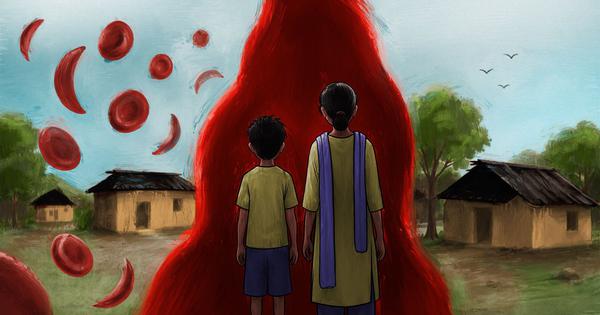
Some children are born with a sickness in their blood called sickle cell anemia or thalassemia.
It can cause a lot of pain, tiredness, and illness, and they often need medicine and blood transfusions.
In India, the government made a rule that says these children should get extra help and money.
But many poor families in the state of Jharkhand still do not get the help they need.
Sometimes doctors do not even tell families that their child is sick, so they cannot take care of them.
One family only found out their little boy was sick by luck, when people at an ID card camp noticed he looked unwell.
Another family got special ID cards for their children but never received the money those cards promise.
Getting blood for treatment can be very hard, and for months there was no blood available in one town.
The government started a special mission to try to stop sickle cell anemia by the year 2047.
Children who get good doctors, medicine, and food can live healthy lives, but many families cannot afford this.

Six-year-old Suryodaya Kumhar of Dhatkidi village was diagnosed with sickle cell anemia only after workers at an Aadhaar enrollment camp in Goilkera noticed he looked unwell; a private clinic had detected the trait earlier but never told the family.
India recognized disability caused by sickle cell anemia, thalassemia, and hemophilia under the Rights of Persons with Disabilities Act a decade ago, yet patients in Jharkhand face poor infrastructure, scarce specialists, and high costs.
The National Sickle Cell Anaemia Elimination Mission, launched in July 2023, aims to eliminate the disease by 2047 through screening, awareness programmes, and diagnostic support; thalassemia has no comparable programme.
Shekhar and Suman Lohra of Jamshedpur received Unique Disability ID cards in January and are eligible for a Rs 1,000 monthly pension, but the family has not received any money.
Blood shortages followed the closure of Chaibasa's unlicensed Sadar Hospital blood bank after five children with thalassemia tested HIV positive; Amrita Karwa found no blood available from February to May.
- Who
- Patients and families in Jharkhand with sickle cell anemia and thalassemia, including the Kumhars, Lohras, and Karwas, along with doctors and frontline health workers.
- What
- People with haemoglobinopathies struggle to obtain diagnosis, treatment, blood transfusions, and disability support despite government recognition of these conditions as disabilities.
- Where
- Jharkhand, India, especially the East and West Singhbhum districts, with families also seeking treatment in Rourkela (Odisha) and Kolkata.
- When
- Field reporting took place in mid-June; the National Sickle Cell Anaemia Elimination Mission was launched in July 2023, and the disability law change came about a decade ago.
- Why
- Weak healthcare infrastructure, lack of awareness and information, irregular medicine and blood supplies, and slow implementation of disability benefits leave patients to fend for themselves.
Public health doctors
Health ministry
Prevalence of sickle cell anemia among tribal populations
Public health doctors
Doctors such as Dr Akash Satpathy argue there is no large-scale study proving sickle cell anemia is particularly prevalent among tribal populations and say the bias should be dropped; screening has found cases among OBC communities.
Health ministry
The health ministry has repeatedly stated that sickle cell anemia is more common among tribal populations.
Health effects of carrying the sickle cell trait
Public health doctors
Carriers such as Dr Jayshree Pardiha, Stella, and Shipra Minz report joint pain, fatigue, heat sensitivity, and dehydration, and research links the trait to higher clotting risk and exertional rhabdomyolysis.
Health ministry
Carriers of the sickle cell trait have traditionally been described as asymptomatic, and Pardiha calls her own case "probably exceptional."
Key facts
- Conditions covered
- Sickle cell anemia, thalassemia, and hemophilia recognized as disabilities under the Rights of Persons with Disabilities Act
- National mission
- National Sickle Cell Anaemia Elimination Mission launched in July 2023, aiming to eliminate the disease by 2047
- Global burden
- About 5 lakh children born with sickle cell anemia worldwide each year, of which nearly 50% are born in India
- Thalassemia burden
- India has between 1 lakh and 1.5 lakh children with thalassemia major, the most of any country
- Disability pension
- Rs 1,000 per month for eligible patients; the Lohra family had not received any payment
- Family incomes
- Kumhar family earns Rs 12,000-15,000 a month; Lohra family earns Rs 12,000-13,000; Karwa mother earns Rs 800-1,000 a week
- Blood bank crisis
- Five children with thalassemia in Jharkhand tested HIV positive after transfusions at the unlicensed Chaibasa Sadar Hospital blood bank
- Medicine costs
- The Lohra family spends about Rs 2,500 a month buying medicines when free supplies are unavailable at Jamshedpur's Sadar Hospital
Quotes
Dr Jayshree Pardiha
Medical officer in charge at Goilkera community health centre
“"I love to study, so I still manage to do well," She added, "But will such episodes continue for the rest of my life?"”
 scroll.in
“"We don’t receive enough funds for testing diseases like sickle cell anemia."”
scroll.in
Sources
Related news

SAATH Trust Supports Children with Thalassaemia and Their Families

Blood Shortage Hits Hamidia Hospital; JUDA Steps Up Donation Drive

Govt assures full support to thalassemia-affected children

Yogi Adityanath Assures Financial Aid for Thalassemia Child's Treatment
Two Tribal Children Die After Suspected Malaria Tablet Reaction
Maharashtra Haemophilia Patient Dies Amid Factor VIII Shortages
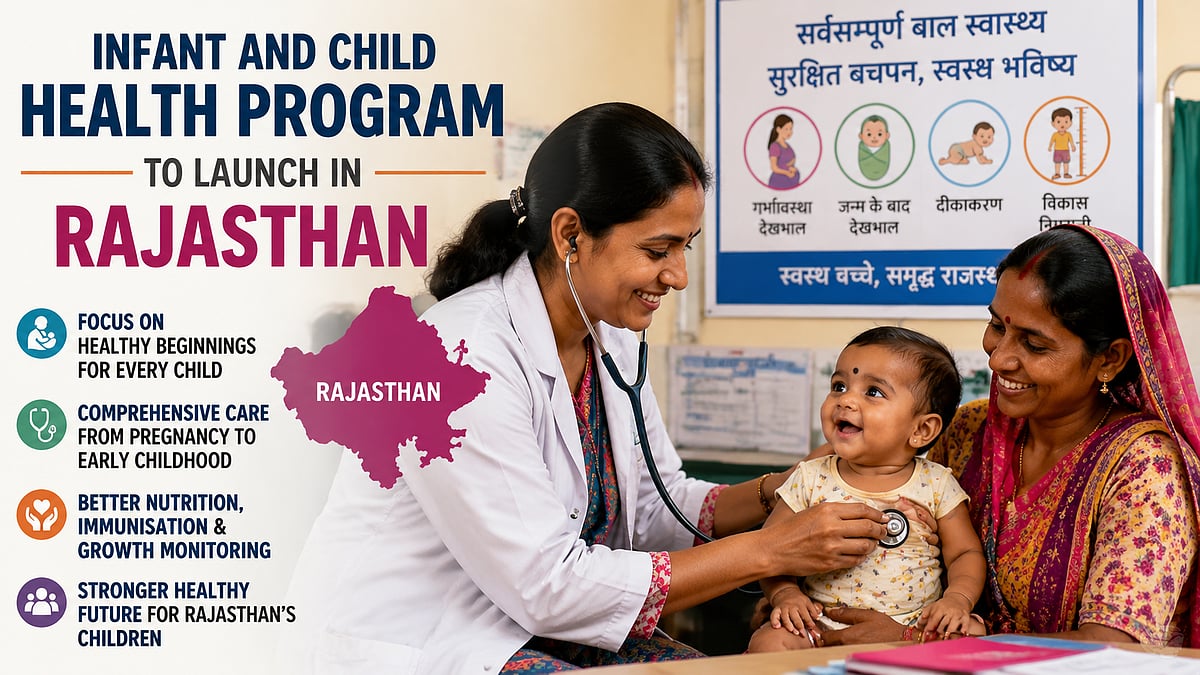
Comprehensive Infant and Child Health Pilot to Launch in Rajasthan

India's Rising Caesarean Rates Raise Calls for Dignified Childbirth
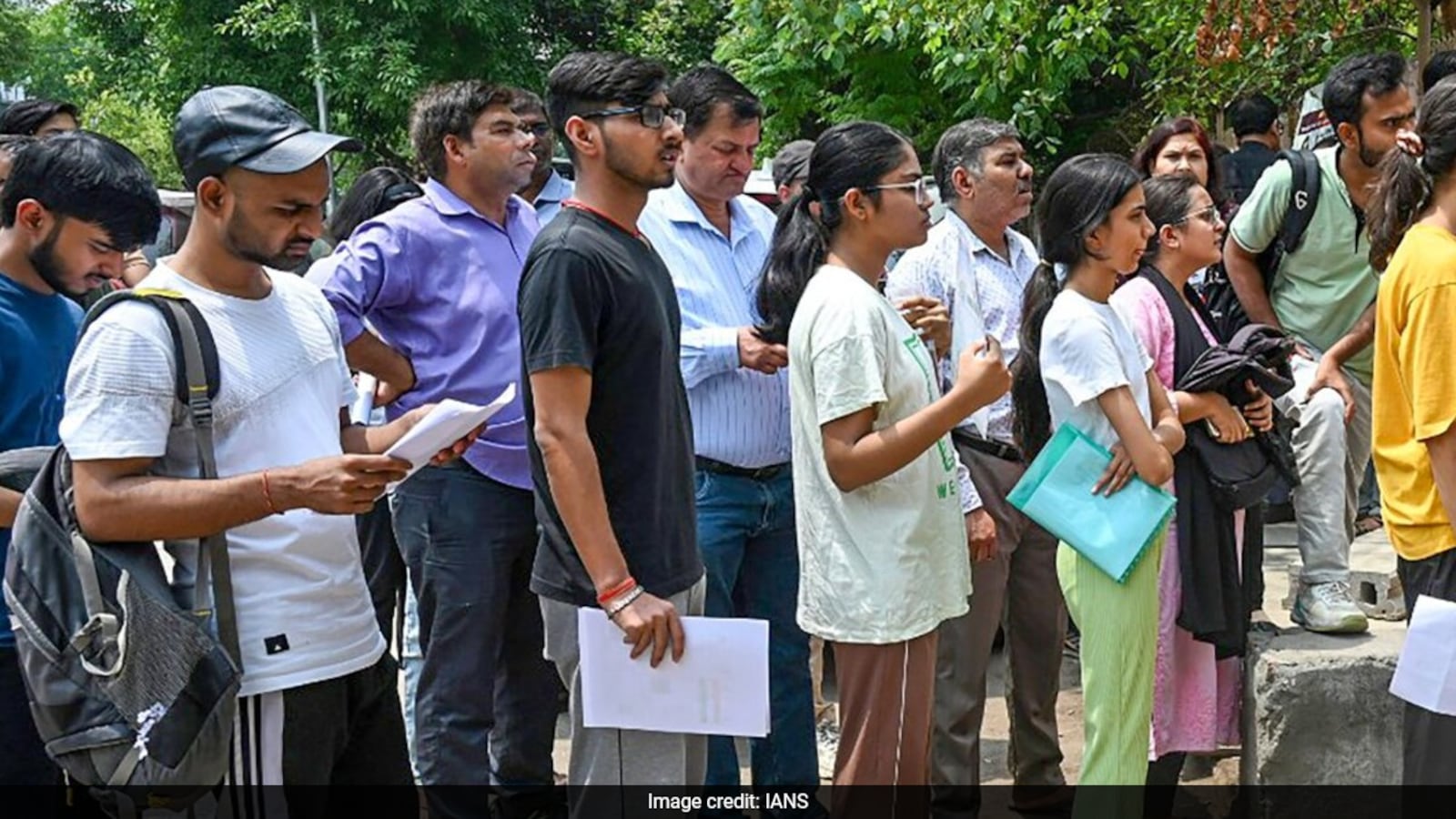
Committee Probes Jaipur Power Failure Disrupting NEET PG 2026
Power, Technical Glitches Disrupt NEET-PG Exam in Jaipur
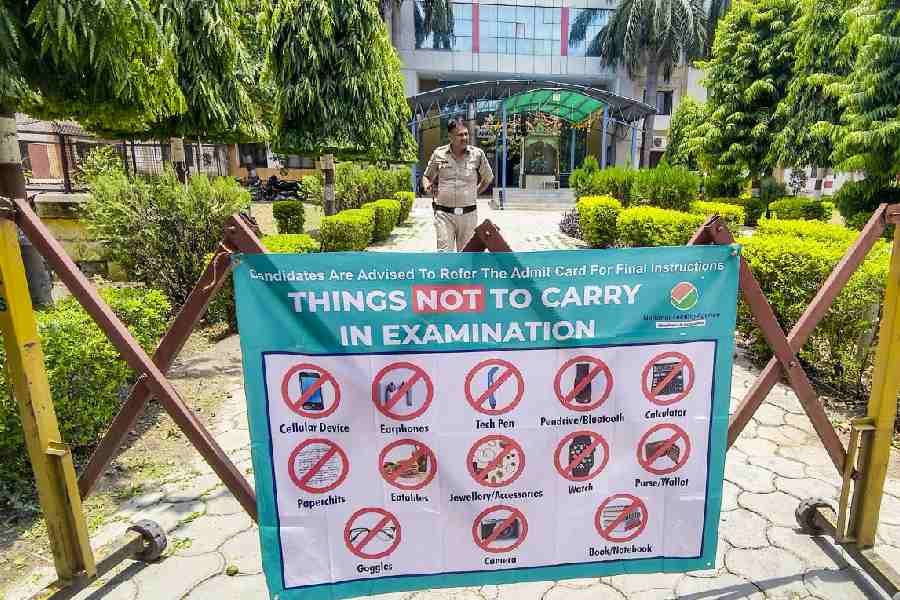
NEET-PG 2026 Conducted Nationwide Amid Robust Security, Jaipur Retest Set