1 day ago
Barapullah Phase-III Opens, Linking East Delhi With AIIMS
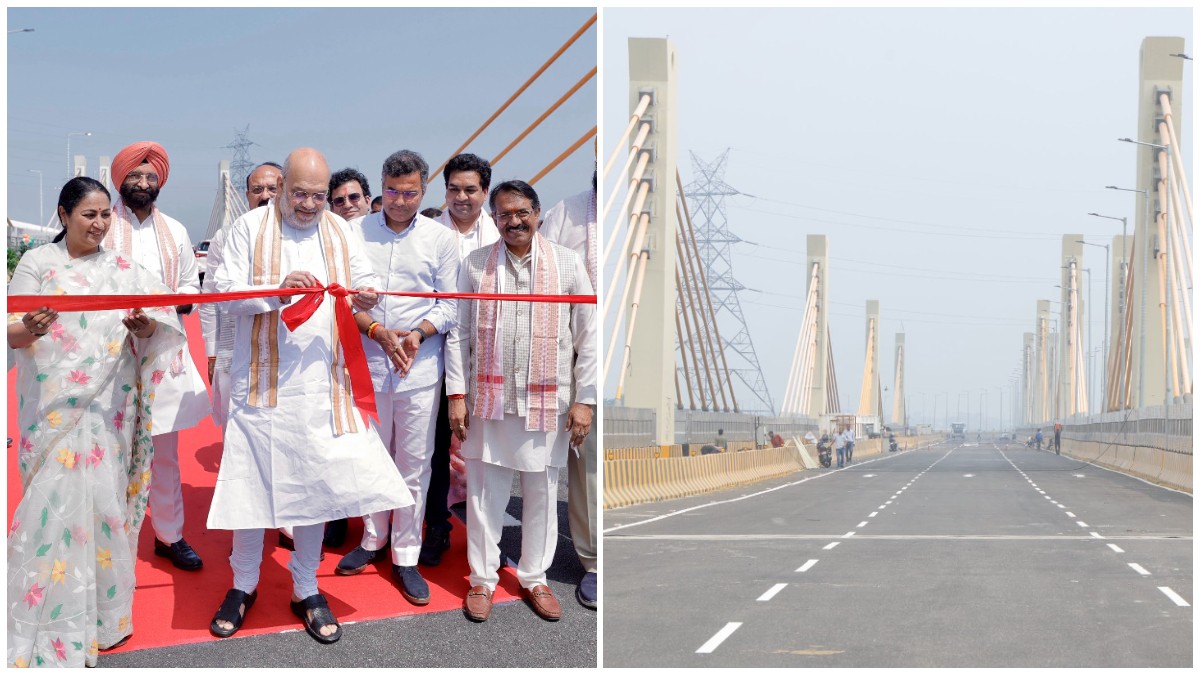
Delhi has opened a new elevated road called Barapullah Phase-III.
It connects Mayur Vihar in East Delhi with Sarai Kale Khan and routes toward AIIMS.
It joins an older Barapullah road, creating a route about nine kilometres long.
Because it has fewer traffic signals, cars may travel more quickly.
Officials say some trips from East Delhi or Noida to AIIMS could shrink from 35–40 minutes to about 15 minutes.
The actual time will depend on traffic.
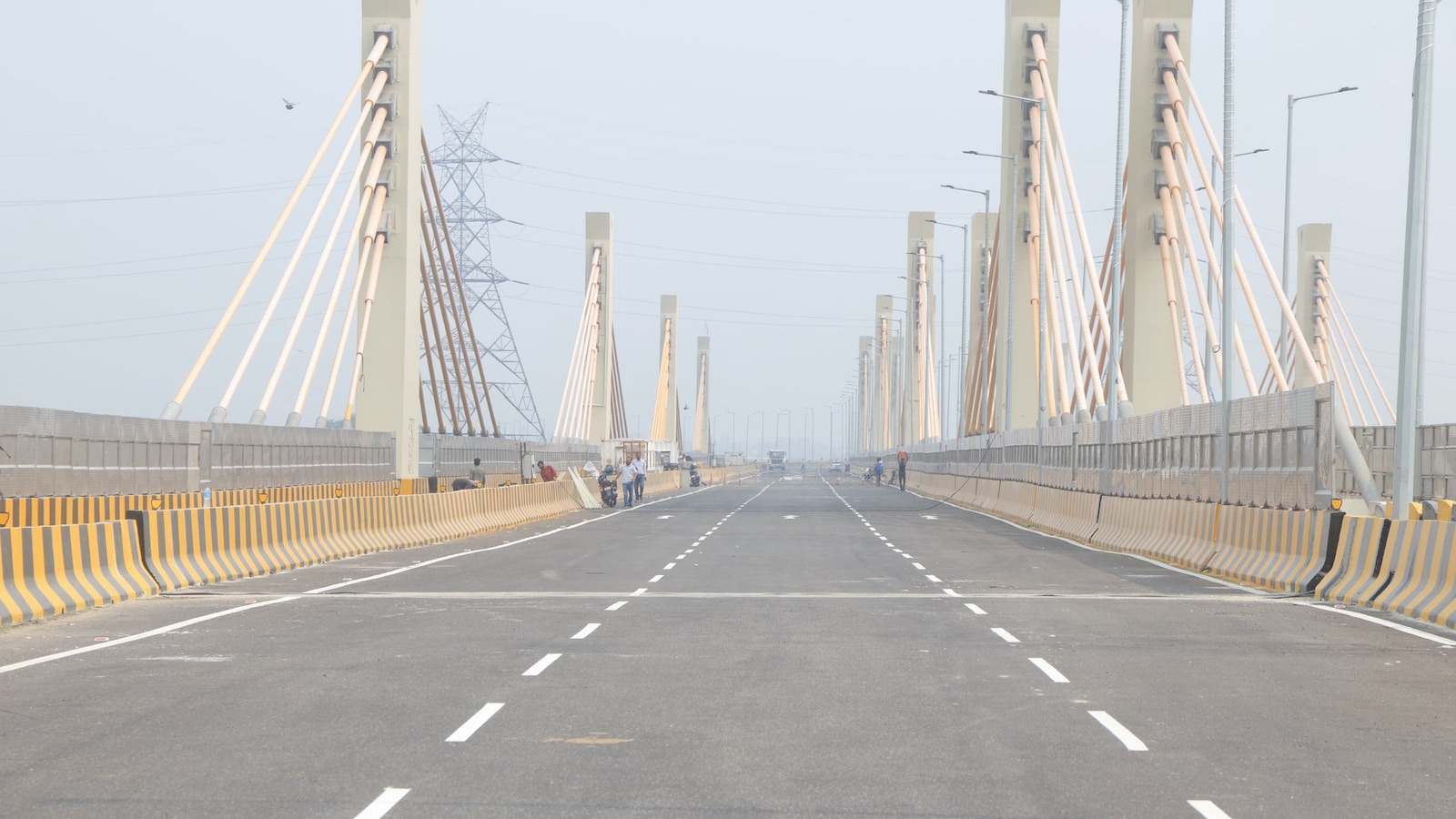
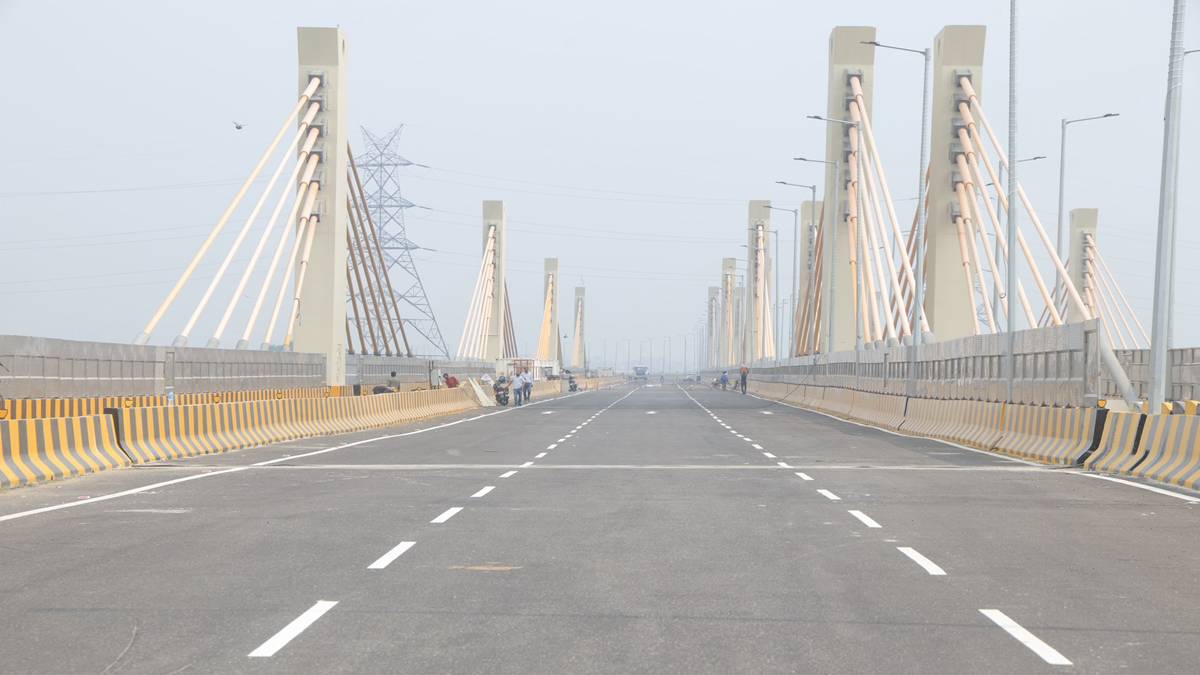
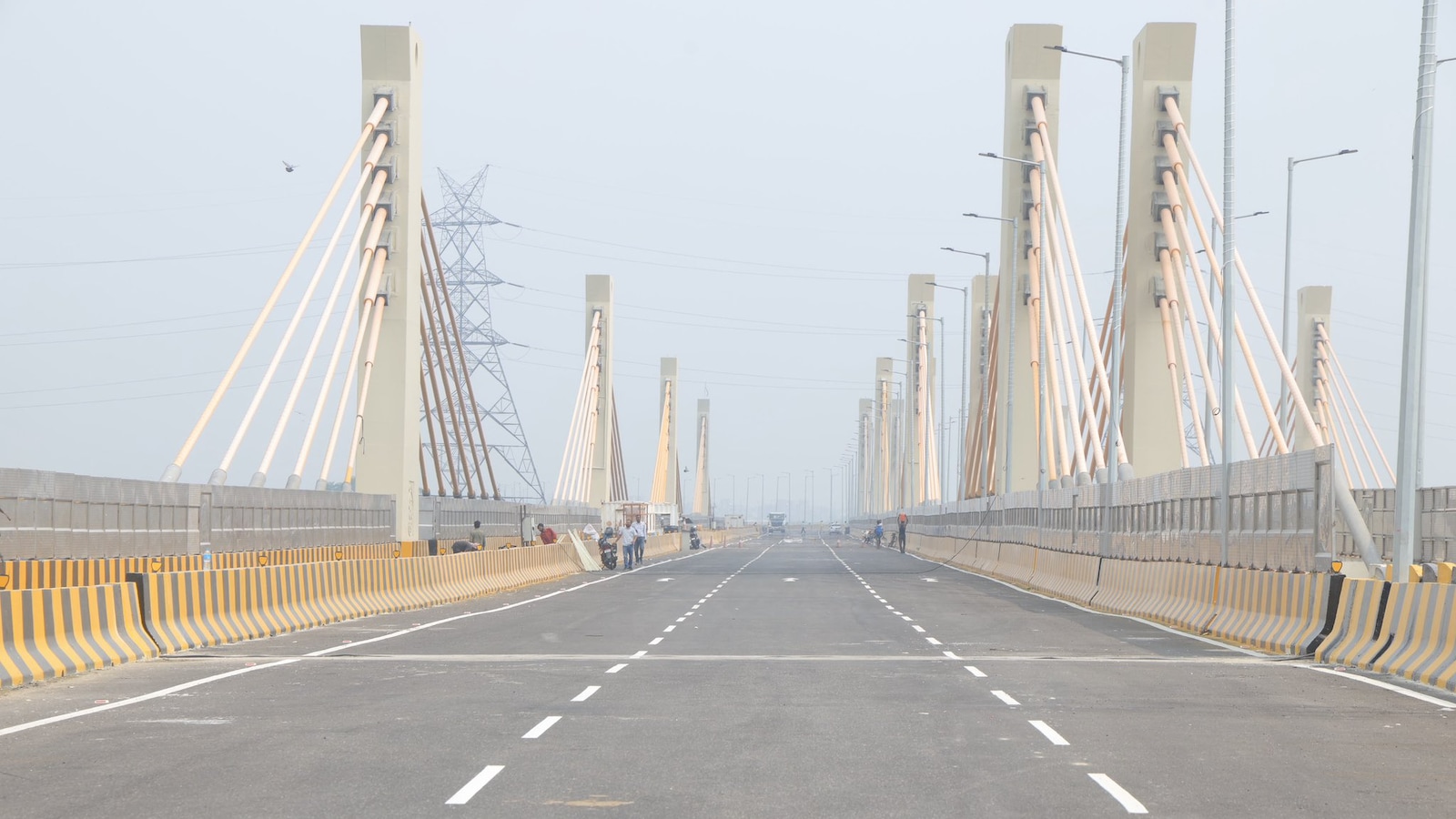
The project includes a bridge over the Yamuna floodplain, a cycle track and pedestrian facilities.
It took longer and cost more than originally planned.
Authorities also inaugurated the Mukarba Chowk underpass and announced foundations for two other projects.

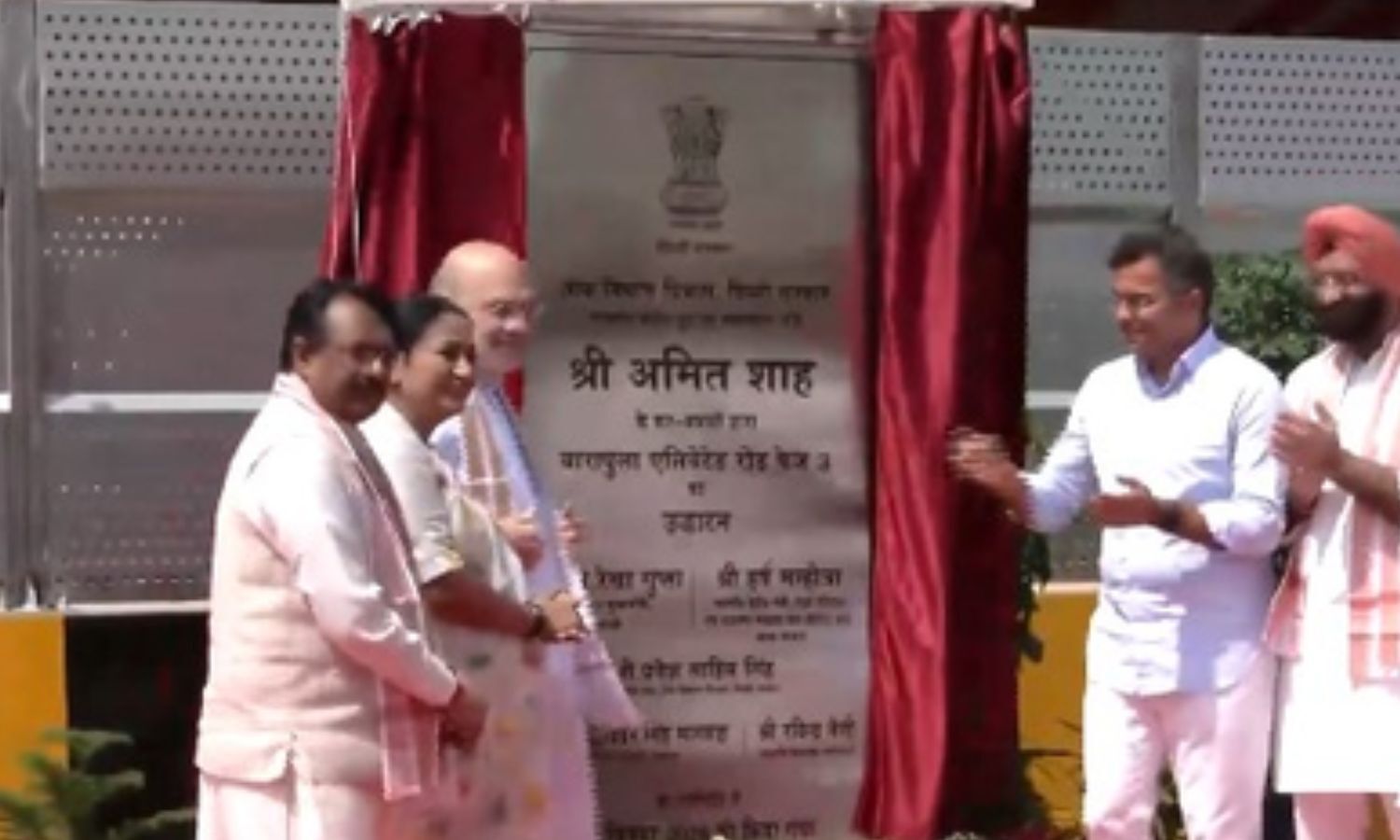
Union Home Minister Amit Shah inaugurated Delhi’s Barapullah Phase-III elevated corridor on September 29, 2026.
The signal-free, three-lane corridor links Mayur Vihar Phase I with Sarai Kale Khan and connects to the existing Barapullah route.
The combined elevated stretch is approximately 9 kilometres long and improves access toward AIIMS and South Delhi.
Officials estimate travel between East Delhi or Noida and AIIMS could fall from 35–40 minutes to about 15 minutes, depending on traffic.
Approved in 2014 and started in 2015, the project missed its 2017 deadline and its cost rose from about Rs 1,260 crore to Rs 1,635 crore.
- Who
- Union Home Minister Amit Shah inaugurated the corridor, alongside Delhi Chief Minister Rekha Gupta, PWD Minister Parvesh Sahib Singh Verma, Minister Kapil Mishra and other Delhi leaders.
- What
- The Barapullah Phase-III elevated corridor opened as a signal-free route, while the Mukarba Chowk underpass was also inaugurated and foundations were announced for two flyover projects.
- Where
- Delhi, linking Mayur Vihar Phase I with Sarai Kale Khan and providing connectivity toward AIIMS and South Delhi.
- When
- September 29, 2026.
- Why
- To improve connectivity between East Delhi, Noida and South Delhi, reduce delays caused by traffic signals and help ease congestion on busy routes.
Connectivity and Infrastructure Benefits
Delays, Cost Increases, and Scrutiny
Traffic relief
Connectivity and Infrastructure Benefits
Authorities expect the signal-free corridor to shorten journeys, improve movement between East and South Delhi, and reduce pressure on routes including NH-24, the Delhi-Noida Direct Flyway and Ring Road.
Delays, Cost Increases, and Scrutiny
The expected benefits were delayed because construction missed its original 2017 deadline and later completion targets.
Project design
Connectivity and Infrastructure Benefits
The corridor provides a direct route toward AIIMS and South Delhi and includes a Yamuna floodplain bridge, cycle track and pedestrian-friendly infrastructure.
Delays, Cost Increases, and Scrutiny
Construction faced delays involving land acquisition, tree clearances, work near the Yamuna and the COVID pandemic.
Cost and oversight
Connectivity and Infrastructure Benefits
The government presents the corridor as a major road-infrastructure addition that can improve access to Sarai Kale Khan and distribute traffic across Delhi’s road network.
Delays, Cost Increases, and Scrutiny
The cost increased by more than Rs 375 crore from the initial estimate, and the Delhi Anti-Corruption Branch registered a case over alleged irregularities that remain under investigation.
Key facts
- Route
- Mayur Vihar Phase I to Sarai Kale Khan, with connectivity toward AIIMS and South Delhi
- Combined length
- Approximately 9 kilometres after joining the existing Barapullah elevated road
- Design
- Three-lane elevated corridor with signal-free movement
- Expected travel time
- East Delhi or Noida to AIIMS could fall from roughly 35–40 minutes to about 15 minutes, depending on traffic
- Project timeline
- Approved in 2014, construction began in 2015, and completion was initially scheduled for 2017
- Cost
- Revised cost of approximately Rs 1,635 crore, compared with an initial estimate of about Rs 1,260 crore
- Features
- Yamuna floodplain bridge, nearly 125-metre pillar spans, completed ramps, a dedicated cycle track and pedestrian-friendly infrastructure
Quotes

Parvesh Verma
Delhi minister holding the Public Works Department portfolio
“With the start of the Barapullah Phase-3 corridor, signal-free connectivity will be available from Mayur Vihar Phase-1 to AIIMS. It will reduce travel between east and south Delhi and provide relief to people from traffic jams. The project is an important step towards realising the resolve of a developed Delhi”
 theprint.in
Sources

Amit Shah to inaugurate Barapullah Phase-3 elevated corridor on Tuesday
Barapullah Phase-III Opens Today: Everything Delhi Commuters Need To Know
HM Amit Shah inaugurates Barapullah Phase-III corridor in Delhi
Delhi’s Barapullah Phase 3 now open: 9-km link to cut East Delhi–AIIMS travel time to 15 mins
Related news
Barapullah Phase III Corridor Set To Open September 29
Barapullah Phase 3 Corridor Set to Open September 29
Shah inaugurates delayed Barapullah Phase-III, launches Delhi road projects
Barapullah Phase 3 Set to Open September 29
Delhi's Barapullah Phase III Set For September 29 Opening

Proposed Elevated Road Could Cut Delhi-Noida Travel Time

Singari Industries Signs ₹201 Crore MoUs at UPITS

India’s Deep-Tech Moment: 22 Projects Receive Backing Under RDI Fund

Delhi Police Arrest Four in Cousin-Tipped Cash Robbery-Murder
Velloe Concludes AI Hackathon, Offers Finalists Industry Pathways