2 weeks ago
Productivity is the engine of India's manufacturing growth: CII
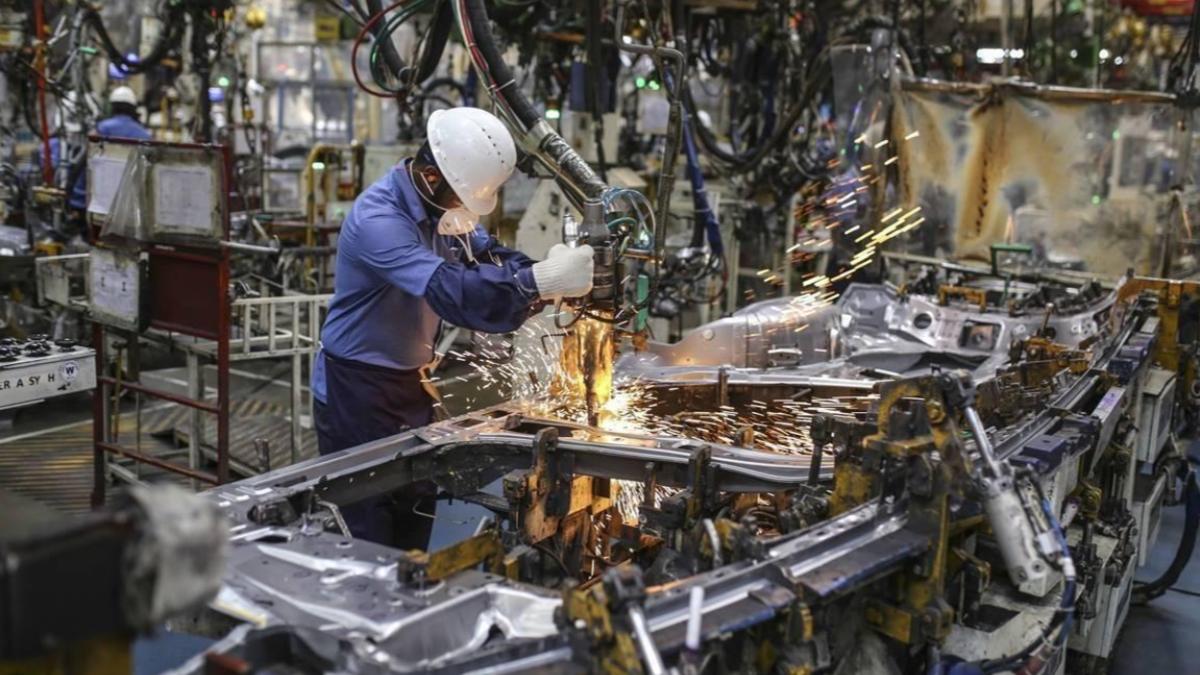
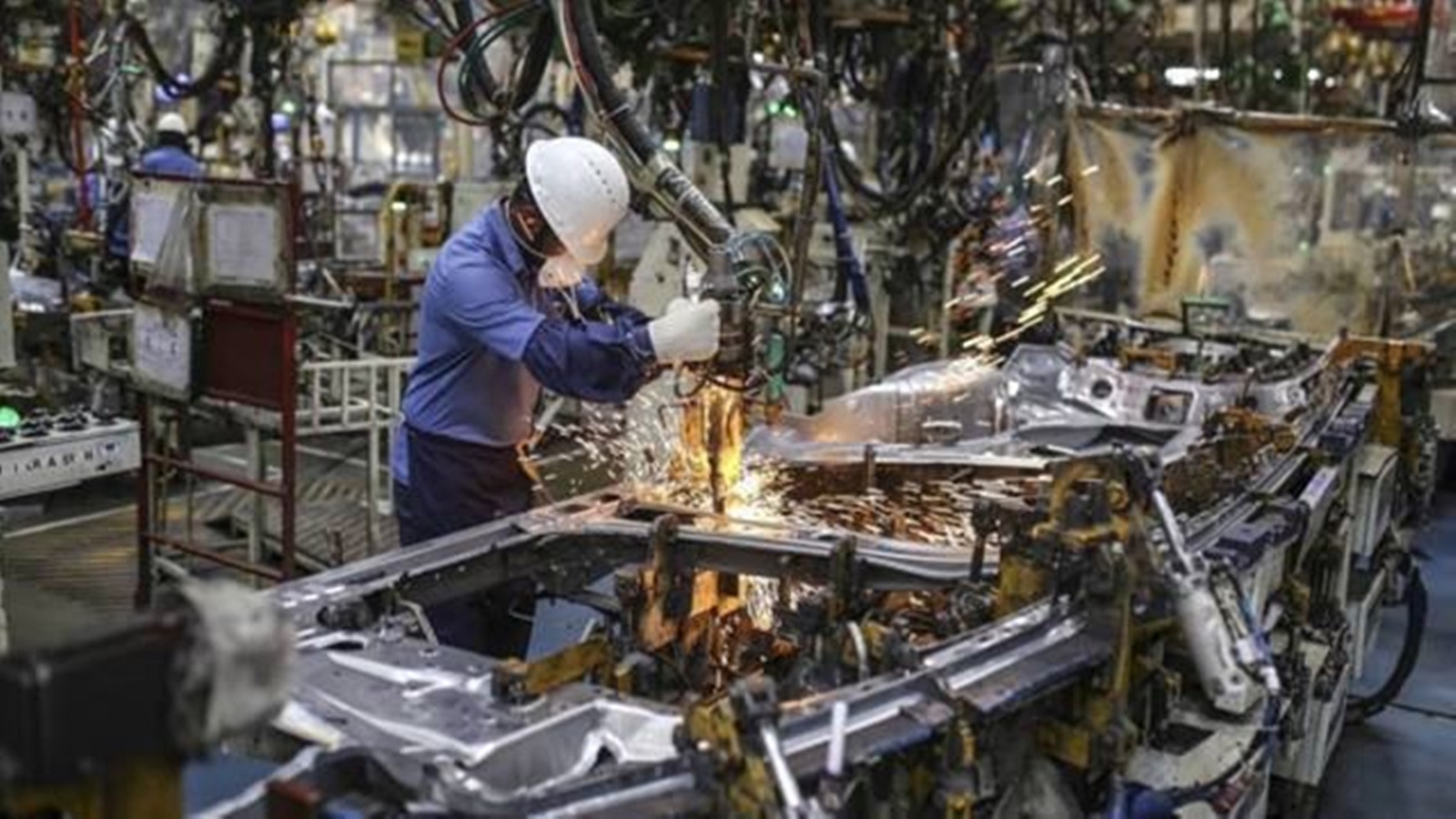
India is a country where lots of factories make things like clothes, machines, and other goods.
For many years, India's factories have been growing by building bigger factories and hiring more workers.
But a leader from a big business group called CII says that is not enough anymore.
He says India must learn to make more things using the same workers, machines, and money—that is called productivity.
Imagine cleaning a pile of toys: if you find a better way to finish faster, you are being more productive.
The article says India spends very little money on research and development compared to other countries.
It also says India should help small businesses grow bigger and work together with companies from other countries.
The goal is for India to become a rich, developed country by the year 2047.
To reach that goal, the article says factories need to work smarter, not just work more.

India's manufacturing must now grow through productivity gains rather than scale alone, according to a CII opinion piece supporting the Viksit Bharat mission by 2047.
Total factor productivity in manufacturing grew 2.3% in the 1980s, turned negative in the 1990s, recovered to 2.1% in the 2000s, and has moderated since 2012.
India spends only 0.64% of GDP on R&D, with private industry contributing barely a third, and the article proposes raising this to 1.5% of GDP by 2030.
Production Linked Incentive schemes have attracted Rs 2 lakh crore in investment, generated Rs 19 lakh crore in output, and created 13 lakh jobs.
The piece outlines seven priorities including closing the innovation gap, integrating with global value chains, fixing the missing middle, and aims for manufacturing to reach 25% of GDP by 2035 while creating 140 million jobs.
- Who
- The Director General of the Confederation of Indian Industry (CII), writing an opinion piece in the Financial Express.
- What
- An argument that India's manufacturing growth must now be driven by productivity improvements rather than capacity expansion, supported by seven policy levers.
- Where
- India.
- When
- Not explicitly stated; the analysis spans manufacturing trends from the 1980s through FY25, with targets set for 2030, 2035, and 2047.
- Why
- To support the Viksit Bharat mission of making India a developed nation by 2047.
Key facts
- Author
- Director General, Confederation of Indian Industry (CII)
- TFP growth (1980s / 1990s / 2000s)
- 2.3% / negative / 2.1%
- R&D spending
- 0.64% of GDP
- Proposed R&D target
- 1.5% of GDP by 2030
- PLI scheme results
- Rs 2 lakh crore investment, Rs 19 lakh crore output, 13 lakh jobs
- Manufacturing target
- 25% of GDP by 2035; 140 million jobs
- Logistics costs
- 7.97% of GDP
- Digital & tax data
- UPI transactions Rs 261 lakh crore in FY25; GST registrations crossed 15.1 million
Sources
Related news
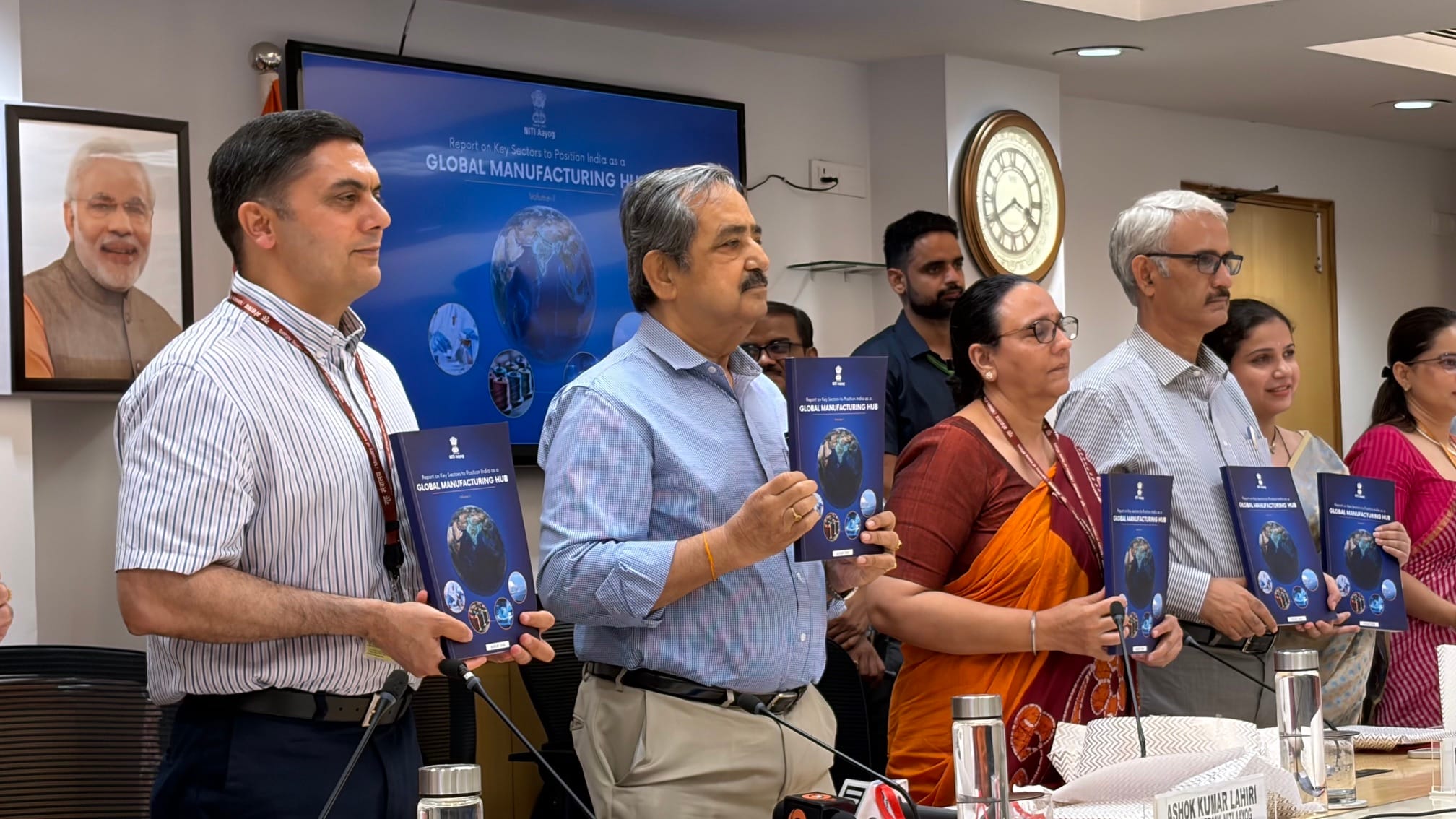
NITI Aayog identifies 12 sectors for India's global manufacturing push

India's Manufacturing Push Faces Value Addition Test, Deloitte Says

NITI Aayog Proposes Industrial Clusters to Boost India's Global Manufacturing

Private sector firms urged to invest more in R&D: Official

Government Schemes Propel India’s Manufacturing Growth and Supply-Chain Rise

Modi’s Make in India Gains Face Rahul Gandhi’s Criticism

Jefferies Favors Kaynes as India Advances Electronics Component Manufacturing
Indian Chief Ministers Turn Marketers to Win Manufacturing

India’s Capex Push Must Build Capability, Not Just Assets