1 week ago
altM Turns Crop Residue Into A New Materials Industry
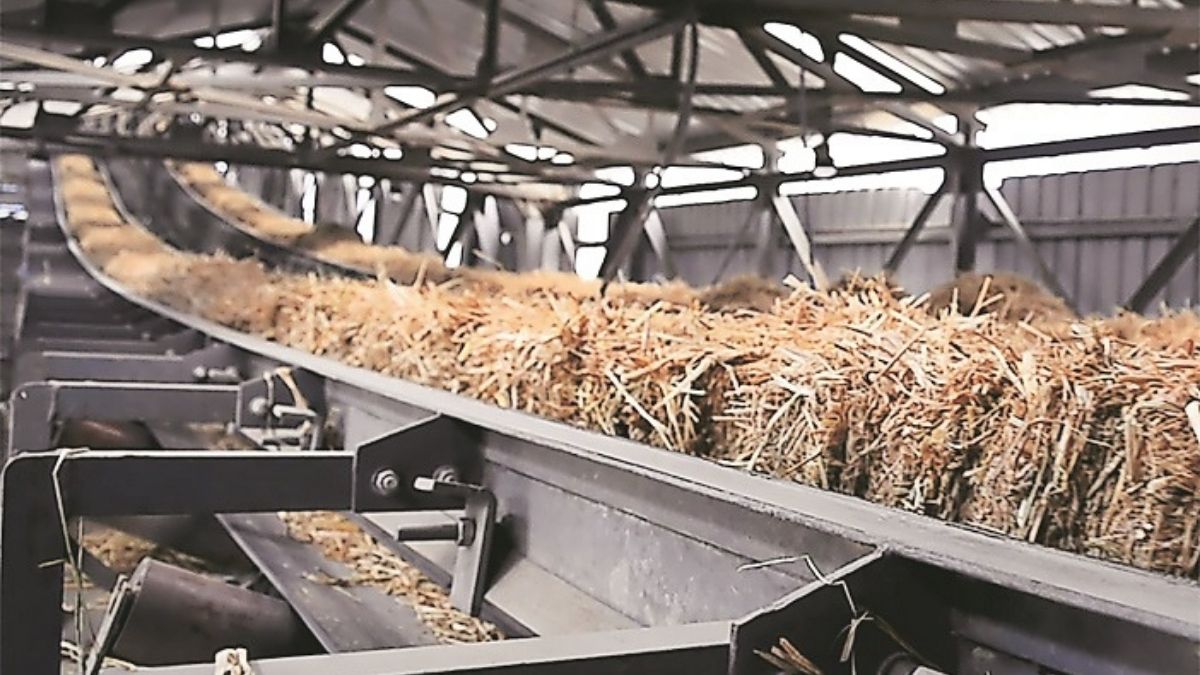
Farmers produce a lot of leftover plant material after crops are harvested.
Some of this material is burned, which causes pollution.
altM is a company in Bengaluru trying to turn the leftovers into useful ingredients.
It separates the plant material into parts called cellulose, hemicellulose and lignin.
These parts can be used in products such as sunscreen, cosmetics, paint and glue.
The company says this could reduce the need for materials made from fossil fuels.
Scientists agree the idea could be useful but say it must use little energy, water and chemicals.
altM has tested the process in a pilot plant and plans to build a larger factory in 2027.
The company also hopes farmers will eventually earn money from collecting crop residue.

Bengaluru-based altM is converting rice straw, sugarcane bagasse and cotton waste into chemical building blocks.
The startup aims to replace fossil-derived ingredients in cosmetics, paints, adhesives, coatings and polymers.
Its products include cellulose-based rheology modifiers and a lignin-derived sunscreen SPF booster.
altM raised $3.5 million in 2023 and plans to start a 1,000–2,000-tonne annual plant in late 2027.
Scientists say the model’s environmental benefits still require full life-cycle and economic assessments.
- Who
- Bengaluru-based altM, co-founded by Yugal Raj Jain and Apoorv Garg, is developing the technology; Sounak Roy provided scientific commentary.
- What
- The company is converting agricultural residue into cellulose-, hemicellulose- and lignin-based materials for cosmetics and industrial products.
- Where
- The company’s facility is in Bengaluru, India, with feedstock sourced mainly from nearby sugar mills and cotton-processing units.
- When
- altM raised seed funding in 2023, moved to its own facility after incubation through 2024, and expects its first commercial plant to begin operations in the second half of 2027.
- Why
- altM aims to reduce crop-residue burning and dependence on fossil-derived materials while creating higher-value uses for agricultural waste.
AltM’s potential
Scientific and commercial cautions
Environmental benefits
AltM’s potential
altM says its process starts with plant-captured biogenic carbon, uses temperatures below 150°C, sources feedstock locally and is designed to recycle 80%–85% of its water at commercial scale.
Scientific and commercial cautions
Sounak Roy says the benefits depend on the energy, water and chemicals required, and must be demonstrated through rigorous life-cycle assessments and techno-economic analysis.
Replacing fossil-based materials
AltM’s potential
The founders say their cellulose and lignin products can replace fossil-derived ingredients in cosmetics, paints, adhesives, coatings and polymer systems.
Scientific and commercial cautions
The article indicates that commercial viability remains unproven because production must scale economically and specialized equipment often requires custom development.
Crop-residue supply chain
AltM’s potential
altM says organized demand could give farmers an economic alternative to burning or discarding residue and eventually allow them to receive a share of the value.
Scientific and commercial cautions
The company’s own assessment is that residue must be collected and transported competitively, while biogas, bioethanol and biomaterials industries must grow together to support a reliable supply chain.
Key facts
- Agricultural residue in India
- India generates an estimated 350–500 million tonnes annually, with around 92 million tonnes still burned.
- Feedstocks
- altM processes materials including rice straw, sugarcane bagasse and cotton waste.
- Main products
- The company has developed cellulose-based rheology modifiers and altScreen, a lignin-based sunscreen SPF booster.
- Reported SPF effect
- According to co-founder Yugal Raj Jain, altScreen can increase sunscreen formulation effectiveness by 60%–300%.
- Seed funding
- altM raised $3.5 million in 2023 from investors led by Omnivore.
- Planned plant
- The first commercial facility is expected to begin operations in the second half of 2027 with initial capacity of 1,000–2,000 tonnes per year.
- Environmental evidence
- A full life-cycle assessment has not yet been completed.
Quotes
Yugal Raj Jain
Co-founder and chief operating officer of altM
“Our rheology modifiers are biodegradable. By converting agricultural residues into materials like thermoset binders and SPF boosters, we are creating a circular loop that keeps carbon within the industrial value chain.”
 financialexpress.com
“If it consumes significant energy, it will fail to deliver a net environmental benefit and will not be economically viable.”
financialexpress.com
Sources
Related news
India's ₹23,731-crore bet on turning waste into fuel: 3 stocks

PM Modi's global agri products call can boost millet-based businesses
Village-Scale Biochar Could Make Punjab’s Parali More Valuable
Parijat Industries, HELM Forge Strategic Crop Protection Collaboration

Spineless Cactus Offers Farmers New Food, Fuel And Fashion Opportunities

India’s Sustainable Packaging Startups Shift Toward Commercial Scale
Hyderabad Startup’s Drone Interceptor Sets 498-kmph Speed Record

G.D. Birla Linked Enterprise and Production to Living Standards
National Workshop Promotes Additive Manufacturing for Sustainable Waste Recycling

Vishal Mega Mart Shares Jump After Kapur Reappointment