3 weeks ago
India panel urges geostationary satellite for Himalayan forest fire monitoring
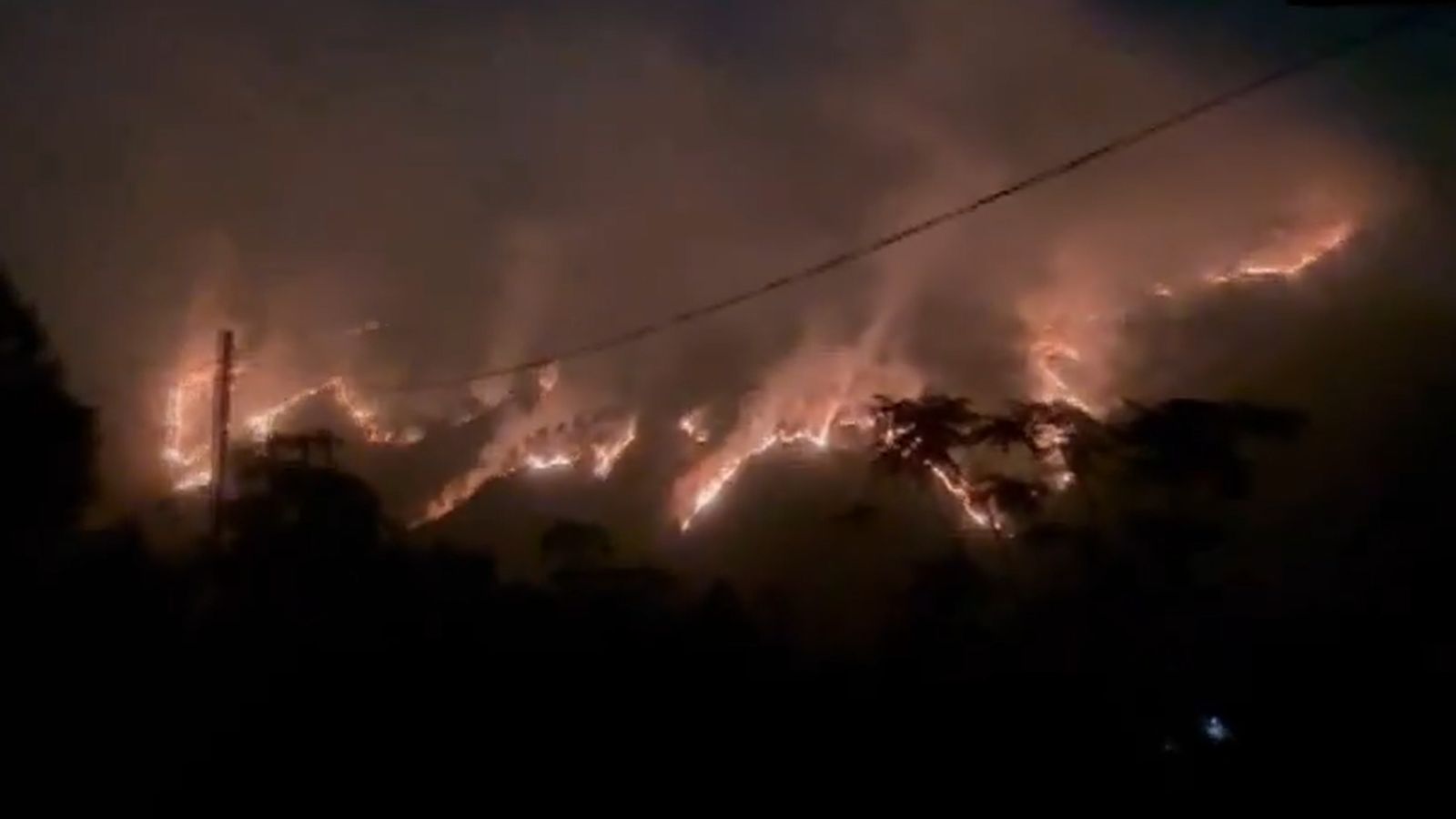
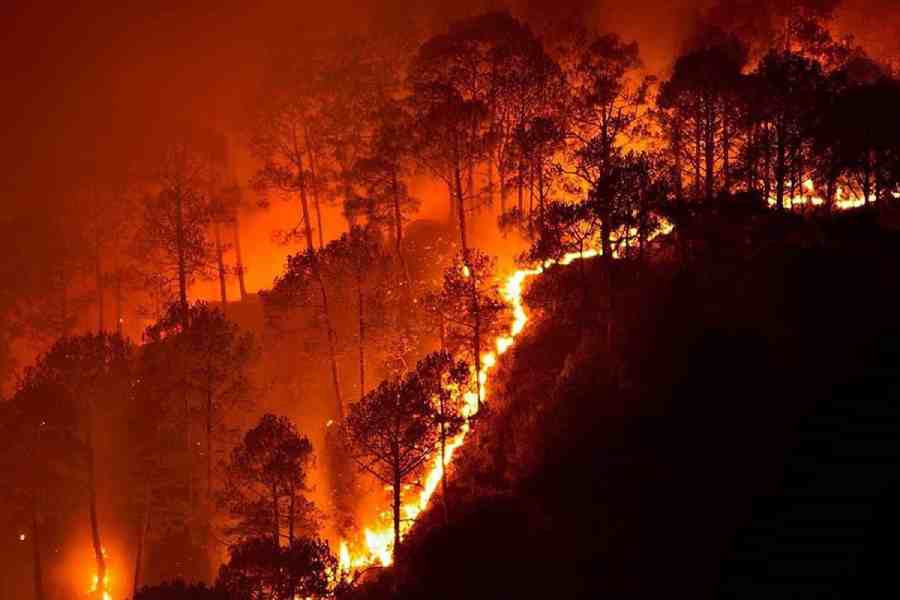
Forests in the mountains of India called the Himalayas sometimes catch fire.
These fires can be dangerous for people, animals, and plants.
A group of Indian leaders called a parliamentary committee makes sure the government takes care of the environment.
The committee just wrote a big report about forest fires in the Himalayas.
It says India does not have its own satellite that can watch the forests all day and night.
Right now, India uses satellites from other countries, and they only look at India eight times a day.
The committee thinks India should launch its own special satellite that never stops watching.
It also wants special rescue teams ready in the Himalayan region and a plan to use pine needles that often fuel the fires.
The committee wants more studies on whether climate change makes fires happen more often.
These ideas will help keep the forests and people safe.

A parliamentary standing committee recommended prioritising the launch of a geostationary satellite for round-the-clock monitoring of forest fires in the Himalayan region.
The report, 'Forest fires in the Himalayan Region, its adverse effects and mitigation measures', was tabled in both Houses of Parliament on Friday.
India currently relies on foreign polar-orbiting satellites, AQUA and Suomi-NPP, which observe the country only eight times a day, leaving a critical monitoring gap.
Uttarakhand recorded the highest forest fire incidents among 13 Himalayan states between 2019-20 and 2023-24.
The panel also sought a time-bound decision on at least two regional NDRF response centres and a National Pine-Needle Utilisation Policy, among other measures.
- Who
- The parliamentary standing committee on Science and Technology, Environment, Forest and Climate Change, chaired by BJP MP Medha Kulkarni, with inputs from the Environment Ministry, Department of Space and Forest Survey of India.
- What
- Recommended prioritising a geostationary satellite for round-the-clock forest fire monitoring, alongside regional NDRF centres, a pine-needle policy, and studies on climate links to fires.
- Where
- India's Himalayan region, spanning 13 states in the Western and Eastern Himalaya, including Uttarakhand, Himachal Pradesh, Jammu & Kashmir, Manipur and Arunachal Pradesh.
- When
- The report was tabled in both Houses of Parliament on Friday; fire incident data covers 2019-20 to 2023-24.
- Why
- Because India's active fire monitoring depends on foreign polar-orbiting satellites that observe the country only eight times a day, creating a critical gap in the diurnal fire monitoring cycle.
Backers of a National Forest Fire Management Act
Supporters of the existing national action plan
Legal framework for forest fire management
Backers of a National Forest Fire Management Act
The committee questioned the government on whether a new central law, such as a 'National Forest Fire Management Act', is needed to create a legal framework for early warning systems, firefighting infrastructure and penalties for negligence.
Supporters of the existing national action plan
The Environment Ministry responded that a national action plan for forest fires currently addresses forest fires, aided through working plans, compensatory afforestation funds and a disaster management framework.
Key facts
- Committee
- Standing Committee on Science and Technology, Environment, Forest and Climate Change
- Chairperson
- Medha Kulkarni (BJP MP)
- Report tabled
- In both Houses of Parliament on Friday
- Himalayan region share of India's landmass
- 17 per cent
- Share of India's forest fire incidents
- 57 per cent
- Current fire monitoring satellites
- AQUA and Suomi-NPP (foreign, polar-orbiting)
- Satellite passes over India per day
- 8
- Highest fire incidents (2019-20 to 2023-24)
- Uttarakhand among 13 Himalayan states
Quotes

House panel on Science and Technology, Environment, Forest and Climate Change
Parliamentary standing committee headed by BJP MP Medha Kulkarni
“Even after so many years of using satellite technology and despite India being a leader in the space sector, the country is still relying on foreign satellites for monitoring of forest fires … the committee, therefore, urges the Department of Space to prioritise the launch of a geostationary satellite capable of round-the‑clock monitoring of forest fires.”
 indianexpress.com
Sources
Related news
Indian parliamentary panel seeks 24x7 satellite forest fire tracking

UPSC Weekly Quiz: 10 Current Affairs Questions for Prelims 2027
Letters Debate Forest-Fire Prevention, Hotel Safety and Loneliness

Indonesia Arrests 72 as Forest-Fire Haze Reaches Malaysia