

Science & Tech · Science & Environment · 5 hrs ago
Researchers engineer lettuce to produce a meat protein

Researchers engineered lettuce and tobacco plants to produce myoglobin, a protein found in animal tissue.
The work was described in a study published in Frontiers in Plant Science.
Myoglobin contains heme, which can give meat alternatives a red color and a meat-like flavor.
The researchers put the instructions for making the protein into the plants’ chloroplasts, the structures that use sunlight to make food.
They say this approach may produce more myoglobin than putting those instructions in a plant’s nucleus.
Making the protein in crops could be less costly and energy-intensive than producing it through yeast fermentation, though this is a possible benefit, not a proven commercial outcome.
Lettuce may be especially useful because it is edible, which could make regulatory steps easier as researchers explore whether the method can be used in food products.

Researchers engineered lettuce and tobacco plants to produce myoglobin, a protein found in animal tissue.
The team put the production instructions in the plants’ chloroplast genomes.
The study, published in Frontiers in Plant Science, reports the plants produced myoglobin for the first time.
Myoglobin could help plant-based meat alternatives look, smell and “bleed” more like red meat.
The researchers say plant production could be less costly and energy-intensive than industrial fermentation.
- Who
- Researchers, including lead author Alexia Groff, engineered the plants.
- What
- They made lettuce and tobacco plants produce myoglobin, a meat protein.
- When
- The study was published before the article appeared on October 12, 2026; its publication date is not stated.
- Where
- Imperial College London is where Groff worked on the project as a Ph.D. student. The plants’ growing location is not stated.
- Why
- Myoglobin could improve the flavor and appearance of plant-based meat alternatives, while plant production may reduce costs and energy use.
This story does not have two clearly opposing sides.
Row-crop protein production would likely be faster than fermentation-derived production,
I’m very excited for what the future of this sector is going to look like.
Researchers engineered lettuce and tobacco plants to produce myoglobin.
The study describing the work was published in Frontiers in Plant Science.
Scientific American published an article about the research.
- Plants engineered
- Lettuce and tobacco
- Protein produced
- Myoglobin
- Genetic location
- Chloroplast genome
- Lead author
- Alexia Groff
- Study journal
- Frontiers in Plant Science
- Article date
- October 12, 2026
Sources
Related news

São Paulo’s century-old underground power network limits weather exposure

MIT team develops flexible sheet that can track surface movement

Srisailam Dam Project earns place in World Book of Records
Farm scientists urge paddy crop holiday as El Niño threatens water supplies
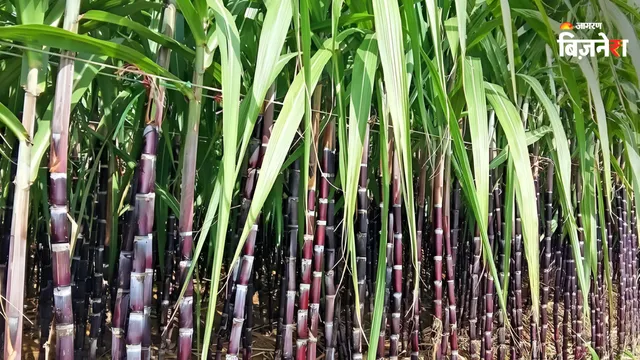
New sugarcane variety sells out in five minutes in Uttar Pradesh

Rescued turtles return to a restored wetland in western NSW

Heat cuts coast redwoods’ photosynthesis roughly in half, study finds

Madagascar rock formation resembles the Moon’s bright highlands

Smelly wetland plant cleared from a river

First Nation-led project replants kelp forests in British Columbia

A 1960 population study predicted a Doomsday date in November 2026
