

Science & Tech · Science & Environment · 4 hrs ago
Heat cuts coast redwoods’ photosynthesis roughly in half, study finds

Coast redwoods grow in a narrow band of coastal land from central California to southern Oregon.
Researchers tested needles from younger redwoods in California’s Mendocino County, including during a period that had two heat waves.
In lab tests, the needles’ rate of photosynthesis fell by about half as temperatures rose from 30°C to 40°C.
Photosynthesis is how trees use sunlight and carbon dioxide to make food.
The decline continued even when the samples had enough water and carbon dioxide, suggesting heat itself affected the process.
This raises concern that heat waves could stress redwoods and contribute to tree deaths.
That matters because redwoods store large amounts of carbon, which helps limit climate change.

A laboratory study found that coast redwood needles’ net photosynthesis roughly halves when temperatures rise from 30° to 40° Celsius.
Researchers say the decline may indicate severe stress and could threaten the trees’ role as a major carbon store.
The study examined needles from redwoods in California’s Mendocino County during a period that included two heat waves.
At temperatures above 40° Celsius in parts of the trees’ range, heat may cause needles to become hotter than the surrounding air.
The researchers studied younger trees because collecting samples from old-growth redwoods is difficult.
- Who
- Researchers including Lily Klinek of the University of California, Davis, and Troy Magney of the University of Montana.
- What
- A study found that coast redwood needles’ net photosynthesis roughly halves as temperatures rise from 30° to 40° Celsius.
- When
- The researchers measured needles from July 2022 to October 2024. The study was reported September 22.
- Where
- The samples came from coast redwoods in Mendocino County, California; experiments were conducted in a lab.
- Why
- Researchers investigated how heat affects photosynthesis in coast redwoods, which may face heat waves in their coastal range.
This story does not have two clearly opposing sides.
severe levels of stress
They could essentially starve if they don’t have access to enough carbon
They weren’t slowing their photosynthesis because of carbon starvation
this is the first study to investigate how coast redwoods respond to the heat
Researchers repeatedly measured the performance of needles from redwoods in Mendocino County, a period that included two heat waves.
Researchers raised sample temperatures to match heat waves and measured photosynthesis rates.
The study was reported in the Journal of Geophysical Research: Biogeosciences.
- Photosynthesis change
- Roughly halves as temperatures rise from 30° to 40° Celsius
- Study location
- Mendocino County, California
- Measurement period
- July 2022 to October 2024
- Heat waves
- Two during the measurement period
- Needle temperature
- Up to 10 degrees C hotter than surrounding air
Sources
Related news

Debate over Monte Verde reopens questions about the first Americans

Africa’s solar installations set a record as official data misses much of the growth

Elephant remains reveal a wetland and woodland habitat in ancient Israel

Northeast monsoon likely to begin over southern India within days

Hyderabad workshop discusses how to make science easier to understand
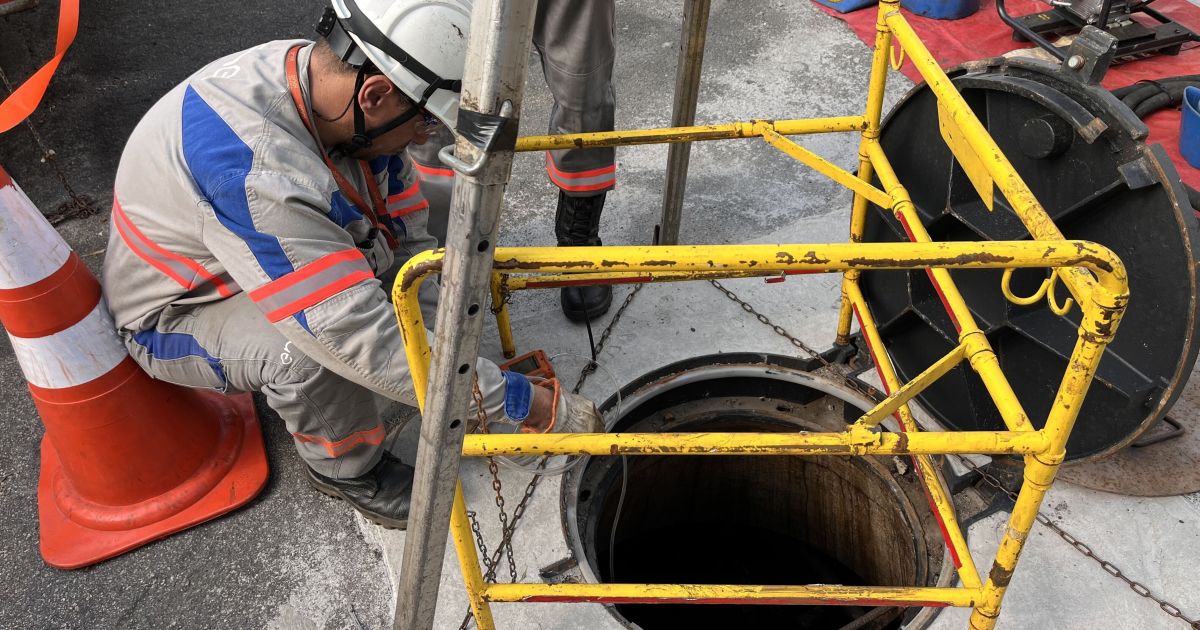
São Paulo’s century-old underground power network limits weather exposure

Quantum computer demonstrates repeated checks and resets to control errors

MIT team develops flexible sheet that can track surface movement

Srisailam Dam Project earns place in World Book of Records
Farm scientists urge paddy crop holiday as El Niño threatens water supplies
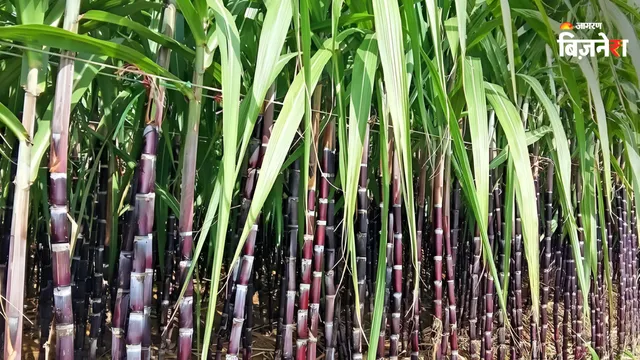
New sugarcane variety sells out in five minutes in Uttar Pradesh
