Politics · India · 23 hrs ago
India’s chief justice says children in conflict with law must be understood
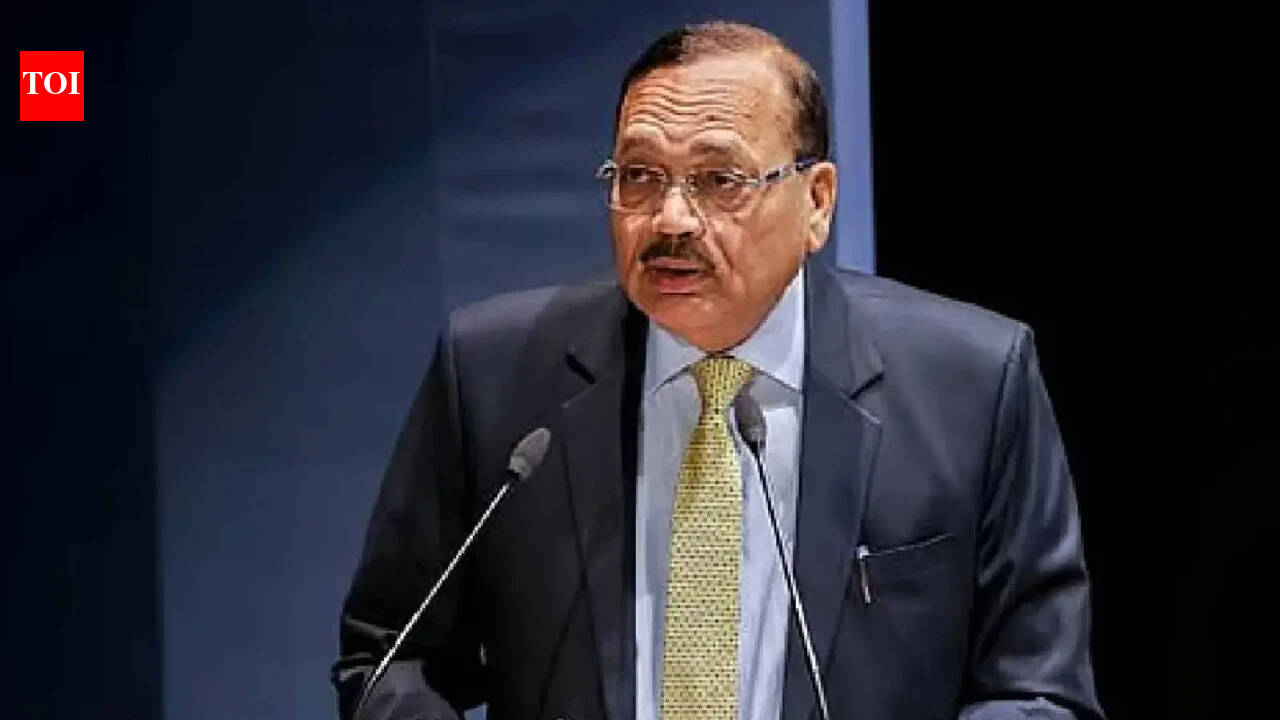
Chief Justice of India Surya Kant spoke in New Delhi at an event marking 10 years of the Juvenile Justice Act.
He said authorities should do more than hear children accused of breaking the law: they should try to understand them.
He noted that some children in conflict with the law may previously have needed care and protection that they did not receive in time.
The Act treats people under 18 as innocent of criminal intent and makes institutional care a last resort.
It favours counselling, community service, probation and diversion from formal proceedings over confinement.
The approach aims to help children return to society rather than be labelled as criminals.
Supreme Court judge B V Nagarathna also said adults should take children’s concerns seriously so they do not feel rejected.

Chief Justice of India Surya Kant said children in conflict with the law must be understood, not only heard.
He said many children who come into conflict with the law may previously have needed care and protection.
Kant described restoration, rather than retribution, as the response intended by the Juvenile Justice Act.
He said the Act favours counselling, community service and probation over confinement.
Supreme Court judge B V Nagarathna said adults must understand children’s anxieties and avoid dismissing their concerns.
- Who
- Chief Justice of India Surya Kant spoke about children in conflict with the law. Supreme Court judge B V Nagarathna also addressed children’s concerns.
- What
- They called for understanding and supportive treatment of children in conflict with the law.
- When
- Saturday. The article was published on October 10, 2026.
- Where
- New Delhi.
- Why
- Kant said children in conflict with the law may previously have needed care and protection, and that few can speak up for themselves before authorities.
This story does not have two clearly opposing sides.
Our answer to such a predicament is restoration, not retribution.
The Act presumes everyone below 18 to be innocent of any criminal intent, treats institutional care as a last resort, encourages diversion from formal proceedings, and prefers counselling, community service, and probation to confinement, while promising a fresh start.
We cannot be dismissive of their concerns, lest they feel alienated and rejected.
Kant spoke about the Juvenile Justice (Care and Protection of Children) Act and its approach to children in conflict with the law.
Kant and Nagarathna spoke about understanding and supporting children.
- Speaker
- Surya Kant, Chief Justice of India
- Act
- Juvenile Justice (Care and Protection of Children) Act
- Age threshold
- The Act presumes those below 18 to be innocent of criminal intent
- Preferred measures
- Counselling, community service and probation over confinement
- Committee
- Nagarathna heads the Supreme Court's Juvenile Justice Committee
Sources
Related news
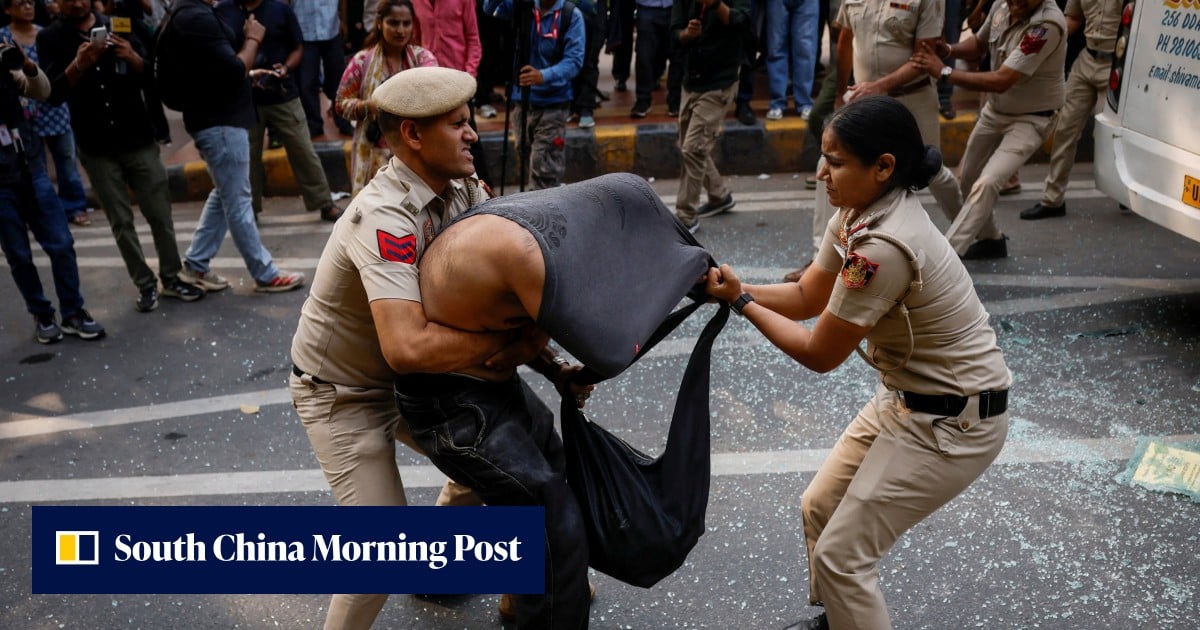
Delhi braces for more protests after court releases three movement leaders
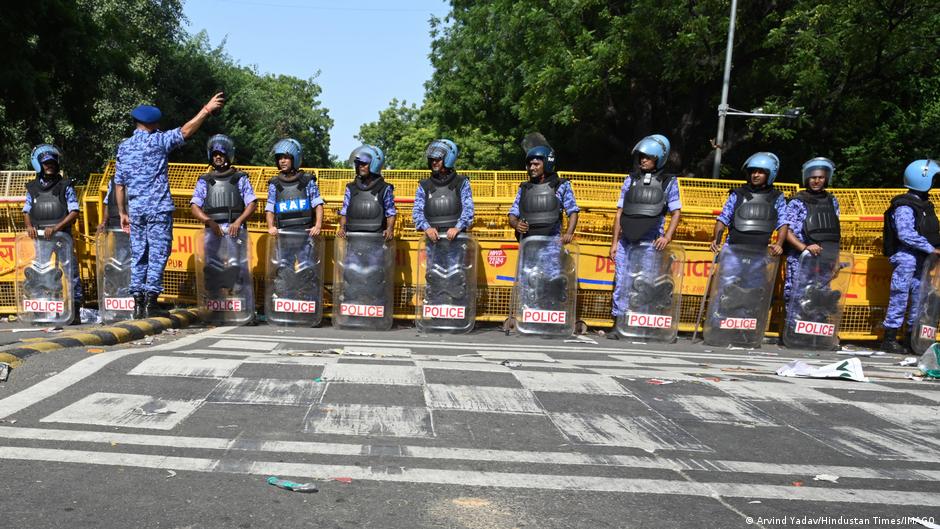
Delhi detains protest leaders as youth rally challenges voter-list changes
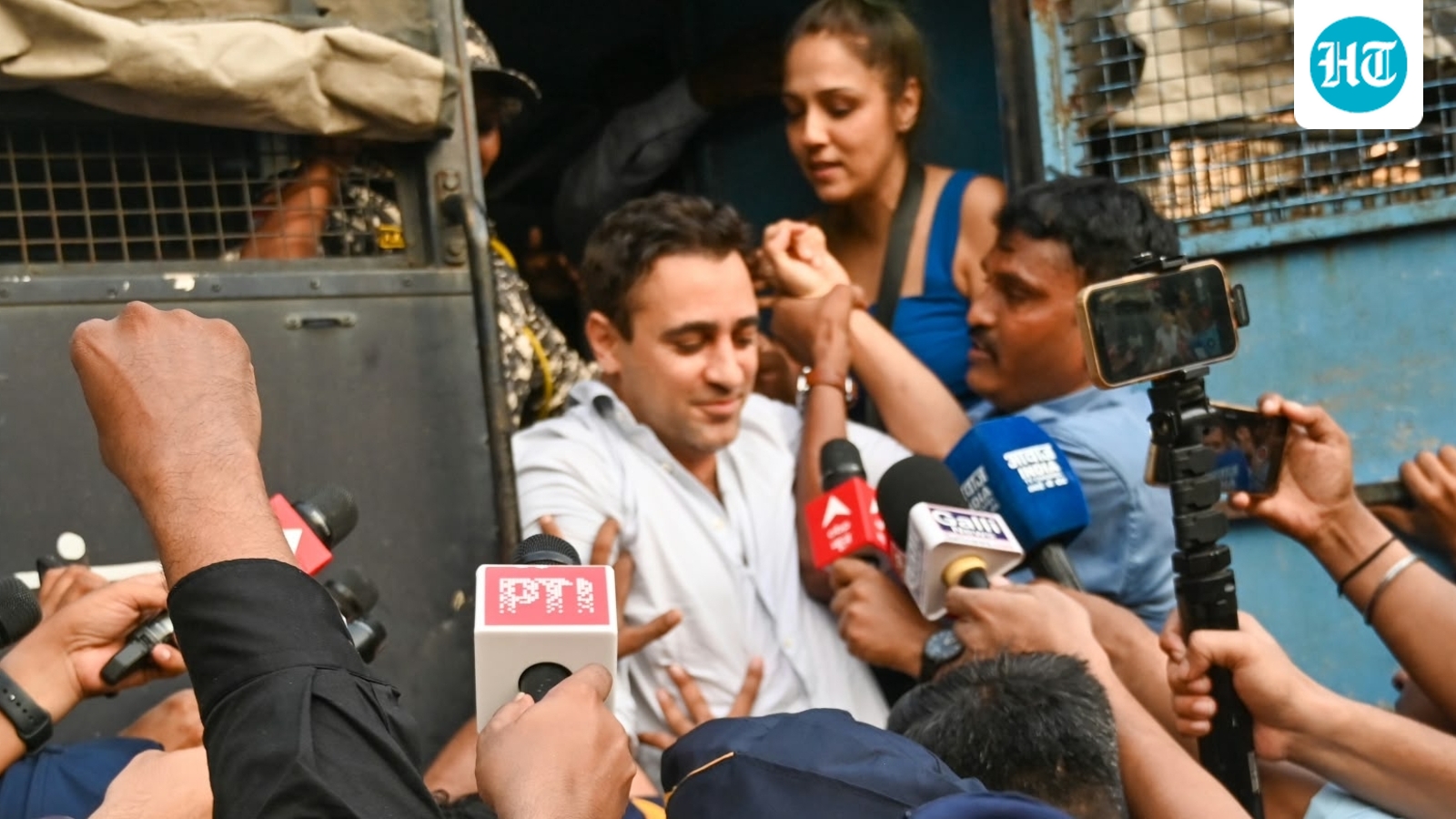
Imran Khan and two others released after detention at Mumbai protest
India detains thousands as Delhi blocks protest calling for election chief to resign
Indian court orders release of three leaders of ‘cockroach’ movement
More than 1,000 detained in Delhi ahead of electoral-roll protest
India caps individual voter objections to 10 Form 7 applications

India says Starlink faces the same security checks as other providers

Kamal Haasan says India will decide its own Starlink policy

Mann condemns Delhi Police over video at Bangla Sahib
Kangana Ranaut calls CJP protesters ‘anti-national forces’