

Politics · Spain · 1 hr ago
Spain’s Supreme Court keeps voting suspension for citizens under Grandchildren Law
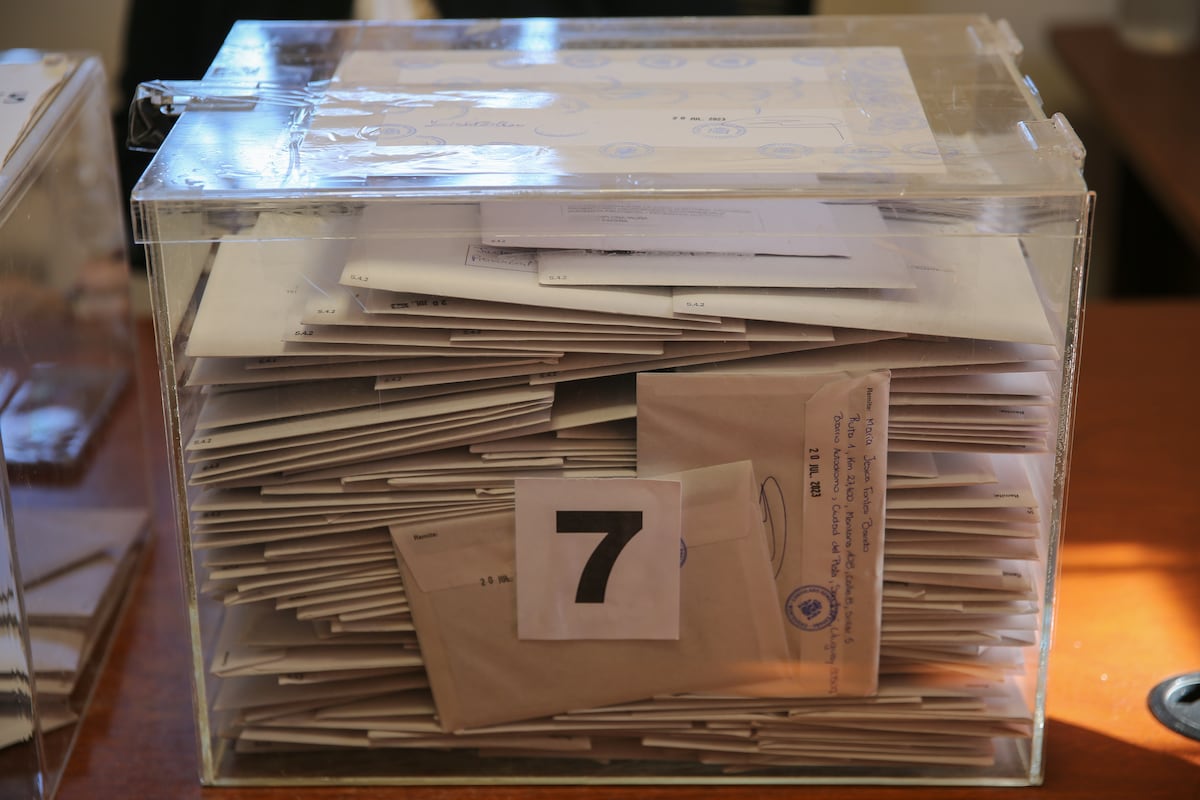
Spain’s Supreme Court has kept a temporary suspension on voting rights for people who became Spanish citizens under the Grandchildren Law.
The ruling means they cannot vote in the Nov.
29 election.
The suspension applies to citizens registered through an instruction that implements the law, including people on the overseas resident electoral register.
The court had imposed the measure on Sept.
10, and it rejected the State Attorney’s Office appeal to lift it.
The State Attorney’s Office and prosecutors had argued that reviewing nearly 170,000 affected cases was not practically possible.
The government has criticized the decision, and Interior Minister Fernando Grande-Marlaska said the State Attorney’s Office would consider whether the court’s measure is final.
The Supreme Court’s decision included a dissent from one of the six judges on the panel.

Spain’s Supreme Court has kept in place a temporary suspension of voting rights for people who obtained Spanish nationality under the Grandchildren Law.
They will not be able to vote in the general election on 29 November.
The court rejected appeals by the State Attorney’s Office and the Public Prosecutor’s Office to lift the suspension.
The court said protecting the accuracy of the electoral register takes priority over individual interests in this case.
The Government criticised the decision, and one of the six judges issued a dissenting opinion.
- Who
- Spanish citizens who obtained nationality under the Grandchildren Law, including descendants of exiles.
- What
- The Supreme Court kept the temporary suspension of their right to vote in place.
- When
- The decision was reported on 12 October 2026, ahead of the 29 November election.
- Where
- Spain; the suspension concerns registrations in the electoral roll for residents abroad.
- Why
- The court said the measure was needed to protect the accuracy and reliability of the electoral register.
Supreme Court majority
Government and dissenting judge Alicia Millán
Electoral safeguards
Supreme Court majority
The majority said protecting the accuracy and transparency of the electoral process takes priority over individual voting interests.
Government and dissenting judge Alicia Millán
The Government argued that keeping the suspension would violate the fundamental voting rights of thousands of people.
Time to review the register
Supreme Court majority
The majority kept the suspension in place.
Government and dissenting judge Alicia Millán
The State Attorney’s Office and Public Prosecutor’s Office said there was not enough time to review the affected register before the election.
Effect of the election date
Supreme Court majority
The majority said the early election strengthened the need to protect the electoral process.
Government and dissenting judge Alicia Millán
Millán said the election date made potential harm to affected voters’ rights irreversible.
the right to vote is not an absolute right
the preservation of the accuracy and absence of irregularities in the electoral register, which must prevail over the individual interest of the citizen
introduced a new and decisive element
It seems that the right to vote is not so relevant to some people
The Supreme Court initially imposed the temporary suspension, according to El País; 20minutos dates the measure to 10 September.
The Supreme Court rejected the State Attorney’s appeal and kept the suspension in place.
The general election is due to take place, and affected citizens will not be able to vote.
- Election date
- 29 November 2026
- Affected voters
- 163,020 people, according to the latest figures the Government gave the Supreme Court
- Court section
- Section Four of the Administrative Litigation Chamber
- Initial suspension
- 8 September according to El País; 10 September according to 20minutos
- Dissent
- Alicia Millán was the only one of six judges to dissent
Sources

Related news
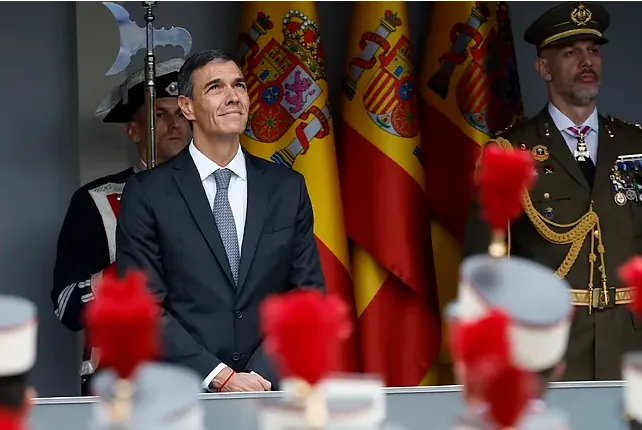
Sánchez booed at Spain’s National Day parade in Madrid

Spanish royal family leads 12 October parade in Madrid
Sánchez hopes new elections will help him advance housing crisis plans
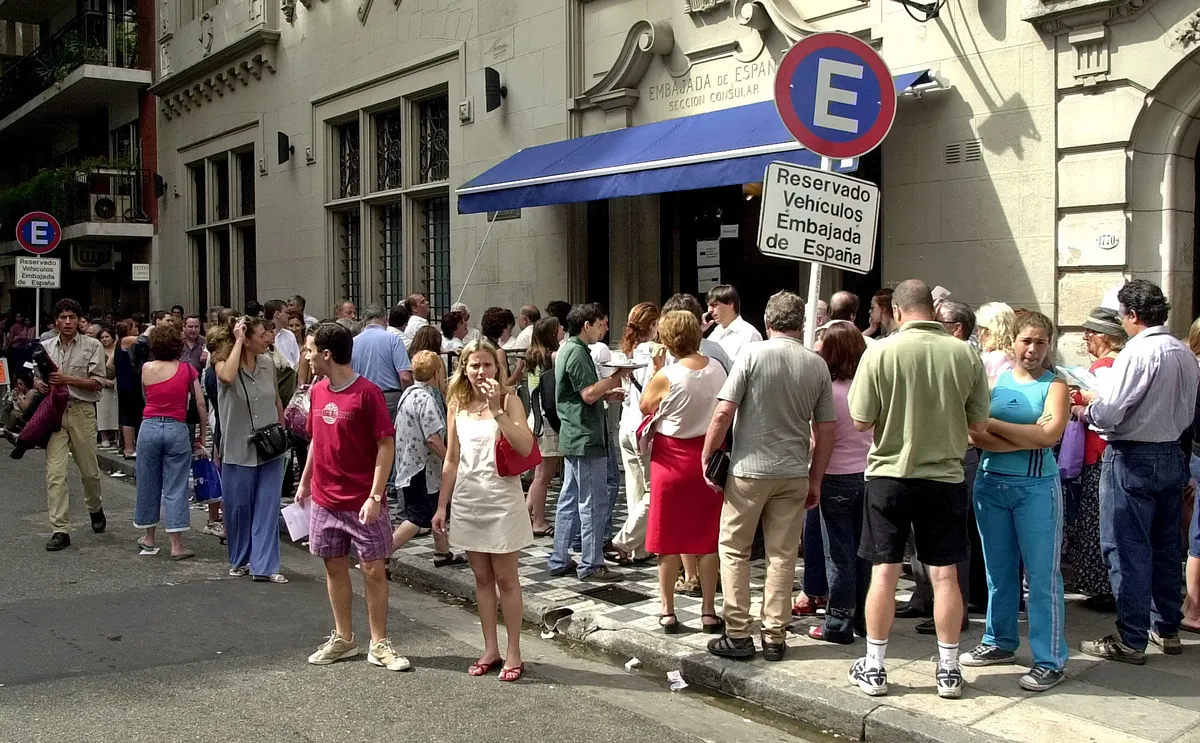
Spain’s Supreme Court keeps voting suspension for some new citizens abroad

Sánchez and Feijóo predict strong support ahead of Spain’s November 29 election

Spain’s Supreme Court limits voting rights for newly naturalized descendants of exiles

Pilar Bernabé to lead PSOE list in Valencia for Spain’s 29 November election

Spanish military parachutists complete flag jump at Madrid parade

Police separate groups after far-right demonstrators confront Madrid housing camp

Catalan leader Salvador Illa heads to Brussels for EU meetings

Mertxe Aizpurua will not run again for EH Bildu in November election
