Politics · Spain · 4 hrs ago
Spain’s Supreme Court limits voting rights for newly naturalized descendants of exiles

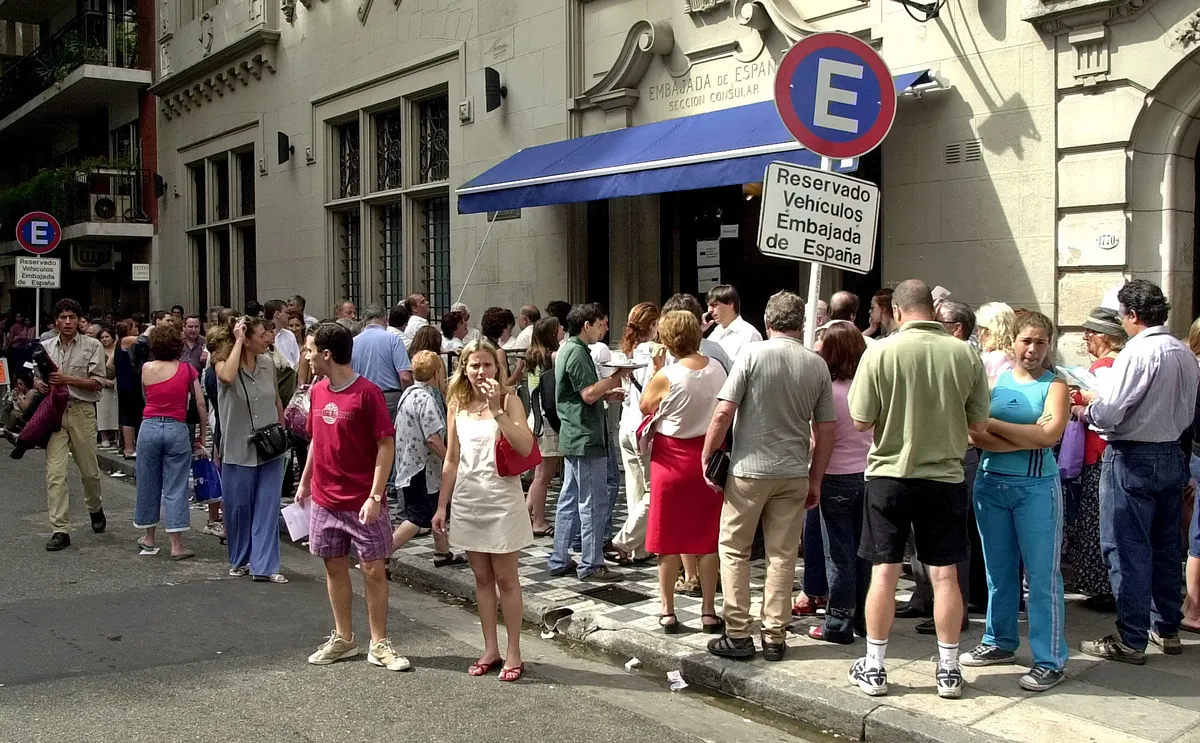
Spain’s Supreme Court has ruled on whether descendants of Spanish exiles who gained citizenship can vote in the Nov.
29 general election.
People who gained citizenship under the 2022 Democratic Memory Law can vote if they were already on the electoral register by Aug.
1.
The court kept the suspension on voting for people registered under later instructions that expanded how exile status could be established.
It also said no new voters can be added because the electoral register is closed.
The ruling rejected requests from the state’s lawyers and prosecutors to let all people naturalized under the law vote.
The court had suspended registrations while it considers challenges to the instructions, brought by Iusticia Europa and Vox, and the suspension remains in place for this election.

Spain’s Supreme Court has kept a suspension that blocks some newly naturalized descendants of exiles from voting in the 29 November elections.
Those who acquired Spanish nationality under the 2022 Democratic Memory Law and were already on the electoral register by 1 August may vote.
People covered by a later instruction who were already registered remain suspended from voting in this election.
The court also said newly naturalized people who were not registered before the census closed cannot now be added.
The ruling rejected requests from the State Attorney’s Office and prosecutors to allow all people naturalized under the law to vote.
- Who
- Descendants of Spanish exiles who acquired Spanish nationality under the 2022 Democratic Memory Law.
- What
- The Supreme Court kept voting restrictions for some newly naturalized descendants while allowing those registered by 1 August to vote.
- When
- The ruling was issued on 12 October 2026. The election is scheduled for 29 November.
- Where
- Spain.
- Why
- The court distinguished between people naturalized under the law and those covered by a later instruction, and said the electoral register had closed.
State Attorney’s Office and prosecutors
Vox and Iusticia Europa
Voting eligibility
State Attorney’s Office and prosecutors
They sought to allow all people naturalized under the so-called Law of Grandchildren to vote in the 29 November election.
Vox and Iusticia Europa
They challenged the later instruction, arguing it was invalid because it went beyond the law.
the election of political representatives must be
the electoral census is already closed
Spain’s Law of Grandchildren established a route to Spanish nationality for certain descendants of exiles.
Vox and Iusticia Europa challenged an instruction implementing the law, and the Supreme Court suspended the relevant voter registrations while it considered the appeals.
The government issued the decree calling elections to the Spanish parliament for 29 November.
The electoral register closed; people covered by the law and already registered by this date may vote.
The Supreme Court rejected requests to lift the suspension for people covered by the later instruction.
- Election date
- 29 November 2026
- Census cutoff
- 1 August 2026
- Law
- Democratic Memory Law of 2022
- Contested instruction
- Presumed exile status for some people who left Spain between 18 July 1936 and 31 December 1955
- Challengers
- Vox and Iusticia Europa
Sources
Related news

Spain’s PSOE and PP project confidence ahead of an early election
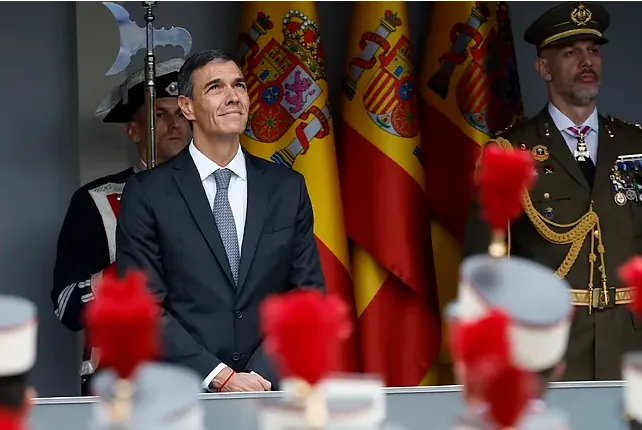
Sánchez booed at Spain’s National Day parade in Madrid

Abascal and Bardella call for tighter border controls during Ceuta visit

IU backs Ada Colau to lead a broad left-wing coalition

Spanish royal family leads 12 October parade in Madrid
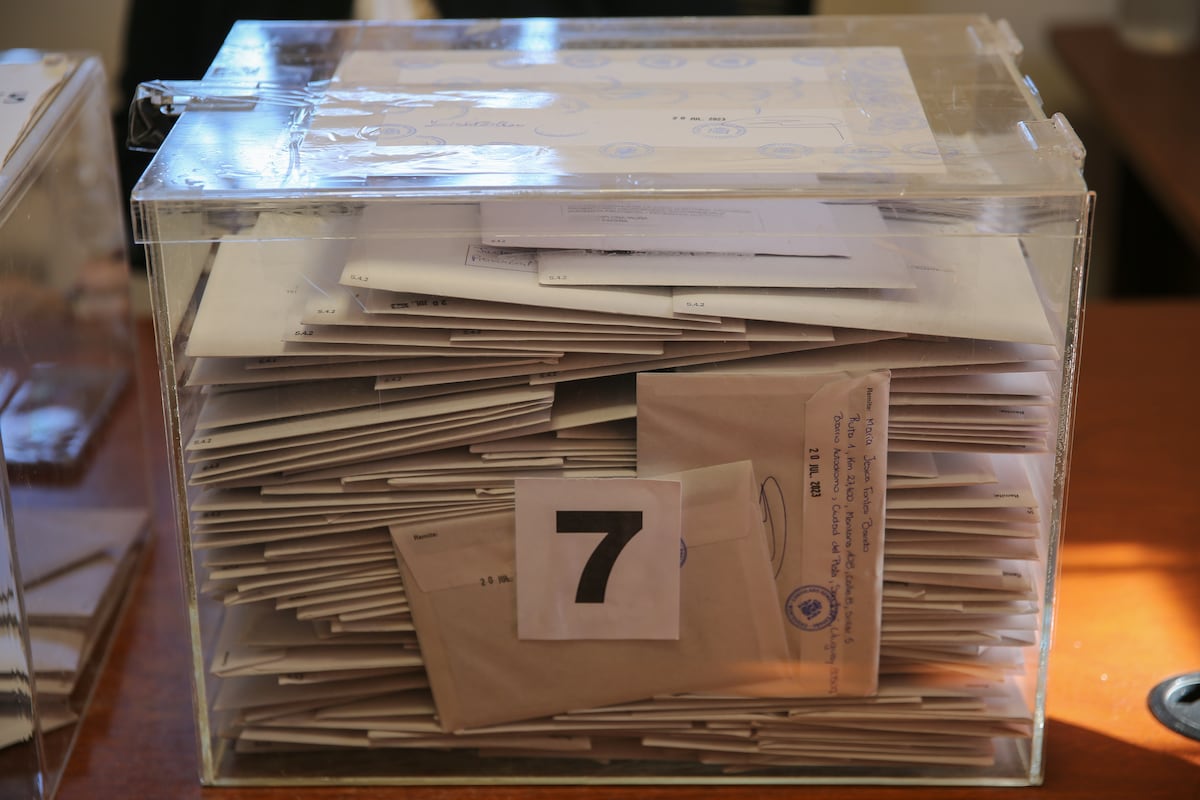
Spain’s Supreme Court keeps voting suspension for 163,020 new citizens
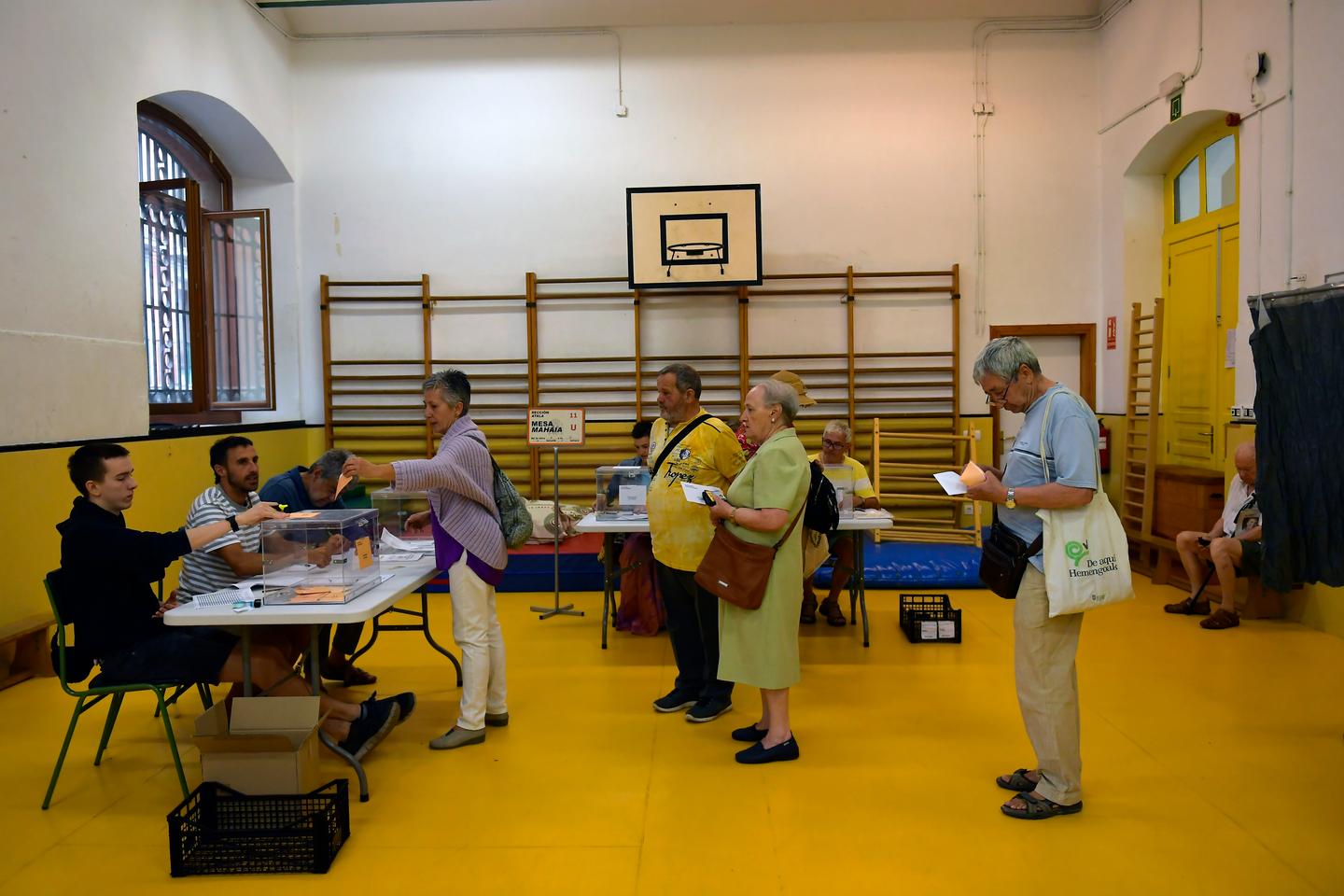
Spain keeps voting limits for some overseas citizens ahead of November election

Mertxe Aizpurua will not run again for EH Bildu in November election
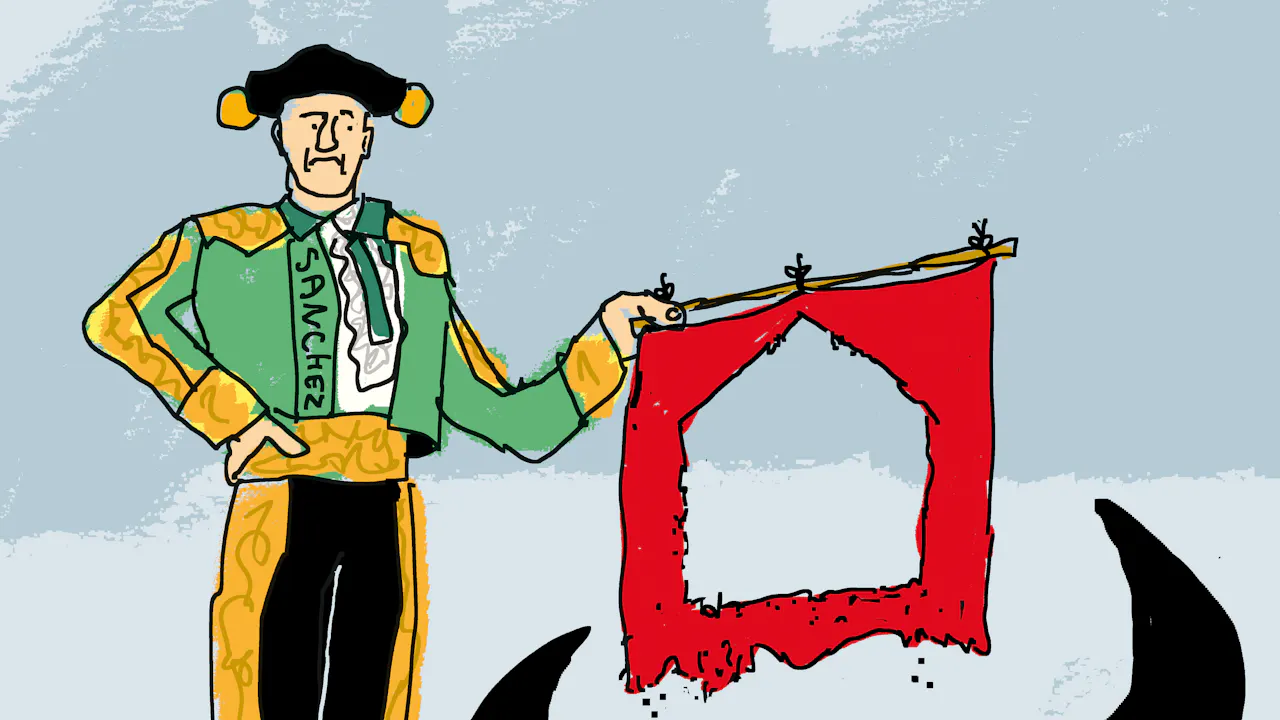
Sánchez hopes new elections will help him advance housing crisis plans

Princess Leonor keeps her military uniform at Spain’s 12 October reception

Spanish military parachutists complete flag jump at Madrid parade