

Science & Tech · Science & Environment · 3 hrs ago
Political identity shapes trust in science in Brazil, columnist argues
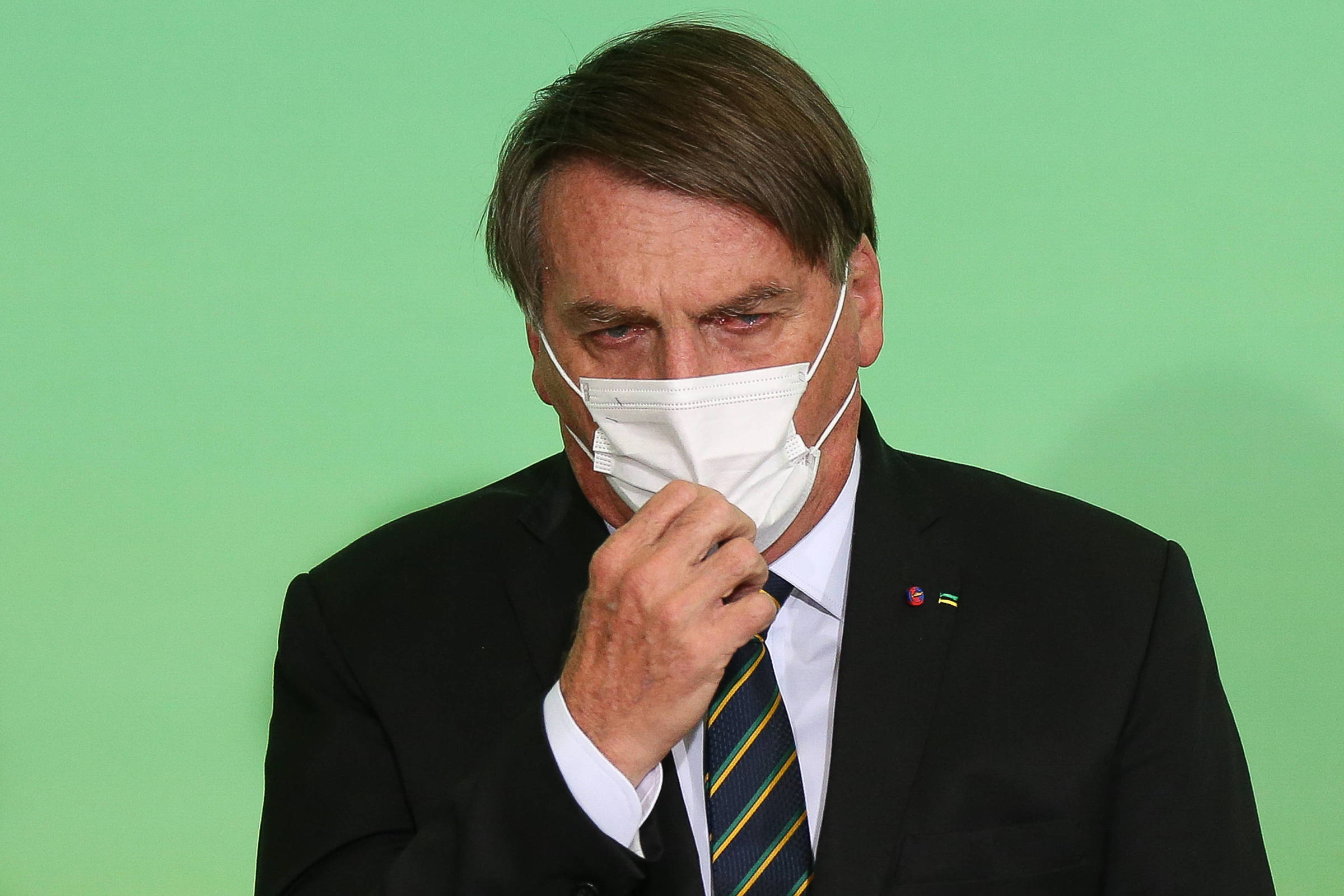
A column argues that political identity affects trust in scientists in Brazil.
A study of 72,000 people across 68 countries ranked Brazil 21st for trust, and found that trust fell more sharply among right-leaning respondents there than in any other country studied.
Some Bolsonaro supporters reject mainstream science but promote what they call patriotic science, according to research on groups on Telegram.
The column says this divide mattered during Covid-19: studies linked stronger Bolsonaro support in municipalities with lower vaccination and distancing rates and higher death rates.
Estimates presented to a congressional inquiry put the number of avoidable deaths linked to delays in buying vaccines at 95,000 to 145,000.
Flávio Bolsonaro has questioned climate science and defended early Covid treatments, while his programme would tie research funding to productive impact and move federal universities out of the Education Ministry.
The column warns that using science selectively can put lives at risk and argues that scientists must follow evidence rather than political loyalties.

A Folha columnist argues that political identity shapes trust in science in Brazil.
The article says trust falls as respondents place themselves further to the right, with the sharpest decline among countries studied.
It describes Bolsonaro-aligned groups as promoting a “patriotic science” opposed to what they see as corrupted mainstream science.
The column links pandemic-era rejection of scientific evidence to lower vaccination and distancing in municipalities with stronger Bolsonaro support, and to higher mortality.
- Who
- The Folha columnist, drawing on studies of Brazilian attitudes and Bolsonaro supporters.
- What
- The column argues that political identity influences trust in scientists and that Bolsonaro-aligned views favor a competing “patriotic science.
- When
- Published on October 13, 2026; the studies cited date from 2019 and 2020, among other years.
- Where
- Brazil, with comparisons to the United Kingdom and 68 countries.
- Why
- The columnist argues that people are more likely to trust scientists they see as being on their side.
Mainstream science
Bolsonaro-aligned “patriotic science
Who can produce trusted science
Mainstream science
The article says Bolsonaro-aligned groups describe their own doctors and studies as “patriotic science” and oppose what they regard as corrupted mainstream science.
Bolsonaro-aligned “patriotic science
The article describes mainstream science as the approach those groups challenge.
What science should do
Mainstream science
The columnist says scientists’ loyalty is to method and evidence, not to those who trust or distrust them.
Bolsonaro-aligned “patriotic science
The article says Flávio Bolsonaro favors funding areas such as technology, innovation and artificial intelligence, and tying research funding to productive impact.
A survey of 2,206 young Brazilians found that 54% considered scientists might be exaggerating about climate change.
Jair Bolsonaro called data showing rising Amazon deforestation false and suggested that INPE director Ricardo Galvão served an NGO; Galvão was dismissed.
A survey of 2,771 Brazilians found Bolsonaro supporters knew less about coronavirus and said they were less concerned about the pandemic than their opponents.
Flávio Bolsonaro discussed climate change on Jornal Nacional, saying there are cyclical periods and that extreme events are not related only to human influence.
- Brazil’s ranking
- 21st in trust in scientists among 68 countries
- Young people surveyed
- 2,206 Brazilian respondents in 2019
- Climate-change views
- 54% of those young people said scientists might be exaggerating
- Climate consensus
- More than 99.9% of 88,125 reviewed papers supported human activity as the cause
- Estimated avoidable deaths
- 95,000 to 145,000, attributed by estimates presented to the COVID-19 inquiry to delays in buying vaccines
What people are saying
A trusted scientist is one who agrees with me.
in the overwhelming majority of cases
cyclical periods
only with human influence
Sources
Related news

Honey bee stingers use two pistons to pump venom continuously

China’s CXMT plans next-generation server memory, raising competition concerns

A 1960 study predicted a population doomsday for November 13, 2026

Pacific buoy recorded a 17.6-metre rogue wave nearly three times its neighbours

Two powerful earthquakes strike the Mid-Atlantic Ridge

Study finds Sri Lanka’s cobras form a distinct genetic lineage
Long Island center restores monarch butterfly grounded by refried beans

Kerala forest research director receives international scientist award
Tiny archaeon has one of the smallest genomes ever found

Researchers propose ancient diving helped humans develop endurance

KLE Tech HackFest brings 534 students together to build solutions
