

Health · Fitness & Nutrition · 2 hrs ago
Imported aloe ferox foods in South Korea contain high levels of aloin

South Korea has imported and sold processed foods made from aloe ferox, a wild aloe that grows in southern Africa.
Tests of two imported products found aloin levels of 1,300 to 15,000 milligrams per kilogram.
That is 130 to 1,500 times the 10-milligram limit for aloe health supplements.
Aloin can stimulate bowel movements, but it has also been linked to concerns including stomach cramps, acute hepatitis and possible genetic and cancer risks.
South Korea has no safety limit for aloin in ordinary foods, and imports have entered the country as general food products rather than health supplements.
Import records show 28 shipments in 2025, compared with 15 in 2023, and 10 by August 2026.
The food safety agency has recommended that the companies stop importing and distributing the products and is checking how concentrated the ingredients are.

Imported processed foods containing Aloe ferox in South Korea were found to contain aloin at levels up to 1,500 times the limit for aloe health functional foods.
Tests of two imported products found aloin concentrations of 1,300 to 15,000 milligrams per kilogram.
Unlike health functional foods, ordinary foods have no aloin safety limit or testing standard in South Korea.
Imports of Aloe ferox in ordinary-food categories increased from 15 cases in 2023 to 28 in 2025.
South Korea’s food safety agency recommended that the companies involved stop importing and distributing the products.
- Who
- South Korea’s food safety agency tested two imported Aloe ferox products; lawmaker Nam In-soon raised concerns about the findings.
- What
- The products contained aloin at 1,300 to 15,000 milligrams per kilogram, up to 1,500 times the health-functional-food limit.
- When
- The findings were reported on October 13, 2026. Import figures in the report cover 2022 through August 2026.
- Where
- South Korea.
- Why
- Ordinary foods have no aloin content safety standard or testing specification, leaving a regulatory gap.
This story does not have two clearly opposing sides.
Imports of Aloe ferox in ordinary-food categories totaled 15 cases.
Imports in ordinary-food categories totaled 28 cases.
Imports recorded for the year to date totaled 10 cases.
The report disclosed test results showing aloin levels of 1,300 to 15,000 milligrams per kilogram in two imported products.
- Tested aloin levels
- 1,300–15,000 mg/kg
- Health-functional-food limit
- 10 mg/kg or less
- Ratio to limit
- 130–1,500 times
- Ordinary-food import cases
- 28 in 2025
- Imports to August 2026
- 10 cases
What people are saying
Restrictions on the use of high-risk ingredients disguised as ordinary foods should be introduced, and overall safety standards should be revised quickly.
Sources
Related news

Five dinner and bedtime changes may help reduce nighttime reflux

Study examines whether 10 minutes of daily movement affects sleep and mood
Nordic Diet Linked to Lower Risk of Death in Swedish Study

Woman in Los Angeles uses mayonnaise as a hair mask

Headline raises coffee use with blood pressure medicine
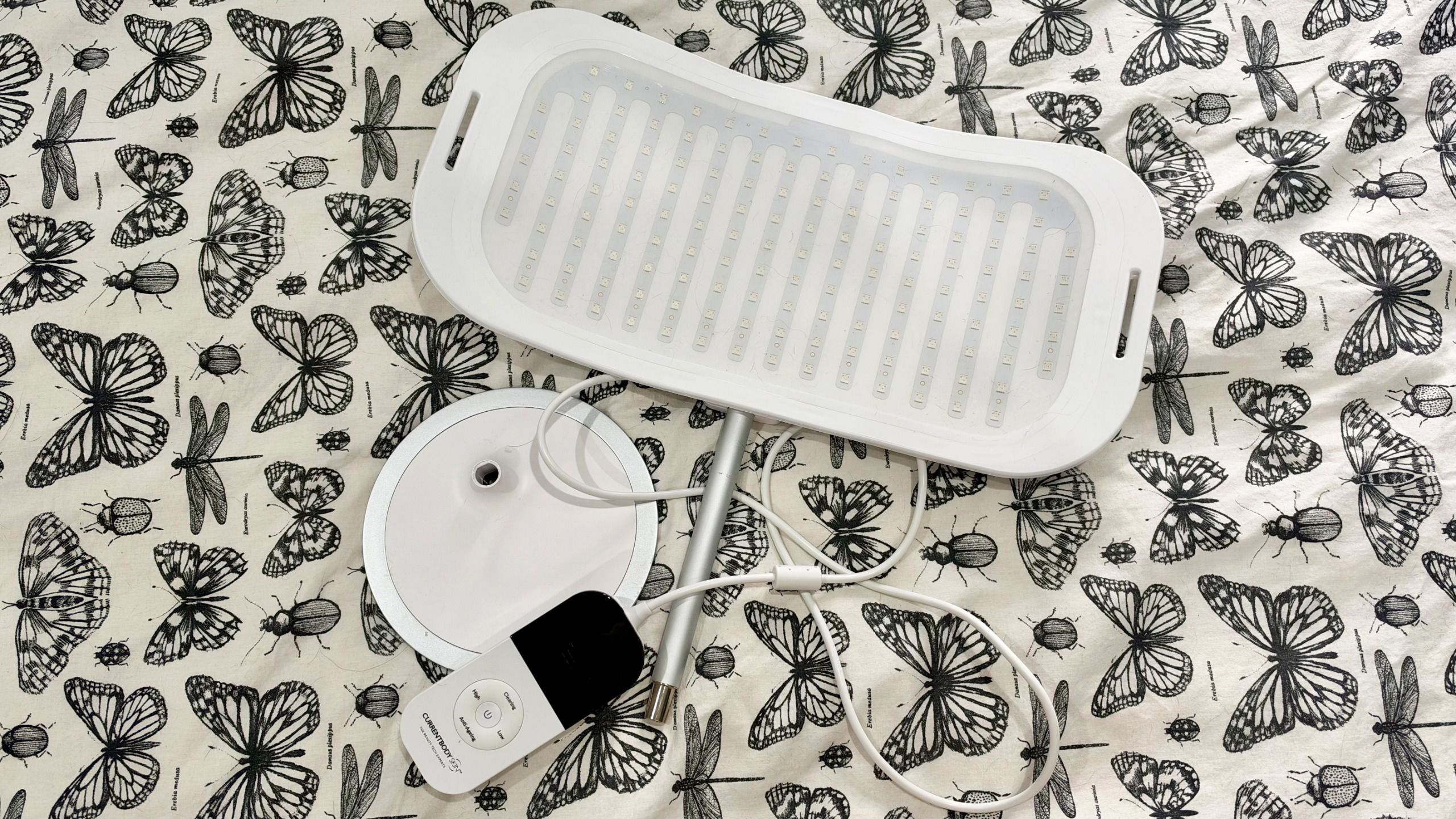
Reviewer says CurrentBody LED panel improved skin after eight weeks of use

Writer Says Coop’s Adjustable Pillow Relieved Her Neck Pain After Three Months

Muscle and liver cells may retain benefits of past exercise

Dynamic stretches may help boost energy during morning grogginess or an afternoon slump

Heel Condition Sidelined Runners, Sometimes Requiring Surgery

Argentine experts urge shared meals to help shape young people’s eating habits
