

Health · Fitness & Nutrition · 1 hr ago
Five dinner and bedtime changes may help reduce nighttime reflux
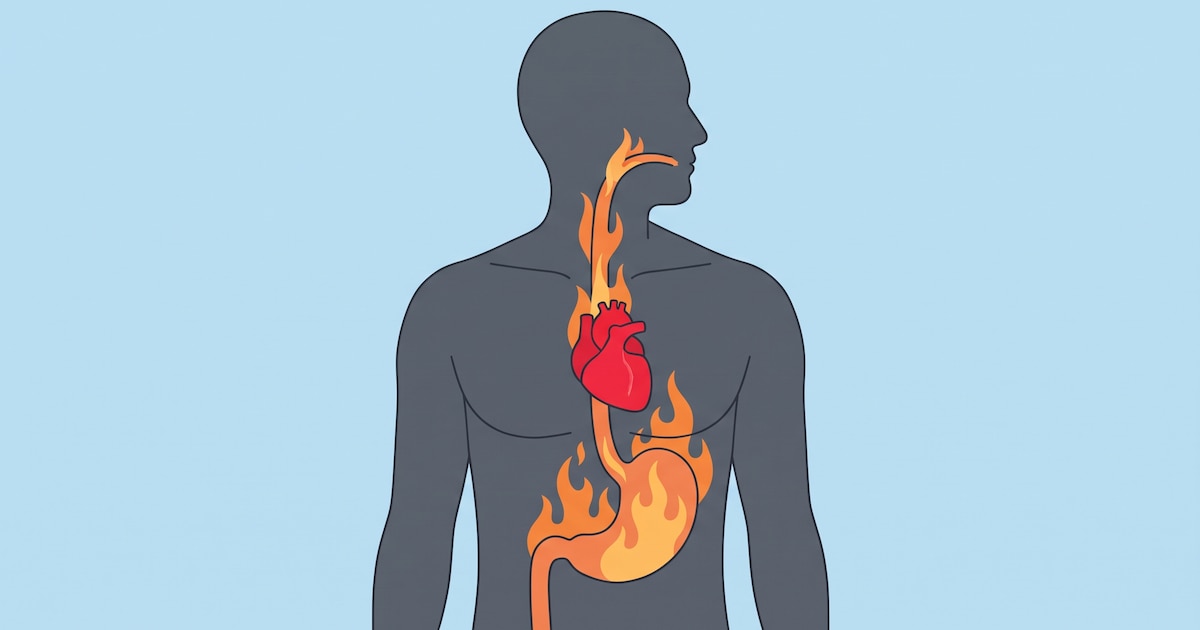
Nighttime heartburn happens when stomach contents flow back into the esophagus, and lying flat can make this more likely.
The guidance discussed by medical institutions recommends avoiding food for at least three hours before going to bed.
Smaller meals and lighter, protein-rich choices instead of high-fat foods may also help.
Some foods and drinks, including spicy foods, chocolate, citrus, tomatoes, coffee, alcohol and fizzy drinks, can trigger symptoms, but reactions differ from person to person.
People are advised to track their own triggers rather than cut out these foods automatically.
For regular nighttime symptoms, raising the head of the bed with a wedge or by lifting the upper body may help; ordinary extra pillows do not have the same effect.
Anyone with reflux symptoms should seek advice from a medical specialist.

Medical guidance cited by Infobae says changes to dinner timing, food choices and sleeping position may help reduce nighttime reflux.
The Asociación Mexicana de Gastroenterología recommends avoiding food for three hours before lying down to sleep.
A study cited in the article found that people who lay down within three hours of dinner were 7.45 times more likely to have nighttime heartburn than those who waited four hours or more.
The Mayo Clinic recommends smaller meals and raising the head of the bed for people with regular nighttime heartburn.
The article advises identifying personal food triggers rather than eliminating listed foods for everyone.
- Who
- People experiencing nighttime reflux or heartburn.
- What
- Medical guidance describes five changes that may reduce symptoms: leave time between dinner and sleep, choose lighter meals, eat smaller portions, identify personal food triggers and raise the head of the bed.
- When
- Before bedtime; the guidance recommends not eating during the three hours before lying down.
- Where
- Not stated
- Why
- A full stomach and lying horizontally can make stomach contents move back into the esophagus; some foods and drinks are also associated with reflux symptoms.
This story does not have two clearly opposing sides.
This story does not have a timeline yet.
- Dinner-to-bed interval
- Avoid eating in the three hours before lying down
- Study finding
- Lying down within three hours of dinner was associated with 7.45 times greater likelihood of nighttime heartburn than waiting four hours or more
- Meal size
- Mayo Clinic recommends several small portions instead of large meals
- Food triggers
- Examples include spicy food, chocolate, citrus, tomatoes, coffee, alcohol and carbonated drinks
- Bed position
- Mayo Clinic recommends elevating the head of the bed for regular nighttime heartburn
Sources
Related news

Imported aloe ferox foods in South Korea contain high levels of aloin

Study examines whether 10 minutes of daily movement affects sleep and mood
Nordic Diet Linked to Lower Risk of Death in Swedish Study

Woman in Los Angeles uses mayonnaise as a hair mask
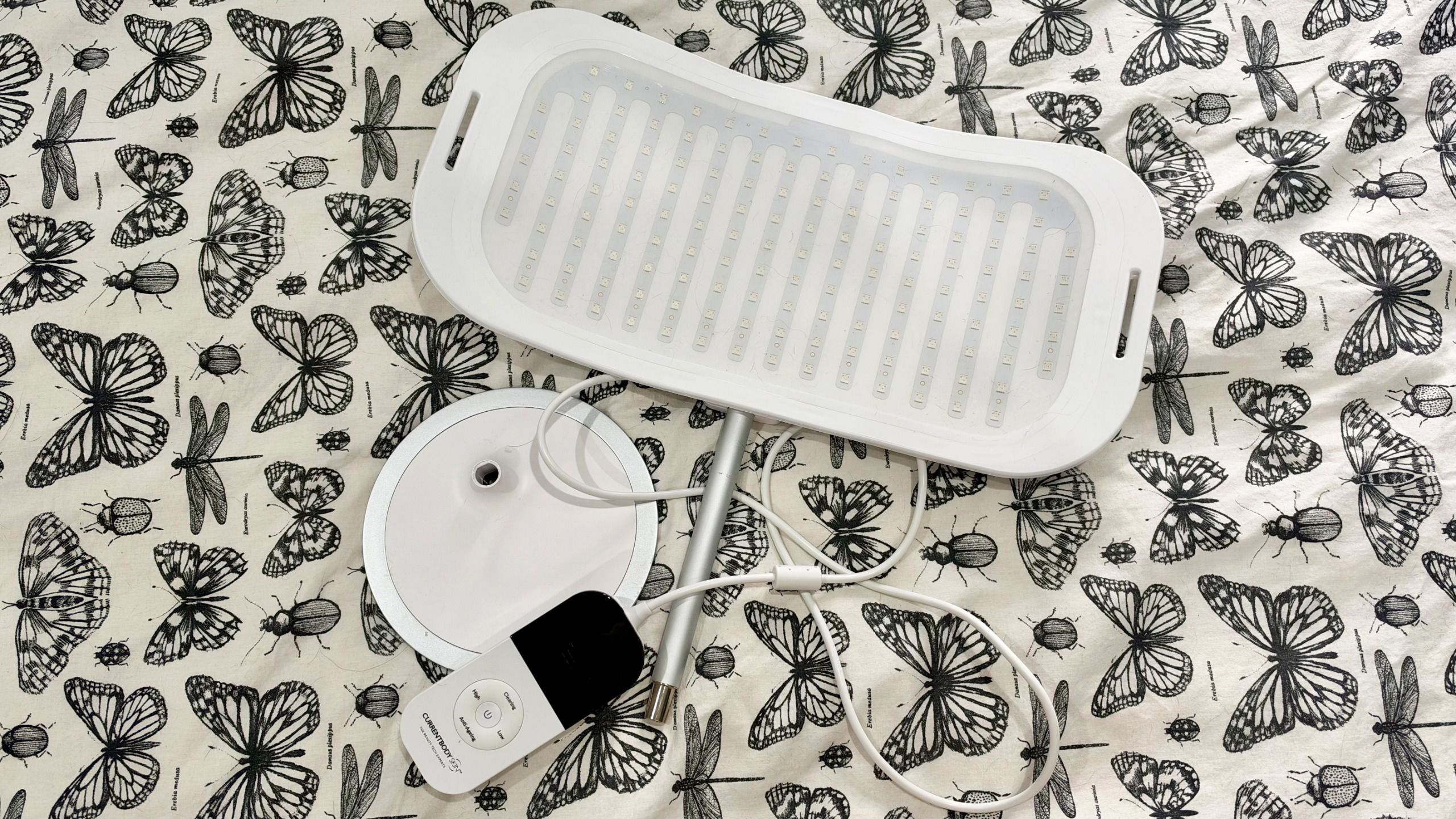
Reviewer says CurrentBody LED panel improved skin after eight weeks of use

Writer Says Coop’s Adjustable Pillow Relieved Her Neck Pain After Three Months

Dynamic stretches may help boost energy during morning grogginess or an afternoon slump

Heel Condition Sidelined Runners, Sometimes Requiring Surgery

Muscle and liver cells may retain benefits of past exercise

Argentine experts urge shared meals to help shape young people’s eating habits

Chennai centre to offer free bone health checks on October 20
