Business · Markets · 2 days ago
Luxury goods face pressure from Chinese taxes and weaker US spending
The global luxury goods industry is facing new pressure as wealthy Chinese shoppers face tax measures and US spending shows signs of weakening.
China has told people who used overseas trusts to protect assets to disclose their tax obligations and pay back taxes by October 22.
Analysts say the 20% tax could lead some very wealthy shoppers to delay expensive purchases.
Chinese consumers account for about one-fifth of global luxury purchases, and demand there has already weakened amid slow economic growth and a property crisis.
In the United States, luxury purchases tracked through credit card spending fell for a third consecutive month in August.
The uncertainty is weighing on major European brands, whose shares have fallen sharply this year.
Markets are awaiting results from major European luxury groups in the coming days, while the effects of the war on Iran add to concerns about consumer confidence and the industry’s recovery.

China’s new tax measures on wealthy people and signs of weaker US consumer spending are adding pressure to the global luxury goods industry.
The industry is valued at about $350 billion and has been in a prolonged downturn for three years.
Chinese authorities have required some wealthy people to disclose tax liabilities and pay back taxes by October 22.
Chinese consumers account for about one-fifth of global luxury purchases.
US credit-card data tracked by Citi showed luxury purchases falling for a third consecutive month in August.
- Who
- Global luxury brands and their wealthy customers, particularly in China and the United States.
- What
- New Chinese tax measures and weaker US luxury spending are putting further pressure on the industry.
- When
- The article was published on October 9, 2026; some Chinese taxpayers must pay back taxes by October 22.
- Where
- China and the United States, with effects on major European luxury brands.
- Why
- The tax measures may curb spending by wealthy Chinese buyers, while signs of weaker US consumer demand threaten another key market.
This story does not have two clearly opposing sides.
This does not mean they will stop buying luxury goods altogether, but the current consumer mood does not encourage spending.
Chinese luxury demand has declined amid economic slowdown and weak confidence linked to the property crisis.
Shopping-centre data in mainland China showed a sharp slowdown in sales growth.
Citi-tracked credit-card data showed US luxury purchases falling for the third consecutive month.
Deadline for affected wealthy taxpayers in China to disclose liabilities and pay back taxes.
- Industry value
- About $350 billion
- Chinese consumers’ share
- About one-fifth of global luxury purchases
- Chinese tax rate
- 20 per cent
- Tax payment deadline
- October 22
- LVMH and Hermès shares
- Each down about 40 per cent since the start of the year
Sources
Related news

Amazon in talks to buy AI startup Decart for about $7 billion

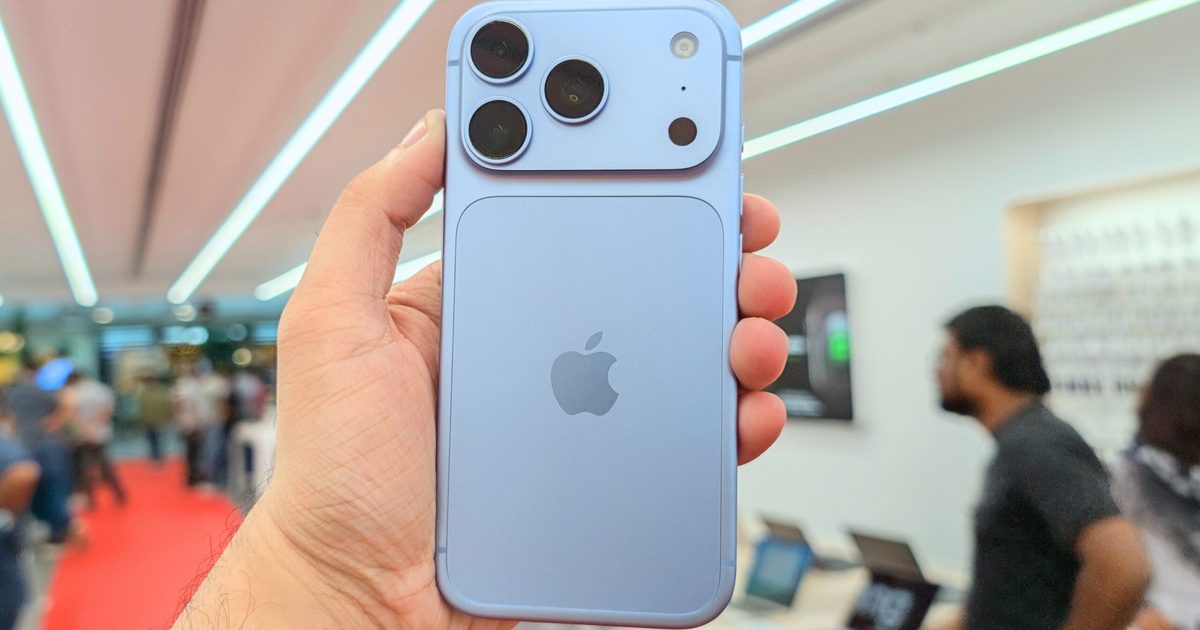
Apple reportedly cuts iPhone 18 Pro component orders by up to 20%

SpaceX spectrum deal deepens Starlink’s push into U.S. mobile service

Starbucks has explored a possible takeover of Chipotle

Netflix reportedly plans to cut 5% of its workforce

Meta bans ByteDance ads across its platforms in seven countries

Los Angeles Fine-Dining Restaurants Expand Non-Alcoholic Pairings

Isaias Shuts In More Than Two-Thirds of Gulf Oil Production
Bond Traders Look to Inflation Data and Fed Chair for Rate Signals
Apple reportedly cuts iPhone 18 Pro component orders by up to 20%

Nvidia in talks over investment in or acquisition of Reflection AI