

World · Europe · 1 day ago
Russian attacks disrupt Ukraine’s medicine supply and strain hospitals
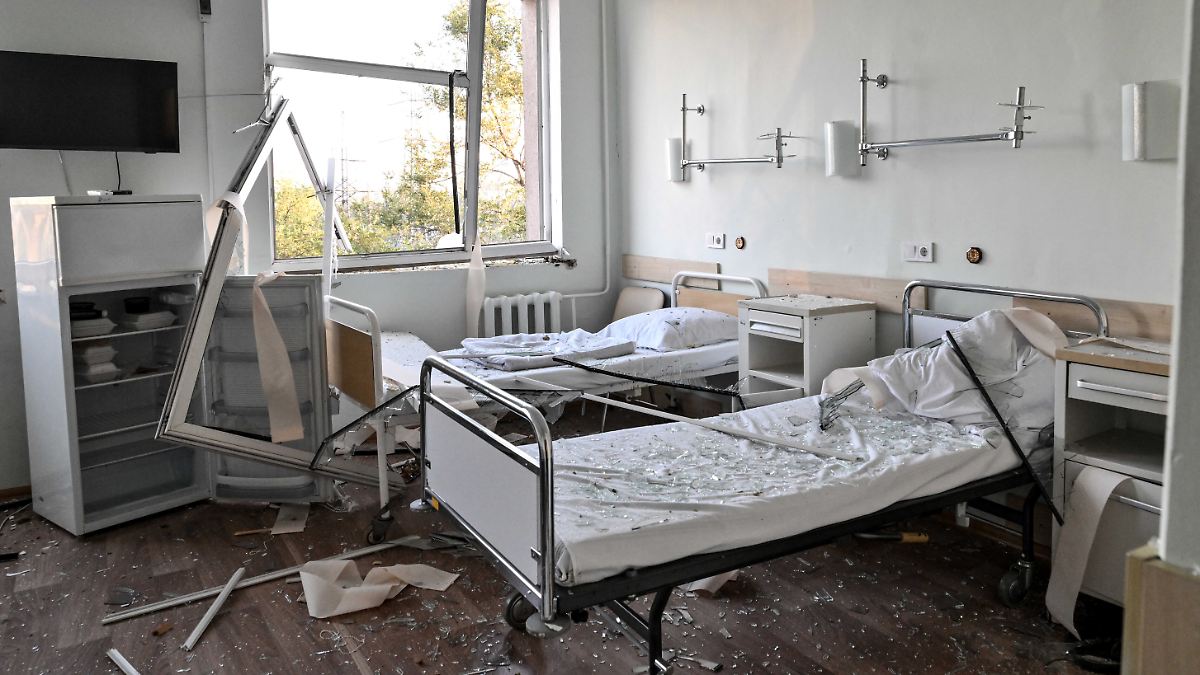
Russian attacks have damaged medicine warehouses and infrastructure that keeps some drugs cold.
This has made it harder to get medicines to pharmacies and patients, especially near the front line.
Some common drugs have been in short supply, and delivery changes have raised prices by about 10 percent since summer.
Emergency supplies from the EU have helped prevent a long-term, nationwide shortage, but patients and hospitals remain at risk.

Russian attacks on pharmaceutical warehouses and energy infrastructure are disrupting medicine supplies in Ukraine and putting pressure on hospitals.
In Kyiv, Cardio-Aspirin was unavailable at every pharmacy during the week of the report, and the manufacturer said supplies were expected to return in the second half of October.
Attacks on warehouses have contributed to shortages of medicines for conditions including thyroid disease, diabetes, HIV, tuberculosis and cancer.
The changes needed to medicine distribution have raised prices of commonly used drugs by about 10% since summer.
Ukrainian figures cited in the report say 340 areas in 127 medical facilities have been destroyed, while 3,000 areas in 850 facilities have been damaged.
- Who
- Russian forces have attacked pharmaceutical warehouses and energy infrastructure in Ukraine. Ukrainian patients and hospitals are affected.
- What
- Attacks and logistical problems are disrupting medicine supplies and straining hospitals.
- When
- The attacks intensified in August and September; the report was published on October 10, 2026.
- Where
- Ukraine, including Kyiv and regions near the front.
- Why
- The report says attacks on distribution centres, warehouses and energy supplies have disrupted medicine logistics and storage.
This story does not have two clearly opposing sides.
No direct quotes in the coverage so far.
Changes to medicine logistics have pushed prices of commonly used medicines up by about 10%.
Attacks on pharmaceutical infrastructure intensified.
Russian attacks hit several pharmaceutical warehouses, including a major logistics centre in Kyiv region.
Cardio-Aspirin was unavailable at pharmacies across Kyiv.
Bayer said cardiology medicines were expected to become available again.
- Cardio-Aspirin
- Unavailable at every Kyiv pharmacy during the week of the report
- Expected medicine availability
- Cardiology medicines expected to return in the second half of October
- Medicine price increase
- About 10% since summer
- Pharmaceutical distributors
- Optima-Pharm and BaDM account for around three quarters of medicine deliveries to Ukrainian pharmacies combined
- Destroyed medical facility areas
- 340 areas in 127 facilities
- Damaged medical facility areas
- 3,000 areas in 850 facilities
Sources
Related news

Trump says Russia and Ukraine agreed to energy ceasefire
Zelensky says Ukraine can hold elections after a 60-day ceasefire

Trump announces energy ceasefire, but Ukraine says it was not consulted

Experts say Russian diesel deal unlikely to lower US fuel prices

Russian strikes hit Ukrainian energy sites after Trump ceasefire claim

Young people share lessons from Samuel Paty murder trial with students

Suspect arrested over planned attack on Polish Prime Minister Donald Tusk

Trump calls for Ukraine to replace Zelenskyy over Russian diesel deal
Drone attacks in Russia’s Belgorod Region kill one and injure three

Drone strikes damage two Yandex data centers in Russia

Drone attack shuts down Yandex data centre in Russia’s Vladimir region
