

Business · Companies · 1 day ago
US patients increasingly refuse medical bills as unpaid balances rise
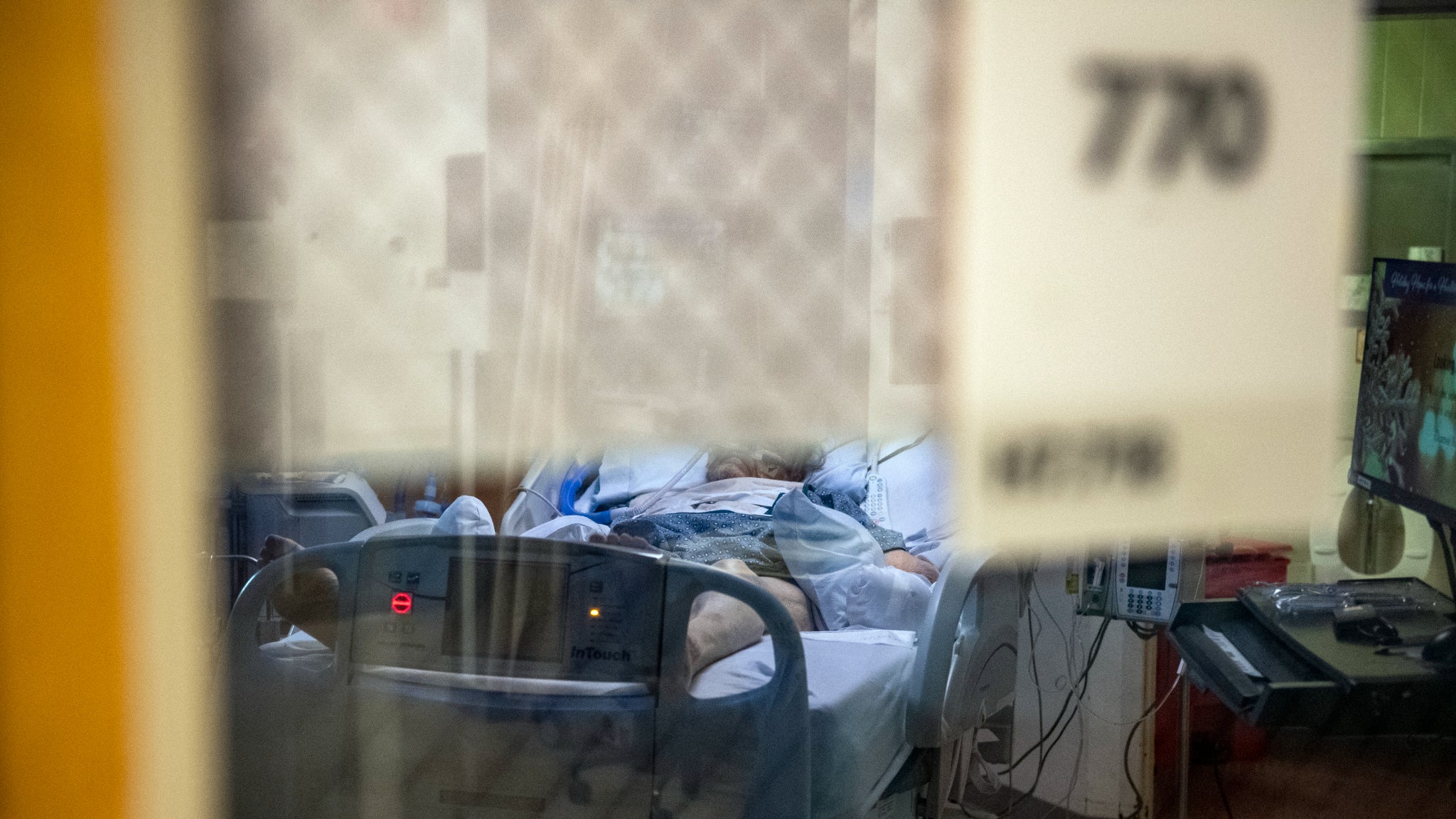
Americans are posting videos about refusing to pay medical bills or trying to lower them.
One widely viewed TikTok video showed Ian Howard protesting a $1,000 emergency-room bill after doctors diagnosed a sprained ankle.
Posts about not paying medical bills surged on social media, and a separate estimate found unpaid and late hospital payments rose 16% in the first half of the year.
The trend comes as many people face high deductibles, incomplete insurance coverage and difficulty paying for care.
Bills under $500 do not affect a person's credit score, which can make some patients less worried about leaving them unpaid.
Influencers also share ways to check bills for errors and ask for itemized charges.
Hospitals are losing tens of millions of euros, and the growing number of unpaid bills is a concern for them.

Videos of Americans refusing to pay medical bills or sharing ways to reduce them have spread across social media.
A TikTok video by Ian Howard, who said he would not pay a $1,000 emergency-room bill for an ankle sprain, was viewed more than 3.2 million times.
Sprout Social estimated that 426,000 posts about not paying medical bills appeared across social media in the three months covered by its analysis, compared with 1,163 in 2025.
A report by Kaufmann Hall and Vizient found that hospitals’ unpaid and late payments rose 16% in the first half of the year.
Influencers advise viewers to check itemized bills for errors and, in some cases, to delay payment; the trend is worrying hospitals, which the article says are losing tens of millions of euros.
- Who
- American patients and social media influencers; hospitals are affected.
- What
- Online videos are encouraging Americans to refuse or reduce payment of medical bills.
- When
- The trend has grown in recent months; the report cited a 16% rise in unpaid and late payments in the first half of the year.
- Where
- The United States, across social media platforms.
- Why
- High medical costs, large insurance deductibles and reduced insurance coverage are contributing to patients’ reluctance to pay.
Patients and influencers
Hospitals
Medical bills
Patients and influencers
Patients and influencers describe bills for treatment as excessive and encourage people to check charges and seek reductions.
Hospitals
Hospitals face rising unpaid and late payments, which the article says are costing them tens of millions of euros.
Whether to pay
Patients and influencers
Some influencers advise delaying payment or refusing to pay, including until a bill is sent to a collection agency.
Hospitals
The article reports that hospitals are concerned about the spread of videos promoting nonpayment.
Vous n'allez jamais voir cet argent!
J'ai l'impression que les gens se sont reconnus
Ne payez pas vos factures tant que vous n'avez pas fait ça
Je viens de faire passer ma facture de 1.500 dollars à 1.100!
Ian Howard posted a TikTok video saying he would not pay a $1,000 emergency-room bill for an ankle sprain.
Videos about refusing or reducing medical bills spread across social media.
Sprout Social counted 426,000 posts related to not paying medical bills.
A Kaufmann Hall and Vizient report recorded a 16% rise in unpaid and late payments.
- Ian Howard's emergency-room bill
- $1,000 for an assessment that identified an ankle sprain
- Views of Howard's video
- More than 3.2 million
- Posts counted by Sprout Social
- 426,000 over three months, compared with 1,163 in 2025
- Change in unpaid and late payments
- Up 16% in the first half of the year, according to Kaufmann Hall and Vizient
- Medical bills and credit scores
- Unpaid medical bills under $500 do not affect credit scores
Sources
Related news

Los Angeles Fine-Dining Restaurants Expand Non-Alcoholic Pairings

Apple reportedly cuts iPhone 18 Pro component orders by up to 20%

Bond Traders Look to Inflation Data and Fed Chair for Rate Signals

SpaceX spectrum deal deepens Starlink’s push into U.S. mobile service

Starbucks has explored a possible takeover of Chipotle

Netflix reportedly plans to cut 5% of its workforce

Meta bans ByteDance ads across its platforms in seven countries

OpenAI revenue revision rattles tech stocks as AI investment continues

Isaias Shuts In More Than Two-Thirds of Gulf Oil Production
NPR plans newsroom reorganization with no job losses, content chief says
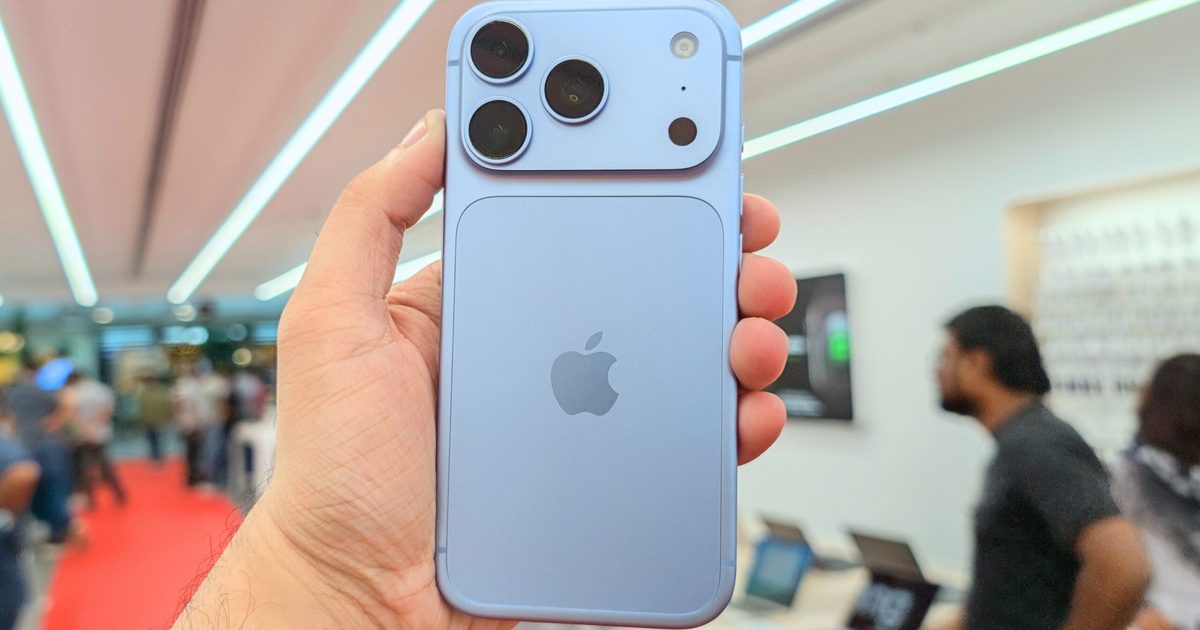
Apple reportedly cuts iPhone 18 Pro component orders by up to 20%
