

Health · Healthcare & Policy · 6 hrs ago
678 children and pregnant women in Yakutia receive glucose monitors

Yakutia has provided continuous glucose monitors to 678 people with type 1 diabetes: 324 children and 354 pregnant women, as of October 1, 2026.
The devices track changes in blood glucose levels and can alert users when levels rise or fall.
The program is part of a national project to combat diabetes in Russia.
The region is also expanding remote health monitoring for people with diabetes and high blood pressure, so medical staff can review their data and adjust treatment.
Health workers are screening patients for eye and kidney complications and offering education and advice in local districts.
These efforts aim to spot problems early and reduce diabetes complications.

Yakutia reported that 324 children and 354 pregnant women with type 1 diabetes had glucose monitoring systems as of October 1, 2026.
The systems allow users to track changes in glucose levels and respond to readings that are too high or too low.
The provision is part of the federal project “Fight Against Diabetes,” under the national project “Long and Active Life.”
The republic is also expanding remote health monitoring for people with diabetes and hypertension.
- Who
- 324 children and 354 pregnant women with type 1 diabetes in Yakutia.
- What
- They have been provided with continuous glucose monitoring systems.
- When
- The figures were reported as of October 1, 2026.
- Where
- Yakutia, Russia.
- Why
- The systems track glucose changes and help people respond to abnormal readings. Their provision is part of a federal diabetes project.
This story does not have two clearly opposing sides.
Yakutia’s reported figures showed that 324 children and 354 pregnant women had glucose monitoring systems.
Ulus.media published the report on the systems provided in Yakutia.
- Children
- 324 provided with systems
- Pregnant women
- 354 provided with systems
- Date of figures
- October 1, 2026
- Project
- Federal “Fight Against Diabetes” project
- National project
- Long and Active Life
What people are saying
When the sugar rises, it sends a signal, and if it falls, it signals too, so we wake up and give an injection or sometimes give food—juice, bread—to raise the sugar.
I want to express my enormous gratitude to the endocrinologists at the Regional Endocrinology Center.
The Regional Endocrinology Center is the “anchor” institution of our endocrinology service.
Sources
Related news

Alignment Healthcare sues over 2027 Medicare Advantage star ratings
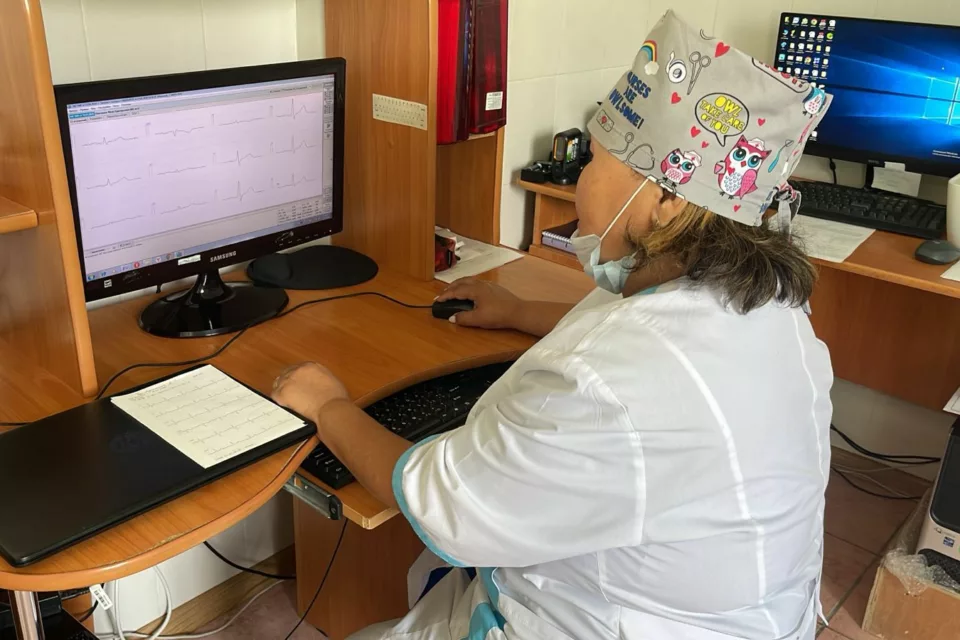
More than 20,000 people in Yakutia received remote health monitoring

Asti healthy ageing project presented as European good practice

Europa Donna calls for consistent care for metastatic breast cancer in Italy
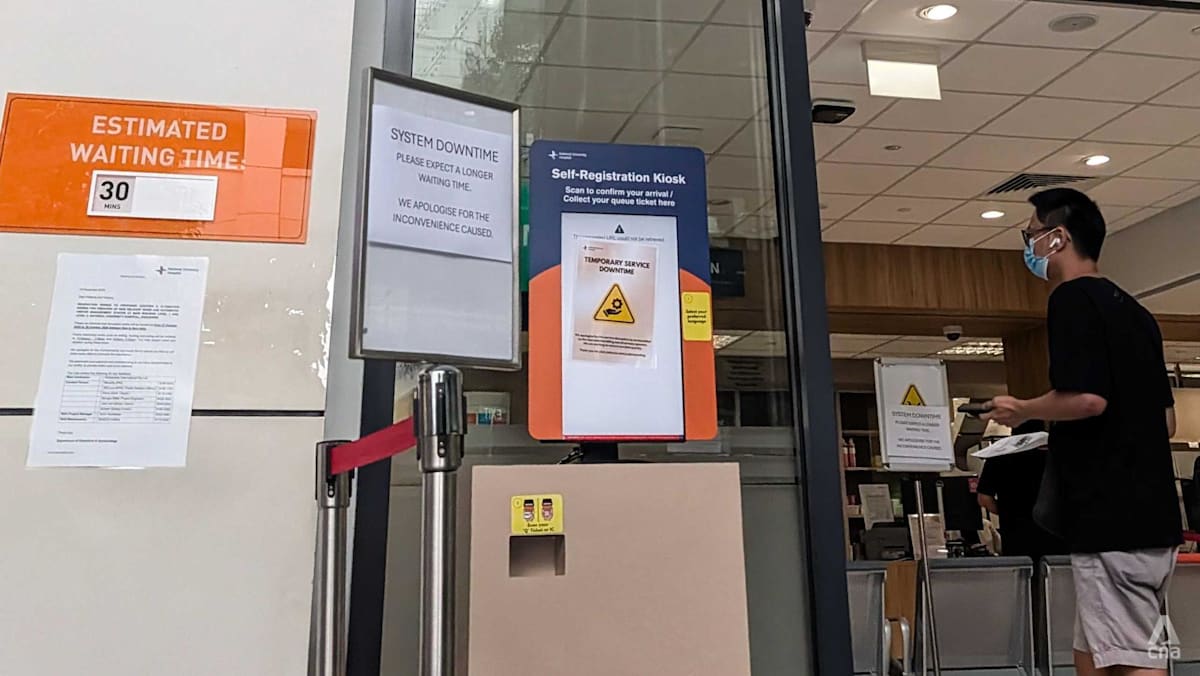
Singapore public healthcare services recover after network disruption
Nearly 40 patients evacuated after fire at Georgia rehabilitation hospital
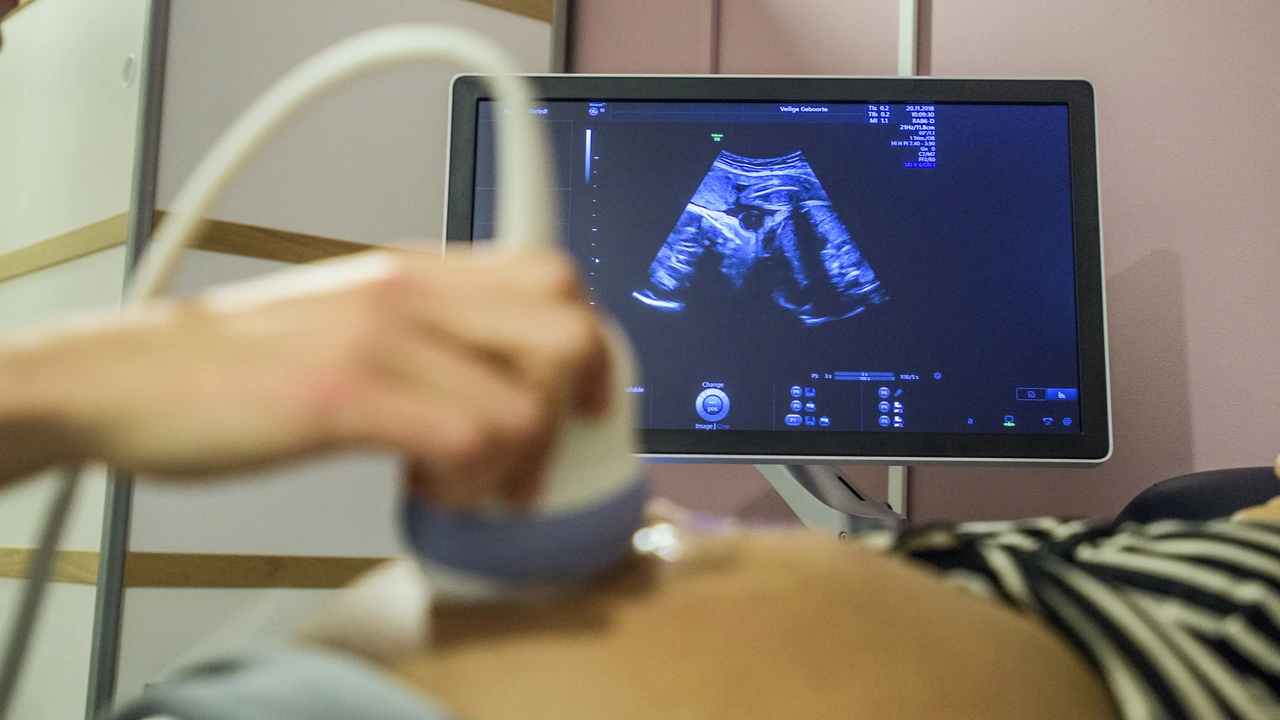
Dutch minister to end 13-week pregnancy scan from 2028

Mexico’s military hospital fills just 56% of prescriptions in 2026

Family sues after 21-year-old dies following ankle fracture treatment

Pinerolo hospital is Piedmont’s only public centre using TESAR for abdominal diastasis
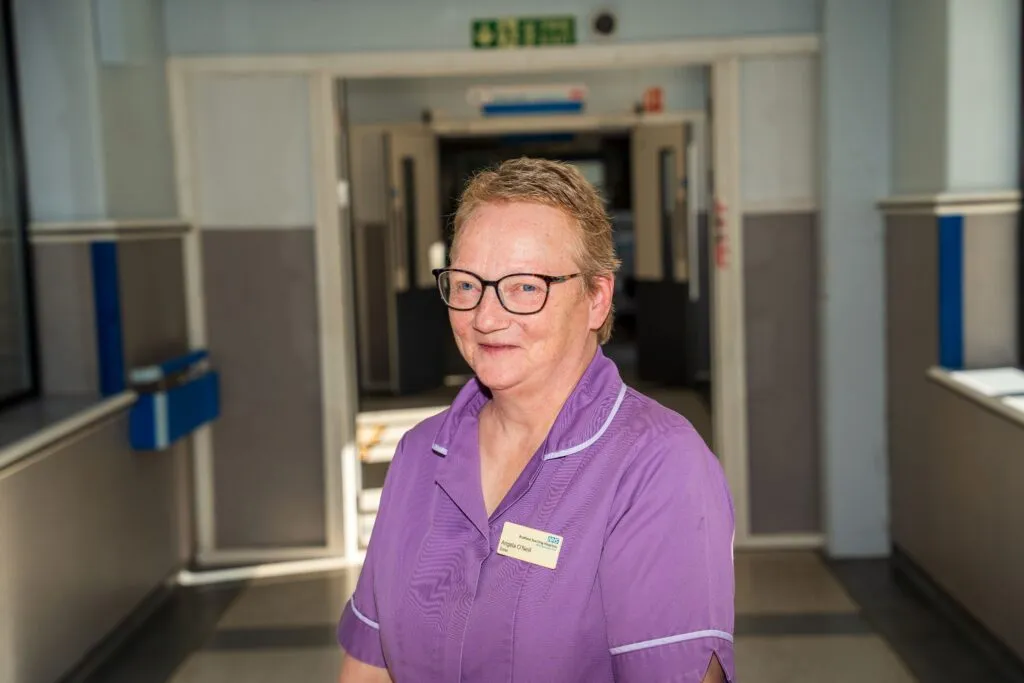
Nurse who treated Bradford fire victims to retire after 44 years
