Science & Tech · Science & Environment · 3 hrs ago
Medieval teeth show lead mining spread in England by the 7th century
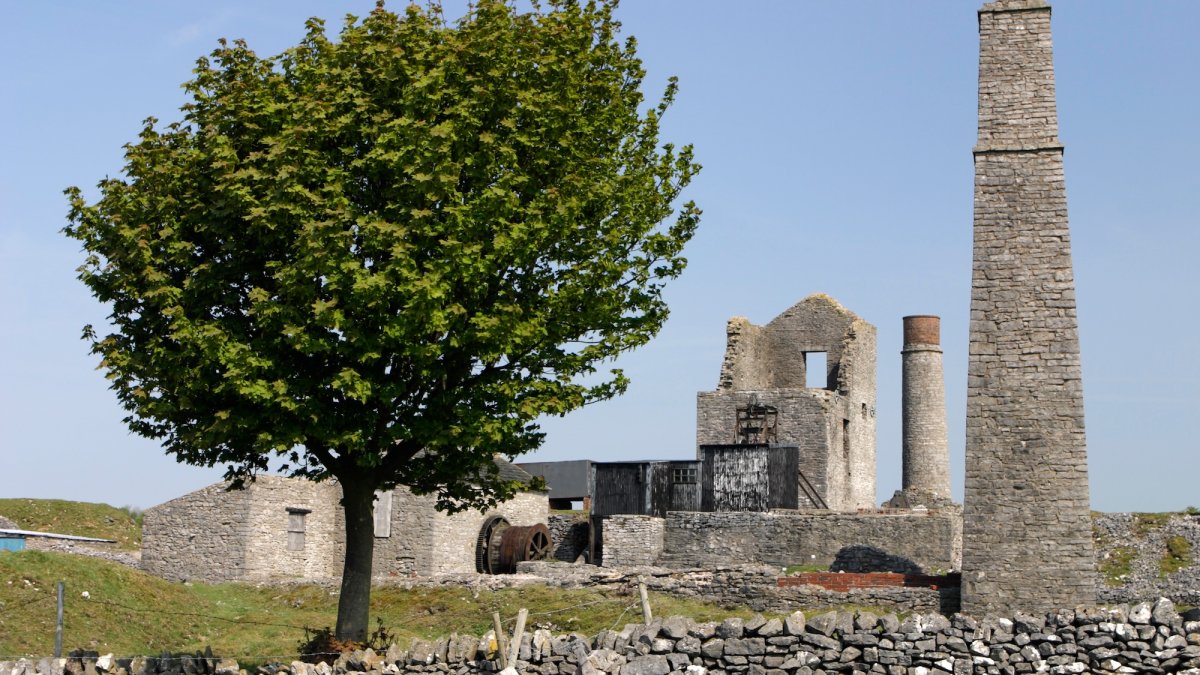
Researchers tested tooth enamel from people buried in three cemeteries in England’s Peak District between 650 and 1500.
The enamel preserves evidence of lead exposure from childhood, helping archaeologists trace when mining and smelting expanded there.
The results show that lead production was established in the region by the mid-7th century, after it had declined following the Roman period.
By the 7th century, children’s lead levels were as high as or higher than those found in children in industrial cities centuries later.
Exposure was not equal: children in working-class families connected to mining and smelting faced especially high levels.
The findings also point to possible greater risks for women, who often died younger than men in the communities studied.
The study offers evidence of how early industry affected people’s health, but it does not describe any next steps.

Dental enamel from medieval burials shows that lead mining and smelting had resumed in the Derbyshire Peak District by the 7th century.
Researchers examined teeth from people buried at three cemeteries dated between 650 and 1500 CE.
Children in the region had lead levels by the 7th century comparable to, or higher than, those of children in industrial cities in the 18th and 19th centuries.
Lead exposure spread to nearby areas by the mid-8th century and reached its highest levels in the late 12th and early 13th centuries.
The study found that working-class families and women may have faced particular risks from lead exposure.
- Who
- Archaeologists, including University of Nottingham’s Christopher Loveluck, studied teeth from people buried in the Peak District.
- What
- The research found evidence that lead mining and smelting had resumed by the 7th century, exposing local people to lead.
- When
- Mining and smelting had resumed by the mid-7th century; the teeth came from people buried between 650 and 1500 CE.
- Where
- The Derbyshire Peak District in central England, with evidence of exposure in surrounding areas such as Castleton.
- Why
- Researchers used tooth enamel to trace past lead exposure because later re-smelting destroyed evidence of the metal’s earlier origins and uses.
This story does not have two clearly opposing sides.
Researchers’ findings indicate that mining and smelting had resumed in the Derbyshire Peak District.
Lead exposure had spread to surrounding areas such as Castleton.
Tooth samples show lead exposure reached its highest levels.
Magpie Mine opened in the region.
Magpie Mine closed.
- Study evidence
- Teeth from three Peak District cemeteries
- Burial dates
- 650–1500 CE
- Mining region
- Derbyshire Peak District, England
- Nearby area
- Castleton
- Lead exposure peak
- Late 12th and early 13th centuries
- Magpie Mine operation
- 1735–1954
What people are saying
The team is delighted to have finally confirmed definitively the date by which the early medieval lead industry was established in the Peak District…through evidence provided by the people themselves
Our results indicate that in these mining communities, girls and boys alike were raised in dangerously polluted home environments
This exposure…perhaps contributed to higher rates of premature death among women of child-bearing age.
Sources
Related news

Fire ant nest found at freight centre in Sydney’s inner west

Riken study links limited food in young fruit flies to longer lives

MathRocks Fest 4.0 to bring science educators to Mexico City in November

Jonathan the tortoise’s gene switches may offer clues to long life

Young hammerhead sharks gather near Queensland beaches

China and Russia jointly identify tigers and leopards crossing their border

Balikpapan shortens school hours as wildfire smoke worsens air quality

BAE Systems unveils microwave and artillery systems to counter drone attacks

Texas oilfield wastewater may help cool data centers

South Korea forecast to turn colder and windier on Wednesday

Forecast puts possible global warming by 2100 at up to 5.7°C