Science & Tech · Science & Environment · 1 hr ago
Vehicle pollution makes it harder for pollinators to find flowers
A review of 22 experiments found that air pollution can disrupt pollination by making flower scents harder for insects to detect.
The research, led by scientists at the University of Reading in Britain, looked at bees, moths and other pollinators.
Ozone and nitrogen oxides can weaken or alter flower scents, making it harder for insects to find flowers they need.
On average, pollinator performance fell by about 42% with ozone and 46% with nitrogen oxides; together, the pollutants were linked to a 68% decline, based on limited studies.
Specialist insects face the greatest difficulty because some depend on the scent of a particular flower, while many bees can choose among more flowers.
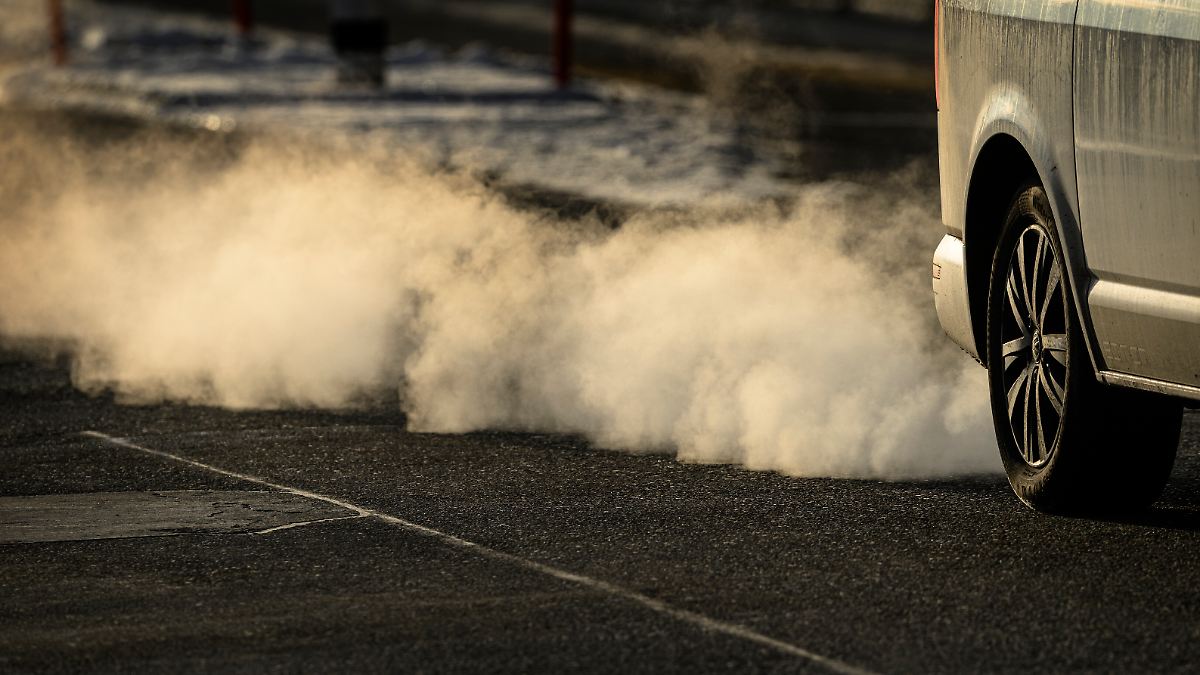
Nitrogen oxides largely come from diesel vehicles, and the researchers say vehicle pollution could continue to affect pollinators for years.
Protecting pollinators matters because much of our food depends on them, and the researchers say action should not wait until pollution levels fall later in the century.

Vehicle-related nitrogen oxides and ground-level ozone alter or weaken flower scents, making it harder for pollinators to find flowers.
A review of 22 experimental studies found that ozone reduced pollinator performance by about 42% on average and nitrogen oxides by about 46%.
When both pollutants were present, pollinator performance fell by an average of 68%, though only a few studies examined their combined effect.
Specialist pollinators, including some moths that rely on the scent of a particular flower, may be especially affected.
The review was led by James Ryalls of the University of Reading and published in Frontiers in Ecology and the Environment.
- Who
- Bees, moths and other pollinators are affected. The review was led by James Ryalls of the University of Reading.
- What
- Vehicle-related pollutants can make it harder for pollinators to find flowers by changing or weakening their scents.
- When
- The article was published on 13 October 2026. The study projects rising ozone levels until about 2050.
- Where
- Not stated
- Why
- Nitrogen oxides and ground-level ozone alter or weaken the scents that flowers release.
This story does not have two clearly opposing sides.
This story does not have a timeline yet.
- Studies reviewed
- 22 experimental studies
- Ozone effect
- About 42% average reduction in pollinator performance
- Nitrogen oxides effect
- About 46% average reduction in pollinator performance
- Combined pollutant effect
- 68% average reduction; only a few studies examined the combination
- Projected ozone trend
- Levels are expected to rise until about 2050
What people are saying
Most of the food we grow depends on healthy pollinators — so protecting these animals from pollution must not be postponed until 2050.
It is predicted that ozone levels will continue to rise until around 2050, even as nitrogen oxide emissions fall when the world increasingly moves away from fossil fuels.
Sources
Related news

A 1960 population study predicted a Doomsday date in November 2026

The Hindu Group e-book examines India’s clean energy transition

Newly Identified Four-Winged Dinosaur Offers Clues to Flight

AI recording revives a lost sparrow song in Buenos Aires

Seabird colonies can help keep nearby coral reefs healthy

New book explores overlooked lives in the Viking Age

Pennsylvania’s Hydrogen Hubs Stall Amid Federal Funding Uncertainty

UK supermarket suppliers face concentrated climate risks, analysis finds

Mostly stable weather forecast across Spain, with scattered light rain

Moderate rain reported in parts of Riyadh region
Dust from Syria reduces visibility and air quality in Hatay