Science & Tech · Science & Environment · 2 hrs ago
AI recording revives a lost sparrow song in Buenos Aires
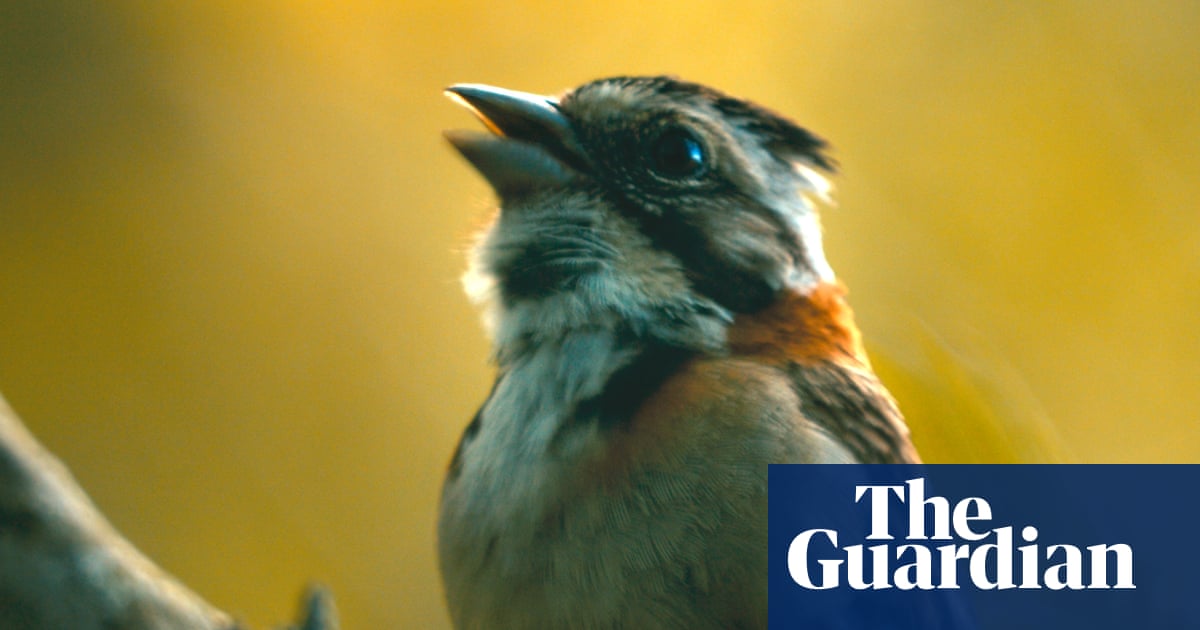
Scientists recreated a rufous-collared sparrow song lost in a Buenos Aires park using hand-drawn notes from the 1960s.
They wanted to see whether local birds would treat the computer-generated version as a real song.
Less than three months later, a local sparrow copied parts of it.
Song matters because birds use familiar, well-performed songs to attract mates and defend territory.
When populations decline, young birds have fewer chances to learn songs from others, which could weaken their ability to breed and survive.
Researchers hope synthetic recordings could help teach songs to declining species, especially where no recordings of their songs exist.
The rufous-collared sparrow is not considered globally vulnerable, and the researchers’ conservation idea is a possible future use of the technique.

Scientists recreated a song once sung by rufous-collared sparrows in a Buenos Aires park, using annotations made in the 1960s.
Less than three months later, a local sparrow began copying parts of the computer-generated song.
The researchers wanted to test whether birds would consider the synthetic rendition realistic enough to imitate.
The song had disappeared from the area, where the sparrow population had declined.
Researchers hope synthetic recordings could help teach songs to birds in species with dwindling populations.
- Who
- Researchers including Gabriel B Mindlin and a local rufous-collared sparrow.
- What
- Scientists recreated a lost sparrow song, and a local bird later copied parts of it.
- When
- The original song annotations were made in the 1960s; the bird copied parts less than three months after the synthetic rendition was created.
- Where
- A park in Buenos Aires.
- Why
- Researchers wanted to test whether birds would imitate a computer-generated song and explore whether synthetic recordings could support conservation.
This story does not have two clearly opposing sides.
Hand-drawn annotations recorded rufous-collared sparrow songs, including themes that later disappeared from the area.
Scientists created a computer-generated rendition based on the old annotations.
A local sparrow began copying parts of the recreated song.
- Location
- A park in Buenos Aires
- Species
- Rufous-collared sparrow
- Original song records
- Hand-drawn annotations made in the 1960s
- Response
- A local bird copied parts of the rendition less than three months after it was created
- Study co-author
- Gabriel B Mindlin, professor of physics at the University of Buenos Aires
What people are saying
If your song requires a lot of energy you might have to be in quite a good condition to sing it
When people talk about biodiversity, we’re always talking about genes, about genetic material
Sources
Related news

Jonathan the tortoise’s genes may offer clues to healthy aging

Black hole-inspired quantum teleportation works without quantum magic

A 1960 population study predicted a Doomsday date in November 2026

The Hindu Group e-book examines India’s clean energy transition

Newly Identified Four-Winged Dinosaur Offers Clues to Flight

Mostly stable weather forecast across Spain, with scattered light rain

Seabird colonies can help keep nearby coral reefs healthy

New book explores overlooked lives in the Viking Age

Pennsylvania’s Hydrogen Hubs Stall Amid Federal Funding Uncertainty

Fire ant nest found at logistics centre in Sydney’s inner west

UK supermarket suppliers face concentrated climate risks, analysis finds