Science & Tech · Science & Environment · 2 hrs ago
Seabird colonies can help keep nearby coral reefs healthy
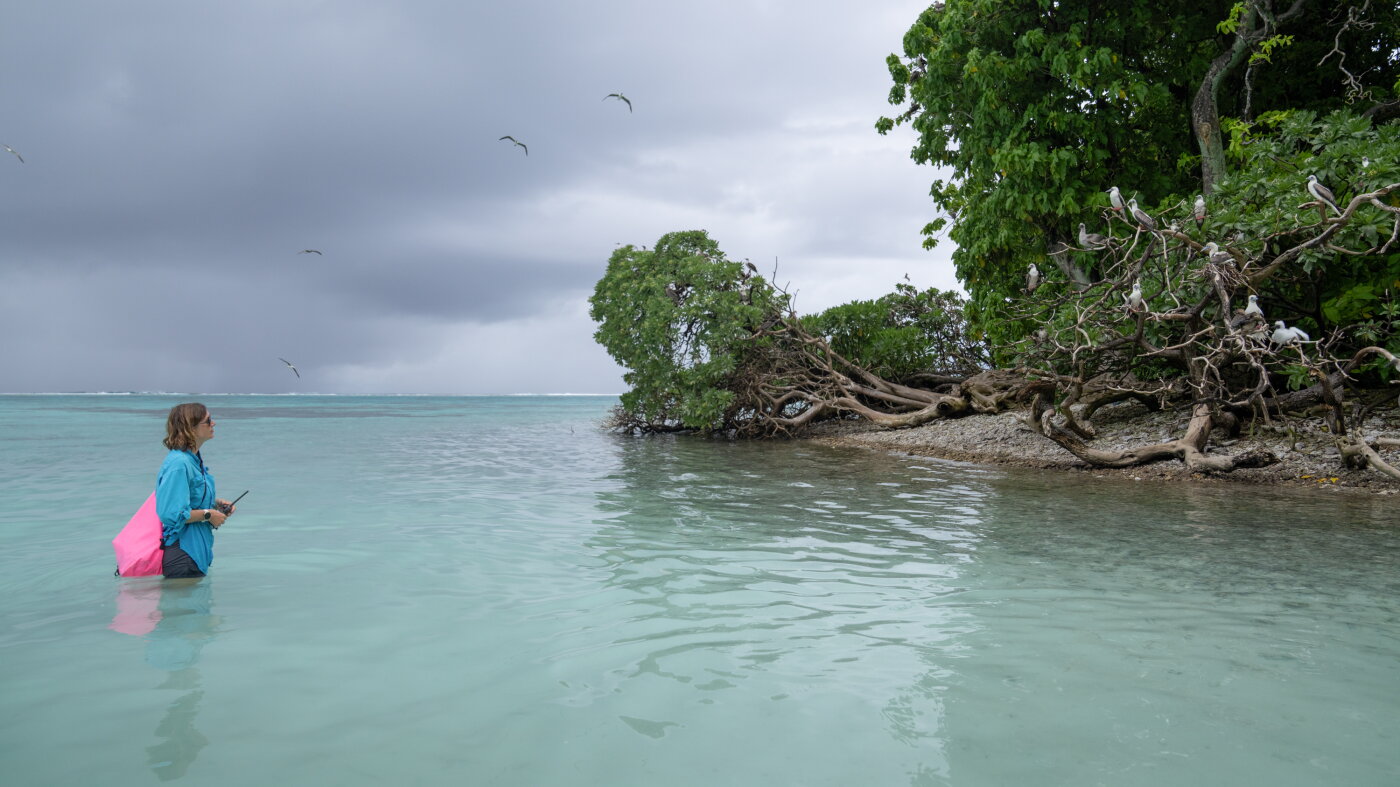
Seabird colonies can support healthier coral reefs by bringing nutrients from the ocean onto nearby islands in their droppings.
At Palmyra Atoll, a remote group of islands in the Pacific, tens of thousands of birds nest and feed at sea.
Their guano adds nutrients to the surrounding ocean ecosystem, helping reefs thrive.
On some islands, habitat loss and invasive rats have reduced seabird colonies, weakening this natural connection.
Coral reefs are also increasingly threatened by rising ocean temperatures, so they need all the help they can get.
Some reef restoration projects are also bringing back seabird colonies to restore the link between birds and reefs.
Scientists say that reducing local threats can help ecosystems recover and better adapt to climate impacts.

Seabird colonies can benefit nearby coral reefs by depositing nutrients in the ocean through their guano.
Reefs near seabird colonies are generally healthier, according to the article.
On some islands, seabird populations have fallen because of habitat loss and invasive species such as rats.
Some coral restoration projects are also working to restore seabird colonies and the connection between birds and reefs.
Scientists say restoring natural ecosystem functions could help ecosystems adapt to climate impacts.
- Who
- Seabirds and nearby coral reefs are at the center of the story. Scientists and conservation groups are working to restore their connection.
- What
- Seabird guano supplies nutrients that can help keep nearby coral reefs healthy.
- When
- Not stated
- Where
- Palmyra Atoll in the remote Pacific Ocean, and other islands with seabird colonies.
- Why
- Seabirds deposit nutrients in the ocean, supporting the reef ecosystem. Restoring colonies may also help reefs face climate impacts.
This story does not have two clearly opposing sides.
Coconut plantations were developed on Palmyra Atoll.
The U.S. military used Palmyra Atoll as a logistical station and built bunkers and roads.
The Nature Conservancy bought Palmyra Atoll from private owners and transferred the majority of it to the federal government.
- Location
- Palmyra Atoll, remote Pacific Ocean
- Bird population
- Tens of thousands of birds nest on Palmyra Atoll
- Main nutrient source
- Seabird guano
- Threats to colonies
- Habitat loss and invasive species such as rats
- Purchase year
- The Nature Conservancy bought Palmyra Atoll in 2000
What people are saying
If we can figure out ways to just stop the local threats to ecosystems, they will, in a lot of cases, find ways to repair themselves
They can reestablish their natural functions that will then allow them to adapt to the climate impacts that are coming.
That's a white tern chick, and a young one at that
I think that their call sounds like an electric rubber band snapping
Sources
Related news
Jonathan the tortoise’s genes may offer clues to healthy aging

Black hole-inspired quantum teleportation works without quantum magic

A 1960 population study predicted a Doomsday date in November 2026

The Hindu Group e-book examines India’s clean energy transition

Newly Identified Four-Winged Dinosaur Offers Clues to Flight
AI recording revives a lost sparrow song in Buenos Aires

New book explores overlooked lives in the Viking Age

Mostly stable weather forecast across Spain, with scattered light rain

Pennsylvania’s Hydrogen Hubs Stall Amid Federal Funding Uncertainty

UK supermarket suppliers face concentrated climate risks, analysis finds
Fire ant nest found at logistics centre in Sydney’s inner west