

Politics · Spain · 3 hrs ago
Spain keeps voting limits for some overseas citizens ahead of November election
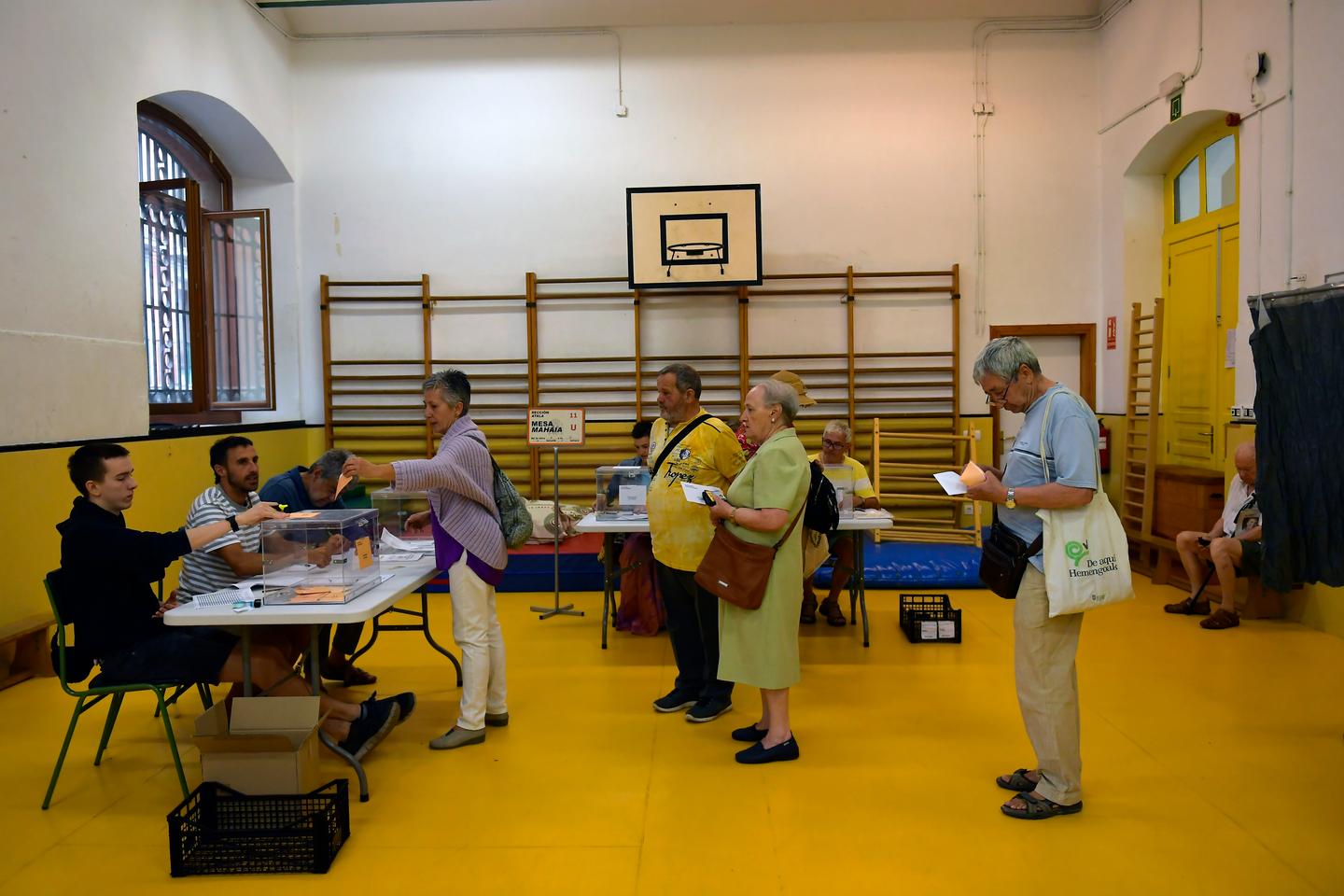
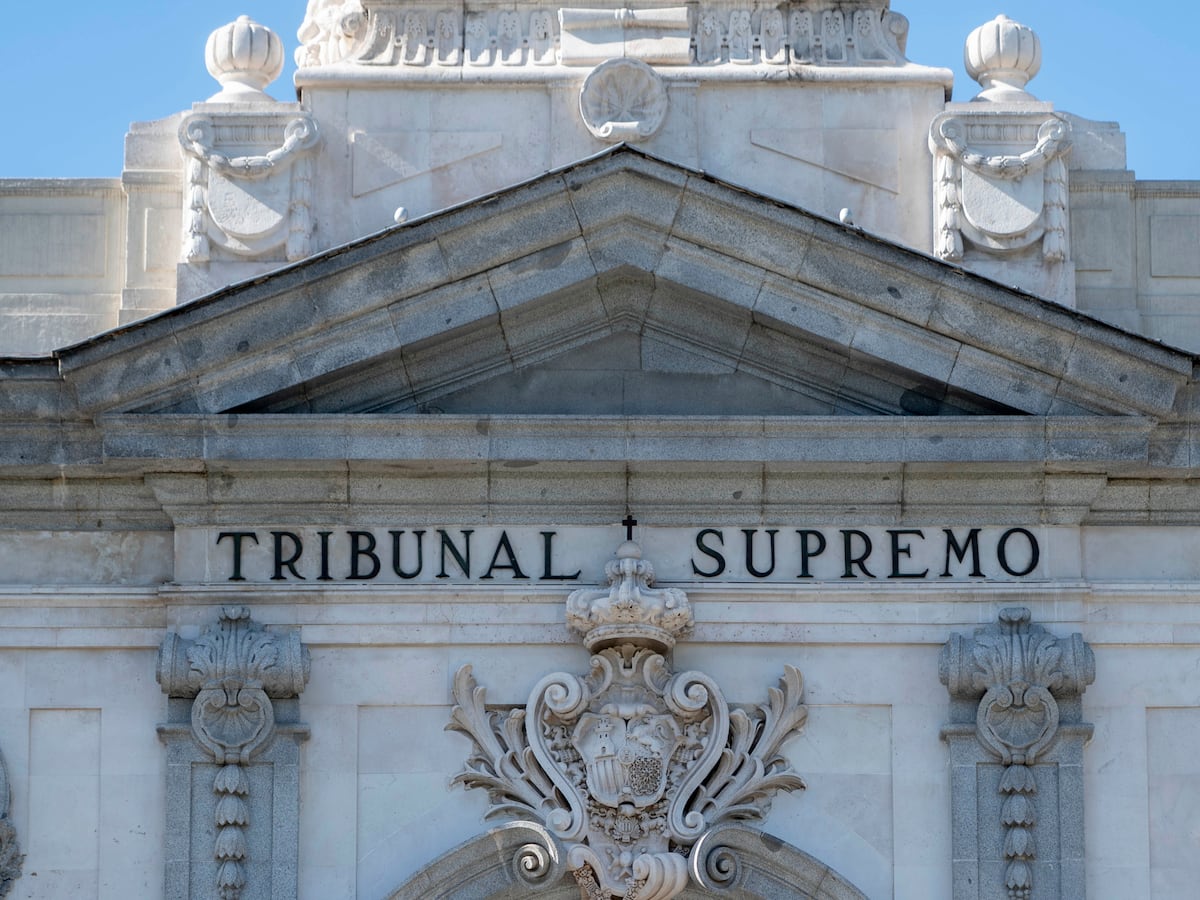
Spain’s Supreme Court has kept in place a suspension that may stop some overseas citizens from voting in the November 29 election.
The affected voters gained Spanish nationality under a 2022 law for descendants of people who fled the Spanish Civil War or Franco’s dictatorship.
The court says the suspension does not apply to people who can prove their ancestors were exiled for political, ideological, religious or sexual-orientation reasons.
The government appealed the suspension, but the court rejected that appeal on Monday.
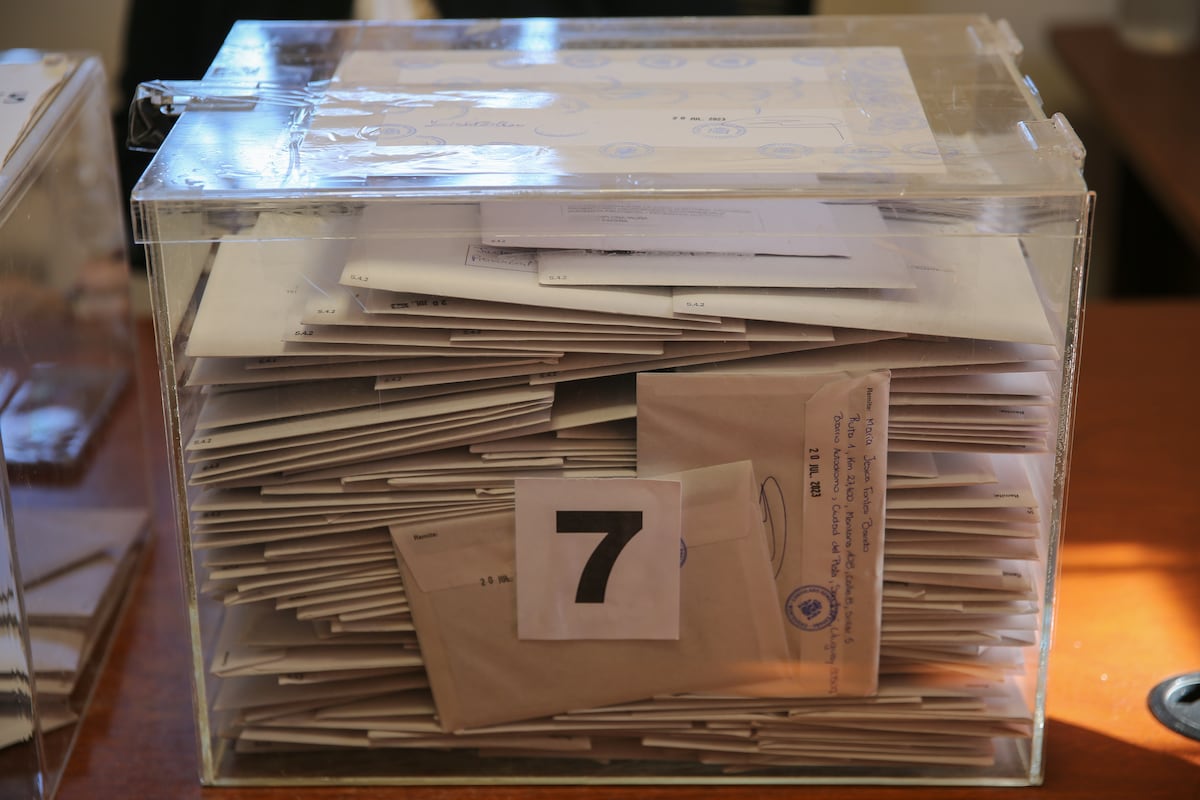
More than 163,000 people who gained nationality through the law were on the overseas voter register as of August 1, though it is unclear how many will be excluded.
The ruling matters because the vote could affect Prime Minister Pedro Sanchez’s effort to remain in office, while opposition parties have accused his government of adding voters for political gain.
The suspension is set to remain in force for the election.

Spain’s Supreme Court maintained restrictions that could prevent some overseas citizens from voting in the November 29 election.
The restrictions apply to some people who gained Spanish nationality under a 2022 law for descendants of exiles from the Franco dictatorship.
The court said the restrictions would not apply to people who could prove their ancestors were exiled for specified reasons.
The government had appealed the suspension, while conservative and far-right opponents accused it of adding left-leaning voters to the electoral register.
The number of people who will be unable to vote remains unclear.
- Who
- The Supreme Court ruled on voting rights for some overseas Spanish citizens who gained nationality under the 2022 law.
- What
- The court maintained the suspension of their voting rights for the November election, with an exception for people who can prove qualifying family ties.
- When
- The court announced its decision on October 12. The election is scheduled for November 29.
- Where
- Spain; the affected voters are overseas citizens.
- Why
- The court said affected voters must provide more evidence of ties to victims of repression. The ruling does not apply to people who can prove qualifying ancestry.
Spanish government
Conservative and far-right opposition
Electoral register
Spanish government
The government rejected accusations that it was manipulating the register and said the affected citizens should have basic rights.
Conservative and far-right opposition
The opposition accused the government of exploiting the nationality law to add left-leaning voters from abroad.
Court ruling
Spanish government
The government’s state legal service appealed the suspension of voting rights.
Conservative and far-right opposition
The opposition welcomed the court’s decision to keep the suspension in force.
The left-wing government passed a law granting nationality to descendants of Spaniards who fled during the civil war and part of Franco’s dictatorship.
The Supreme Court provisionally suspended voting rights for some beneficiaries, requiring more evidence of ties to victims of repression.
The court rejected the state legal service’s appeal and kept the suspension in force for the November election.
The election is scheduled to take place with the suspension still in force.
- Election date
- November 29
- Nationality law
- Passed in 2022
- Registered beneficiaries
- More than 163,000 as of August 1
- Approved applications not yet registered
- Almost 97,000 by the end of August
- Applications still under review
- More than 304,000 at the end of August
What people are saying
What does this mean? That the grandchildren of the exiles of Francoism will not be able to vote, and the grandchildren of the Francoist regime will?
has again put a limit on the government's irresponsibility and put the common good before its haste and its botched work.
You cannot manufacture voters illegitimately and illegally (... )we've caught him [Sanchez] red-handed.
Sources
Related news

Four Spanish left-wing parties propose Ada Colau to lead election bid
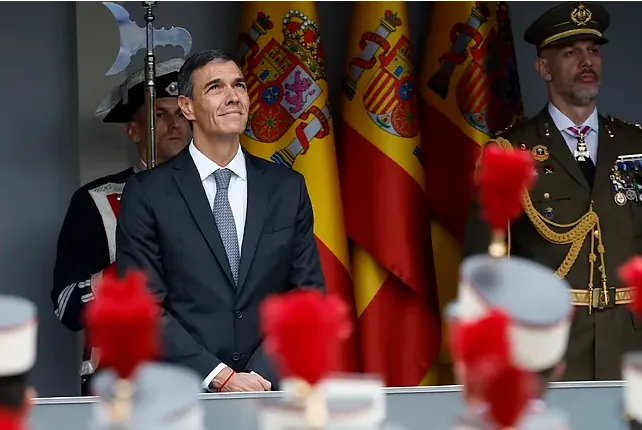
Sánchez booed at Spain’s National Day parade in Madrid
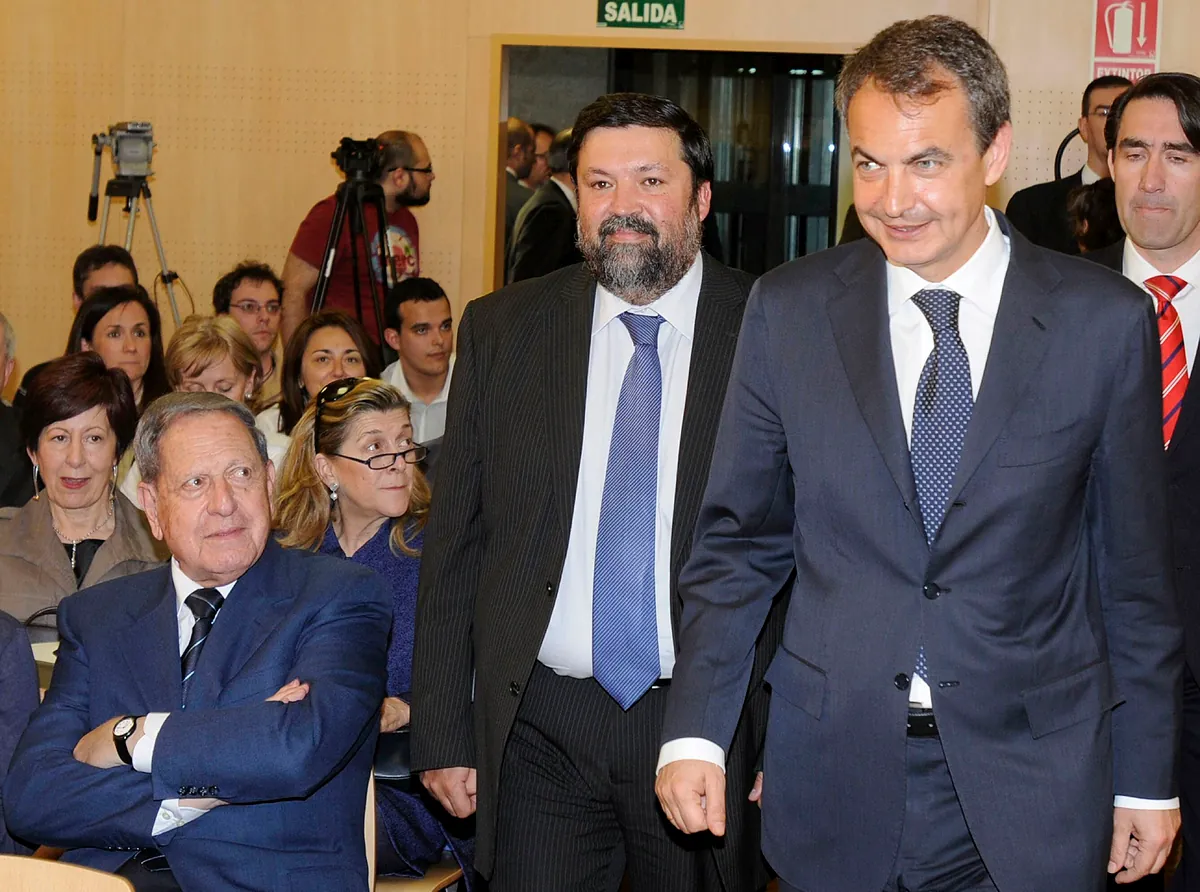
Juan Rodríguez, father of former Spanish PM Zapatero, dies at 100
Sánchez acknowledges Moroccan warships entered Spanish waters near Ceuta

Spanish royal family leads 12 October parade in Madrid

Spain’s PSOE and PP project confidence ahead of an early election
Spain’s Supreme Court keeps voting suspension for 163,020 new citizens

Abascal and Bardella call for tighter border controls during Ceuta visit
Spain’s Supreme Court keeps voting suspension for 163,020 new citizens

Supreme Court keeps voting restriction on 163,020 new Spanish citizens

Mertxe Aizpurua will not run again for EH Bildu in November election
