Politics · Spain · 3 hrs ago
Supreme Court keeps voting restriction on 163,020 new Spanish citizens
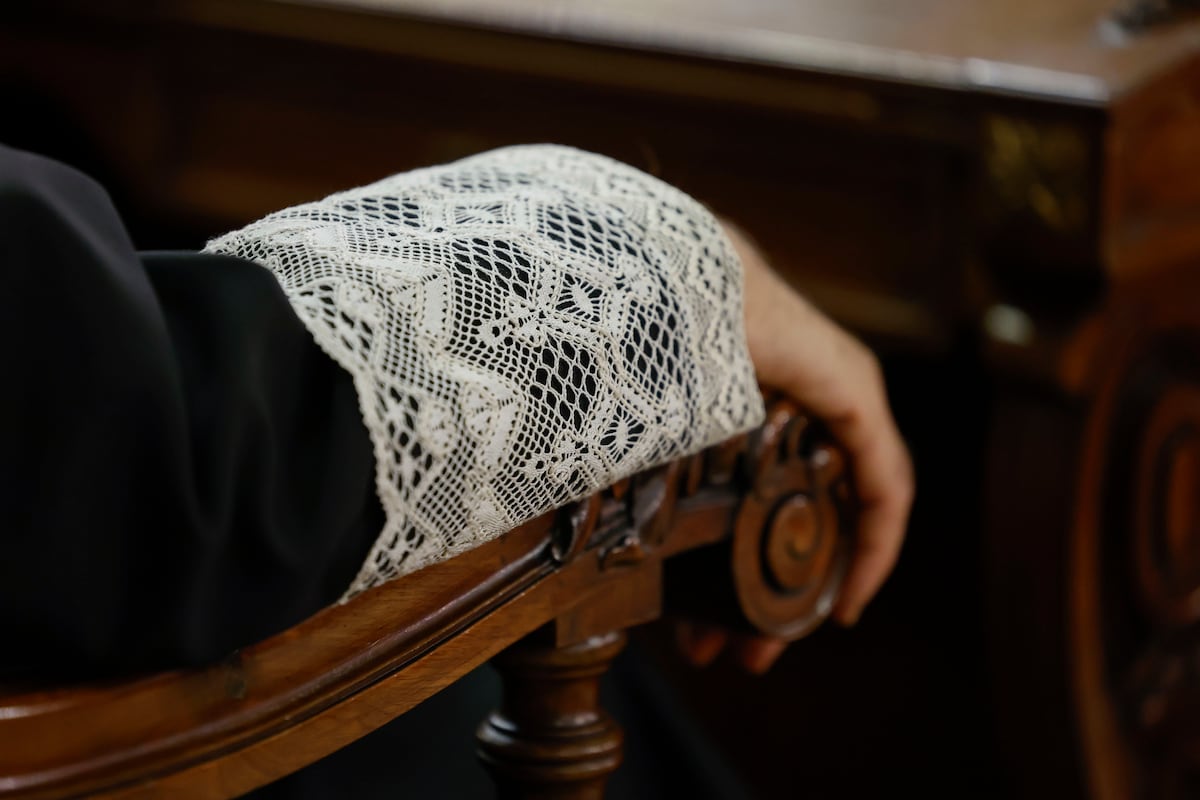
Spain’s Supreme Court has kept in place a temporary measure suspending the electoral registration of 163,020 people.
They are children and grandchildren of people exiled during the Franco period who later gained Spanish citizenship under the Democratic Memory Law.
The State Attorney’s Office asked the court to lift the measure, but the court rejected that request.
As a result, the affected citizens may be unable to vote in the election scheduled for Nov.
29.
A dissenting judge said missing this vote could cause irreversible harm because it cannot be cast later.
The court’s majority said protecting the accuracy of the electoral register and preventing irregularities outweighed individual interests.
The legal dispute has not yet been finally resolved.

Spain’s Supreme Court has kept in place a measure suspending voter-register entries for 163,020 people who obtained Spanish nationality under the Democratic Memory Law.
The affected people are children and grandchildren of those exiled during the Franco period, from the start of the Civil War through 31 December 1955.
The State Attorney’s appeal to lift the measure was rejected by the Supreme Court’s Administrative Chamber.
A dissenting judge said the suspension could cause an irreversible loss of voting rights in the election scheduled for 29 November.
- Who
- 163,020 people who obtained Spanish nationality under the Democratic Memory Law, and the Supreme Court.
- What
- The court rejected an appeal to lift a measure suspending their voter-register entries.
- When
- The decision was reported on 12 October 2026. The election is scheduled for 29 November.
- Where
- Spain.
- Why
- The court said the measure protects the accuracy of the electoral register and the public interest. The dissenting judge argued that protecting the effective right to political participation should take precedence.
Supreme Court majority
Dissenting judge Alicia Millán
Voter-register measure
Supreme Court majority
The majority kept the suspension in place.
Dissenting judge Alicia Millán
Millán opposed keeping the provisional measure in place.
Priorities
Supreme Court majority
The right to vote is not absolute and may be subject to general interests, including preventing irregularities in the electoral register.
Dissenting judge Alicia Millán
The effective exercise of the fundamental right to political participation should take precedence over a provisional measure.
Effect on voters
Supreme Court majority
The measure remains in force pending resolution of the legal dispute.
Dissenting judge Alicia Millán
The suspension could cause an irreversible loss of voting rights in the election.
The Supreme Court kept in place the provisional suspension of the affected citizens’ voter-register entries.
El País reported that the Supreme Court had rejected the State Attorney’s appeal to lift the suspension.
The election is scheduled to take place.
- Affected people
- 163,020
- Nationality law
- Democratic Memory Law
- Affected people’s family history
- Children and grandchildren of exiles during the Franco period, from the start of the Civil War through 31 December 1955
- Election date
- 29 November
What people are saying
the right to vote is not an absolute right
the interest in preserving the accuracy and absence of irregularities in the electoral register must prevail over the individual citizen’s interest
the preservation of the effective exercise of the fundamental right to political participation should prevail over maintaining a provisional measure based on a legal dispute still awaiting a final decision
Sources
Related news

Four Spanish left-wing parties propose Ada Colau to lead election bid

Sánchez booed at Spain’s National Day parade in Madrid

Spanish royal family leads 12 October parade in Madrid

Juan Rodríguez, father of former Spanish PM Zapatero, dies at 100

Sánchez acknowledges Moroccan warships entered Spanish waters near Ceuta

Spain’s PSOE and PP project confidence ahead of an early election
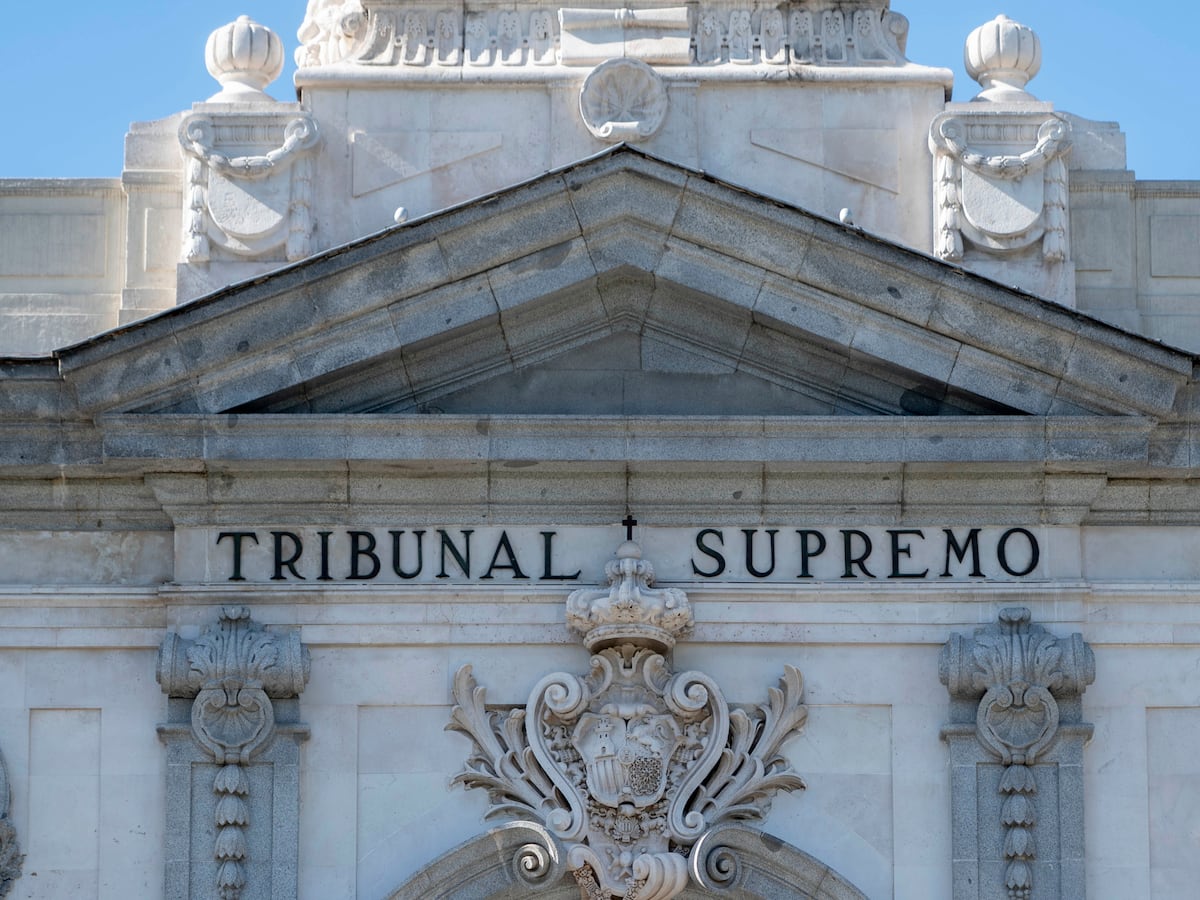
Spain’s Supreme Court keeps voting suspension for 163,020 new citizens
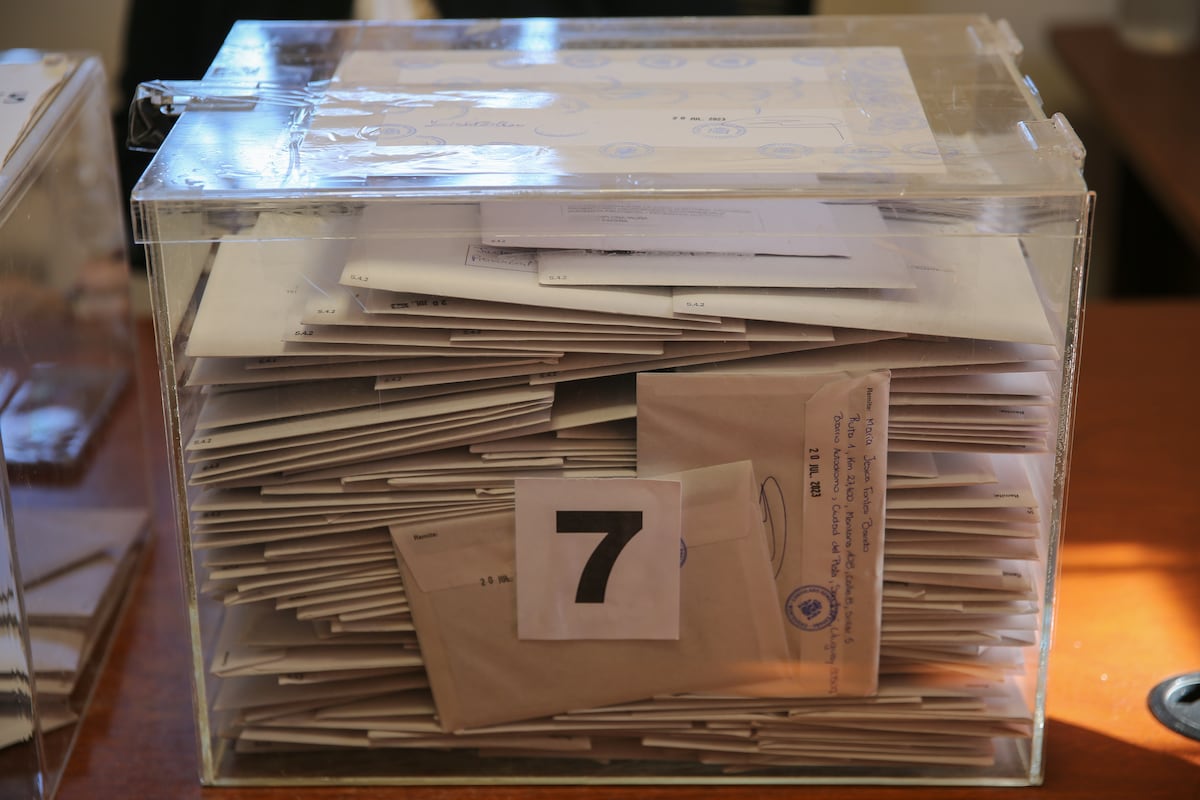
Spain’s Supreme Court keeps voting suspension for 163,020 new citizens

Abascal and Bardella call for tighter border controls during Ceuta visit

Mertxe Aizpurua will not run again for EH Bildu in November election

Gabriel Rufián to lead ERC list for Spain’s November general election