

Politics · Spain · 4 hrs ago
Spain’s Supreme Court keeps voting suspension for 163,020 new citizens
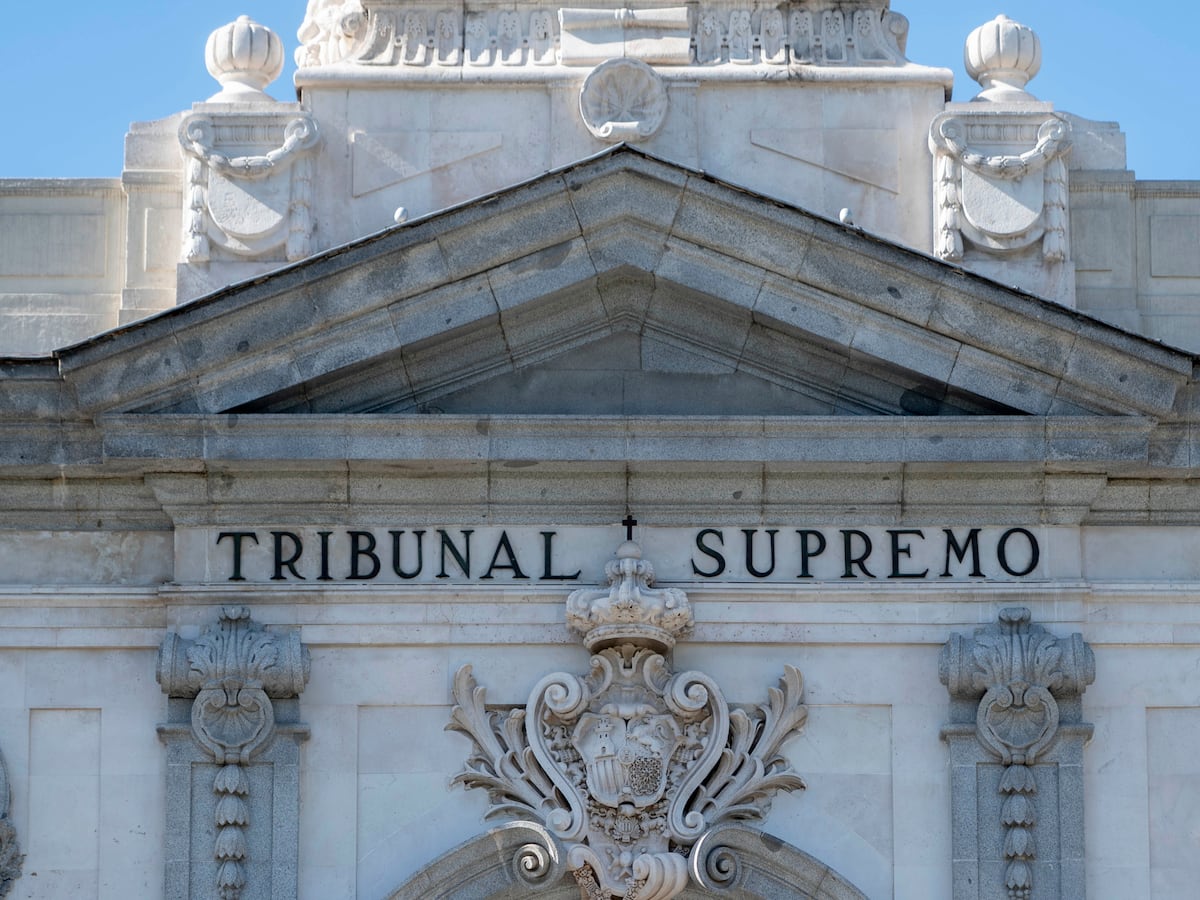
Spain’s Supreme Court has kept in place a suspension of voting rights for 163,020 newly naturalized citizens listed on the register of Spaniards living abroad as of August 1, 2026.
The people affected gained Spanish nationality under a law for descendants of Spaniards who went into exile during the Civil War and Franco dictatorship.
The court is examining whether some citizenships were granted under a Justice Ministry instruction that treated Spaniards who left between 1936 and 1955 as exiles.
It ordered an electoral review to identify which people were affected.
Government lawyers argued that the November 29 general election was too close to complete that review, but the court said the administration could not rely on a difficulty caused by its own failure to act.
The ruling means those affected will not be able to vote in the election.
The court has ordered urgent publication of its decision so they can join the legal proceedings.

Spain’s Supreme Court has kept in place a suspension of voting rights affecting 163,020 newly naturalized citizens.
The ruling means those affected will not be able to vote in the November 29 general election.
The citizens acquired Spanish nationality under the so-called grandchildren’s law, which covers descendants of Spaniards who went into exile.
The court rejected government arguments that there was not enough time before the election to review the electoral register.
It said the administration could not cite impossibility when its own failure to carry out the review caused the problem.
- Who
- The Supreme Court and 163,020 newly naturalized citizens.
- What
- The court refused to restore the citizens’ voting rights.
- When
- In a ruling on Monday; the general election is scheduled for November 29.
- Where
- Spain.
- Why
- The court said the electoral roll must be accurate and transparent, and rejected the claim that the review was impossible before the election.
The State Attorney’s Office and Public Prosecutor’s Office
The Supreme Court
Timing of the election
The State Attorney’s Office and Public Prosecutor’s Office
The election’s proximity made it practically impossible to carry out the review before voting.
The Supreme Court
The administration cannot claim impossibility when its own failure to carry out the review caused the problem.
Voting suspension
The State Attorney’s Office and Public Prosecutor’s Office
The suspension should be set aside because there was not enough time to revise the electoral register.
The Supreme Court
The suspension should remain because the electoral roll must meet standards of accuracy, truthfulness, equality, objectivity and transparency.
The 163,020 affected people were included in the electoral register of Spaniards living abroad.
Pedro Sánchez announced the dissolution of Parliament.
The Supreme Court rejected the appeal seeking to set aside the suspension of voting rights.
Spain is scheduled to hold a general election.
- People affected
- 163,020
- Register
- Spaniards living abroad (CERA)
- Register date
- August 1, 2026
- Election date
- November 29
- Citizenship measure
- So-called grandchildren’s law
What people are saying
A material impossibility of complying with a judicial order cannot be invoked when the cause of that non-compliance lies with the very administration responsible for carrying it out
the risk that an electoral roll — in this case the CERA — could be irregularly constituted without the accuracy, truthfulness, equality, objectivity and transparency required for holding an electoral process in a representative parliamentary democracy like Spain’s remains as strong as ever, even if the total numbers have fallen.
Sources
Related news

PSOE and PP trade insults in Spain’s online election campaign

Spanish royal family leads 12 October parade in Madrid

Four Spanish left-wing parties propose Ada Colau to lead election bid

Government plans new RTVE VAT measure after Congress rejected earlier decree

Mertxe Aizpurua will not run again for EH Bildu in November election
Juan Rodríguez, father of former Spanish PM Zapatero, dies at 100
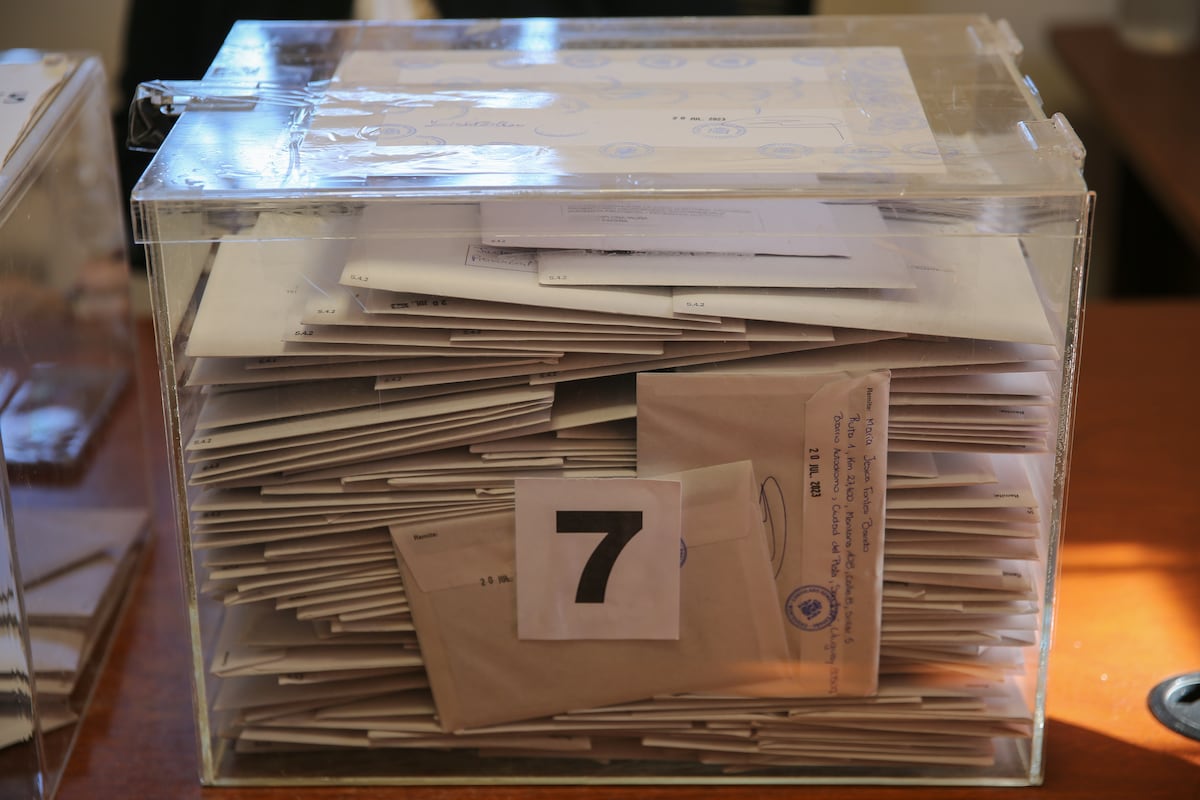
Spain’s Supreme Court keeps voting suspension for 163,020 new citizens
Sánchez acknowledges Moroccan warships entered Spanish waters near Ceuta

Gabriel Rufián to lead ERC list for Spain’s November general election
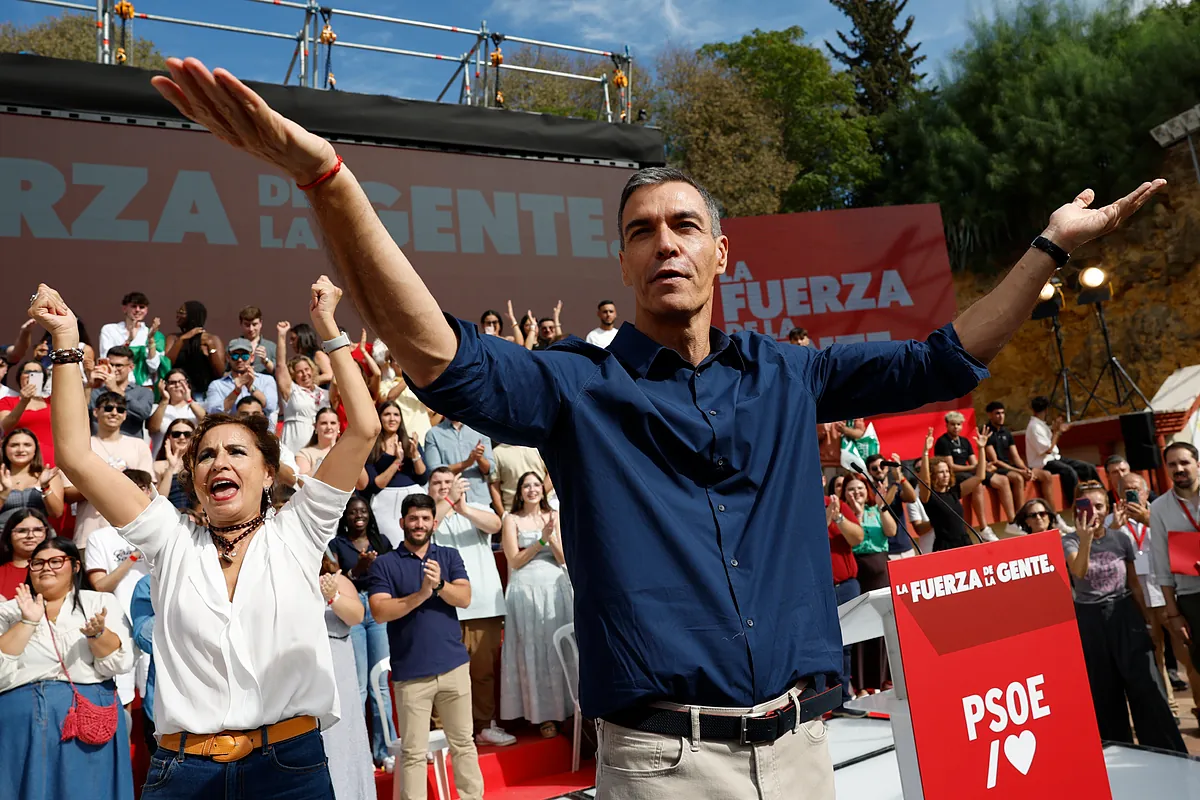
Sánchez pledges stronger housing measures and criticises claims about postal voting

ERC and EH Bildu to renew joint Senate election coalition
