

World · Middle East · 4 hrs ago
Archaeologists uncover 300 meters of Jerusalem’s ancient Lower Aqueduct
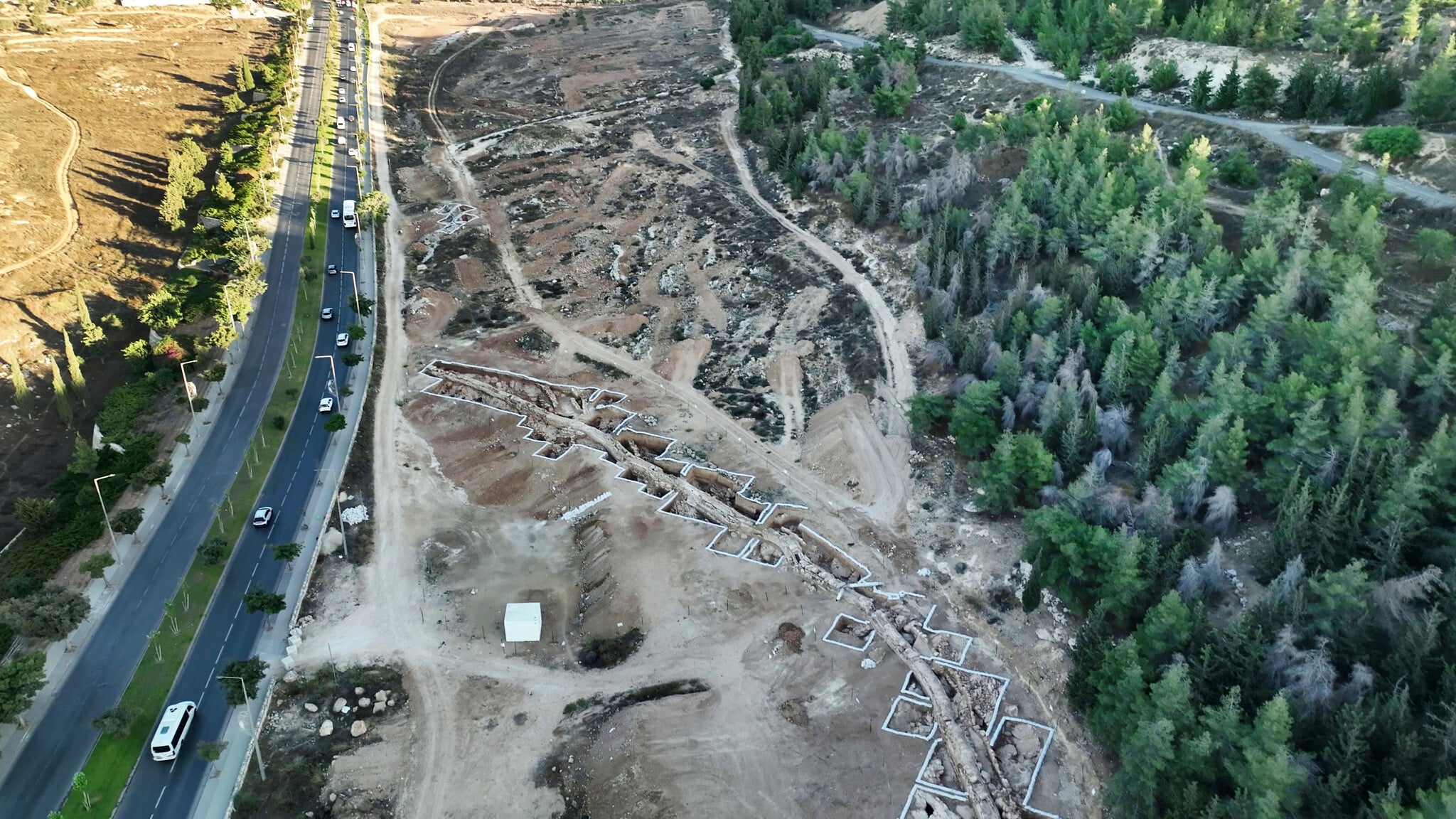
Archaeologists have uncovered a 300-meter stretch of the Lower Aqueduct in southern Jerusalem.
Built around 100 BCE, it carried water about 21 kilometers from springs south of Bethlehem to the Temple Mount.
Jerusalem needed extra water, especially when its population grew during religious festivals.
The aqueduct used a very gentle slope to move water by gravity, without pumps.
Its simple stone channel remained in intermittent use until about 100 years ago, and ceramic pipes were added during the Ottoman period.
The discovery offers new information about how ancient engineers supplied the city with water.
The remains were found ahead of plans for a new neighborhood, and archaeologists and planners hope to include them in the development.

Archaeologists uncovered a 300-meter stretch of Jerusalem’s 2,000-year-old Lower Aqueduct.
The aqueduct carried water 21 kilometers from springs south of Bethlehem to Jerusalem’s Temple Mount.
The discovery was made ahead of plans to build a new neighborhood in southern Jerusalem.
Archaeologists and planners hope to incorporate the remains into the future development.
The waterway supplied the city and remained in intermittent use until about 100 years ago.
- Who
- Archaeologists from the Israel Antiquities Authority uncovered the aqueduct.
- What
- They found a 300-meter stretch of the Lower Aqueduct, an ancient waterway to Jerusalem.
- When
- The discovery was announced on Sunday; the article was published October 11, 2026.
- Where
- Near Ramat Rachel in southern Jerusalem. The aqueduct ran from springs south of Bethlehem to the Temple Mount.
- Why
- Not stated
This story does not have two clearly opposing sides.
The construction is not like what you would imagine when you picture the aqueducts in Caesarea or Italy with large bridges and arches.
The aqueduct is an engineering marvel.
The thought that about 2,000 years ago they managed to bring water to Jerusalem this way is astonishing.
Hasmonean kings built the Lower Aqueduct to carry water from springs south of Bethlehem to Jerusalem.
Ceramic pipes were installed inside the original channel during the Ottoman period.
The aqueduct remained in intermittent use.
Archaeologists uncovered a 300-meter stretch near Ramat Rachel.
- Uncovered stretch
- 300 meters (1,000 feet)
- Aqueduct length
- 21 kilometers (13 miles)
- Water source
- Three springs known as Solomon’s Pools, south of Bethlehem
- Destination
- Temple Mount, Jerusalem
- Construction period
- Around 100 BCE
Sources
Related news

Riyadh airport hit again after deadly Houthi attack

11 killed and 27 injured in tour bus crash in western Türkiye
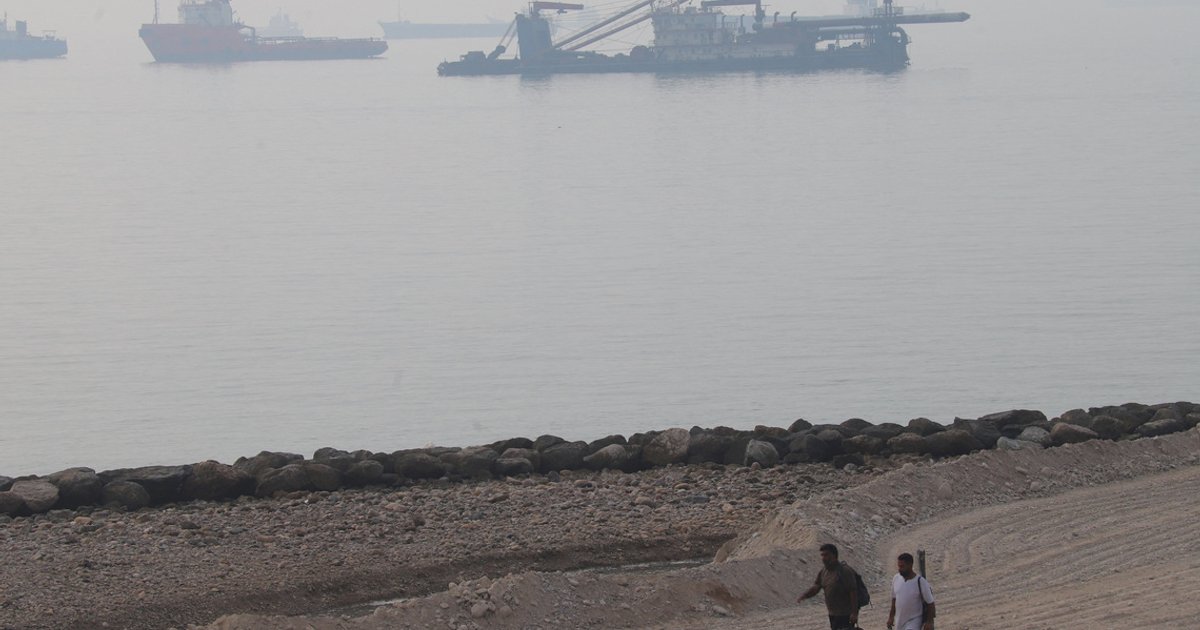
Iran says US response to Hormuz reopening conditions is insufficient
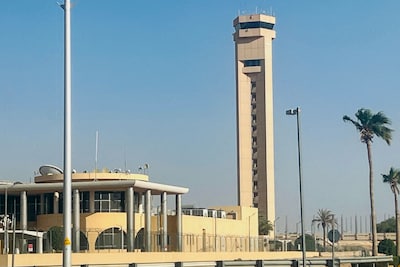
Missile attack on Riyadh airport kills 12 and injures more than 300

Projectile hits Riyadh airport terminal in second attack in two days

Attack injures several people and halts operations at Riyadh airport

Indian man dies after Riyadh airport attack, embassy says

Netanyahu seeks investigation into anonymous participants in Gaza documentary

Iran says Oman agreement will not immediately reopen Strait of Hormuz

US forces disable cargo ship accused of trying to breach Iran blockade

Russia condemns deadly attack on Riyadh airport and urges protection of civilians
