

Politics · France · 11 hrs ago
France faces rising debt and political uncertainty as Macron’s tenure nears its end
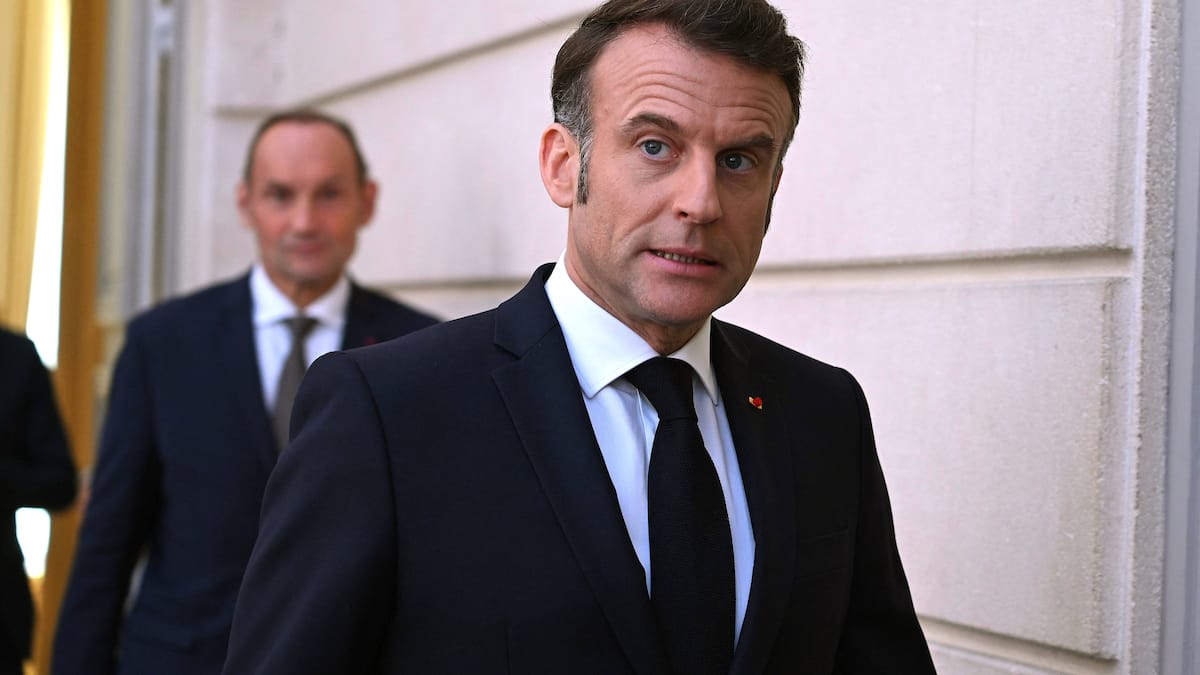
France is facing rising debt, growing public discontent and investor concerns as President Emmanuel Macron’s time in office nears its end.
Macron’s economic policies aimed to make France more business-friendly and strengthen its role in Europe.
But political crises and global shocks pushed the government toward higher spending, while economic growth is not in sight.
Investors are demanding higher interest rates on French government bonds than on Italian ones.
In the coming weeks, the minority government will try to pass a budget intended to reassure investors.
The leading presidential hopefuls, Marine Le Pen on the right and Jean-Luc Mélenchon on the left, have said they would reverse Macron’s reforms.
Macron is expected to leave office next year, and the outcome of the budget effort and the next election could shape France’s economic direction and its place in Europe.

France faces rising debt, weak growth prospects and political uncertainty as President Emmanuel Macron approaches the end of his tenure.
Investors are demanding higher yields on French government bonds than on Italian bonds.
A minority government is trying in the coming weeks to pass a budget intended to reassure asset managers.
Leading presidential contenders Marine Le Pen and Jean-Luc Mélenchon have promised to reverse Macron’s reforms.
Roland Lescure, Macron’s fourth finance minister, is trying to preserve parts of the president’s economic programme.
- Who
- France and President Emmanuel Macron; Roland Lescure is defending parts of Macron’s economic programme.
- What
- France faces rising debt, weak growth prospects and political uncertainty, while its minority government seeks to pass a budget.
- When
- The article was published on 11 October 2026. Macron is expected to leave office next year.
- Where
- France, within the eurozone.
- Why
- The article cites political crises and policy decisions, rising public spending and debt, and uncertainty over whether a future president will reverse Macron’s reforms.
Macron’s government and reform defenders
Marine Le Pen and Jean-Luc Mélenchon
Economic policy
Macron’s government and reform defenders
Lescure is trying to preserve parts of Macron’s business-friendly economic programme.
Marine Le Pen and Jean-Luc Mélenchon
Both contenders have promised to reverse Macron’s reforms; Mélenchon has also called for part of France’s state debt to be written off.
You have to be able to create wealth in order to distribute it.
Populism is a huge problem.
A Le Pen presidency would raise questions about France’s place in Europe, probably also about Europe’s place in the world, and I think it would destroy values that we have painstakingly built.
Roland Lescure left a senior job in Canada’s financial sector and returned to France to join Macron’s political movement.
cash.ch published an article assessing France’s economic and political outlook near the end of Macron’s tenure.
The minority government is expected to try to pass a budget aimed at reassuring asset managers.
Macron is expected to make way for a successor.
- Public debt
- Rising rapidly
- Economic growth
- No growth is in sight, according to the article
- Government bonds
- Investors are demanding higher yields for French bonds than for Italian bonds
- Minority government
- Seeking to pass a budget in the coming weeks
- Presidential contenders
- Marine Le Pen and Jean-Luc Mélenchon
- Macron’s finance minister
- Roland Lescure is described as Macron’s fourth finance minister
Sources
Related news
Glucksmann wins France’s centre-left presidential primary

France promises 3,000 extra teachers amid student protests

Lescure says he hopes to avoid using orders to pass France’s 2027 budget
Mélenchon backs French high school protests and proposes voting at 16

Mathilde Panot rejects the Pink October cancer awareness campaign
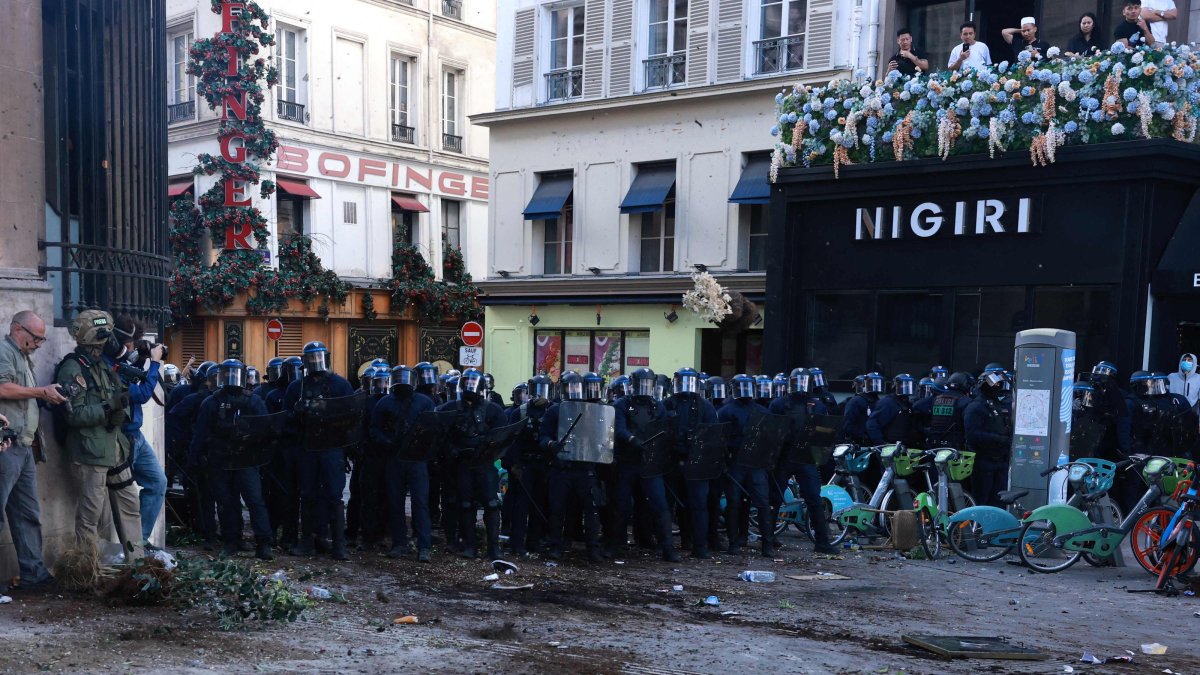
UN voices concern over violence at French student protests

France considers dissolving Alain Soral’s far-right association

France proposes a 17% levy on unclaimed savings

French left invokes patriotism ahead of 2027 presidential election

France’s 2027 presidential race remains uncertain

Mélenchon calls for abolishing Parcoursup and voting rights at 16
