Business · Energy & Commodities · 1 day ago
Supreme Court weighs whether climate lawsuits against oil companies can proceed
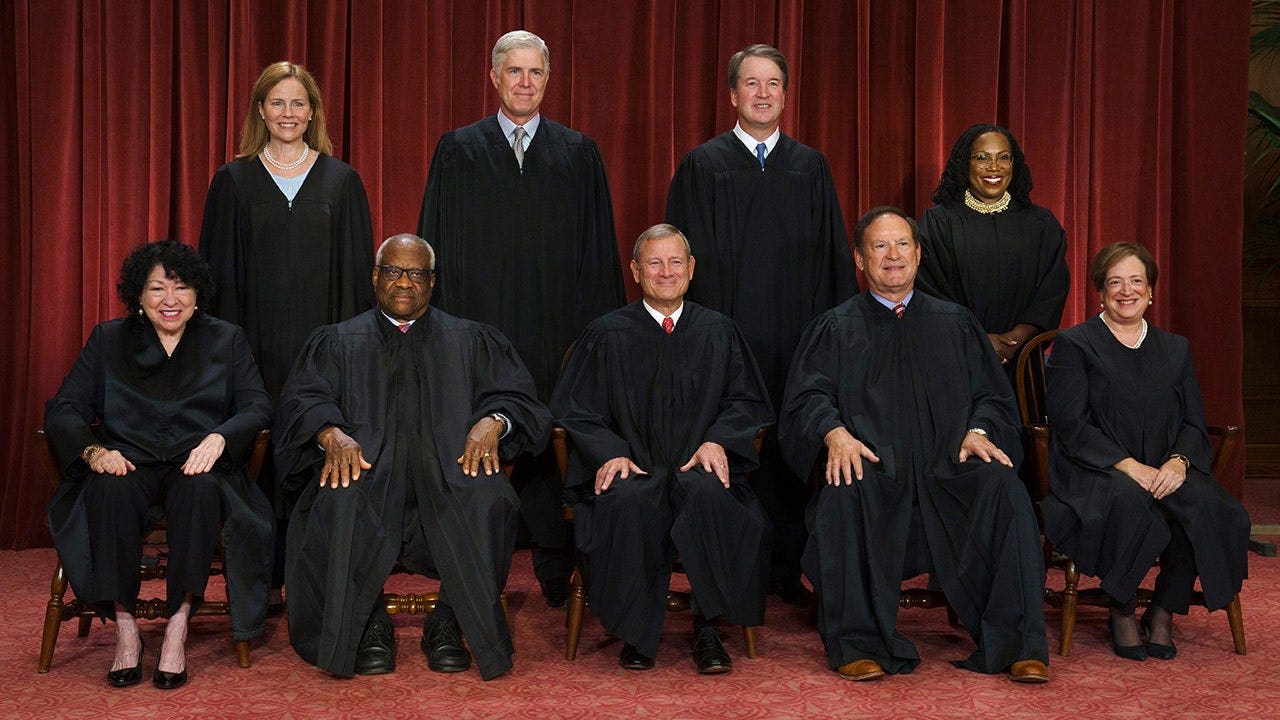
The Supreme Court heard arguments in a case brought by Boulder, Colorado, and its county against ExxonMobil and Suncor Energy.
The local governments say the companies contributed to climate change and misled the public about the risks of fossil fuels, and they seek money for climate-related costs.
The companies’ liability is not yet decided.
The justices are considering whether federal law prevents state-law lawsuits over alleged climate damage linked to emissions that cross state borders.
About 30 similar cases are pending in jurisdictions across the country.
Some justices raised concerns that allowing such cases could expose many kinds of businesses to lawsuits, while energy policy experts warned that the costs could lead to higher fuel prices.
The Supreme Court’s decision will determine whether Boulder’s case can proceed.

The Supreme Court heard arguments in a dispute over whether cities and states can sue oil companies under state law for alleged climate damage.
The case, Suncor v. Boulder, concerns a lawsuit brought by Boulder, Colorado, against ExxonMobil and Suncor Energy.
Boulder says the companies contributed to climate change and misled the public about fossil-fuel risks, and seeks damages for climate-related costs.
The companies warn that allowing the lawsuits to proceed could expose businesses to substantial financial liability.
The justices raised questions about whether the legal theory could extend to other industries and lead to widespread litigation.
- Who
- The city and county of Boulder, Colorado, are suing ExxonMobil and Suncor Energy.
- What
- The Supreme Court is weighing whether federal law prevents cities and states from suing oil companies under state law for alleged climate damage.
- When
- The court heard arguments Monday; a photo caption identifies the arguments as taking place on Oct. 5, 2026.
- Where
- The arguments were before the U.S. Supreme Court. The lawsuit was brought in Colorado.
- Why
- Boulder seeks damages to help cover costs of climate-related harms and says the companies contributed to climate change and misled the public.
Boulder
Oil companies and opponents of the lawsuits
Legal basis
Boulder
Boulder says states can use tort law to provide remedies for injuries within their borders.
Oil companies and opponents of the lawsuits
Opponents argue the lawsuits seek to impose climate policy through courts and may extend liability to businesses beyond oil producers.
Purpose and consequences
Boulder
Boulder says its case concerns alleged harms within Colorado, not regulation of national climate policy.
Oil companies and opponents of the lawsuits
Energy policy experts warn that allowing the cases could cause financial harm to companies and raise fuel prices.
You would see mass exodus and that would create more scarcity with fuel, more so than we're seeing already today, higher prices
Since the founding, states have had the power to provide tort remedies for injuries occurring within their borders even when the conduct causing those injuries occurred elsewhere
That it's an effort to get a backdoor carbon tax, because carbon taxes have never passed in Congress, or to …
An internal ExxonMobil memo reported that current scientific opinion overwhelmingly favored a link between fossil fuels and rising CO2 emissions.
Boulder sued ExxonMobil and Suncor Energy, alleging they contributed to climate change and misled the public.
The Supreme Court heard oral arguments in Suncor v. Boulder.
- Case
- Suncor v. Boulder
- Plaintiffs
- City and county of Boulder, Colorado
- Defendants
- ExxonMobil and Suncor Energy
- Lawsuit filed
- 2018
- Similar lawsuits
- Roughly 30 are pending in jurisdictions across the country
- Damages sought
- To help cover the mounting costs of climate-related harms
Sources
Related news

Wall Street stocks rise ahead of inflation data

Apple reportedly cuts iPhone 18 Pro component orders by up to 20%

SpaceX spectrum deal deepens Starlink’s push into U.S. mobile service

Amazon in talks to buy AI startup Decart for about $7 billion

Starbucks has explored a possible takeover of Chipotle

Netflix reportedly plans to cut 5% of its workforce
Meta bans ByteDance ads across its platforms in seven countries

Isaias Shuts In More Than Two-Thirds of Gulf Oil Production

Los Angeles Fine-Dining Restaurants Expand Non-Alcoholic Pairings

Apple reportedly cuts iPhone 18 Pro component orders by up to 20%

Nvidia in talks over investment in or acquisition of Reflection AI