Health · Pharma & Biotech · 1 day ago
Advocates seek subsidised weight-loss drugs for women with PMOS

An Australian advocacy group is asking the government to subsidise GLP-1 weight-loss medicines for people with PMOS.
PMOS, formerly known as polycystic ovarian syndrome, affects about one in eight women and can cause irregular periods, weight gain and other symptoms.
It is a lifelong condition with no cure and can increase the risk of type 2 diabetes, cardiovascular disease and endometrial cancer.
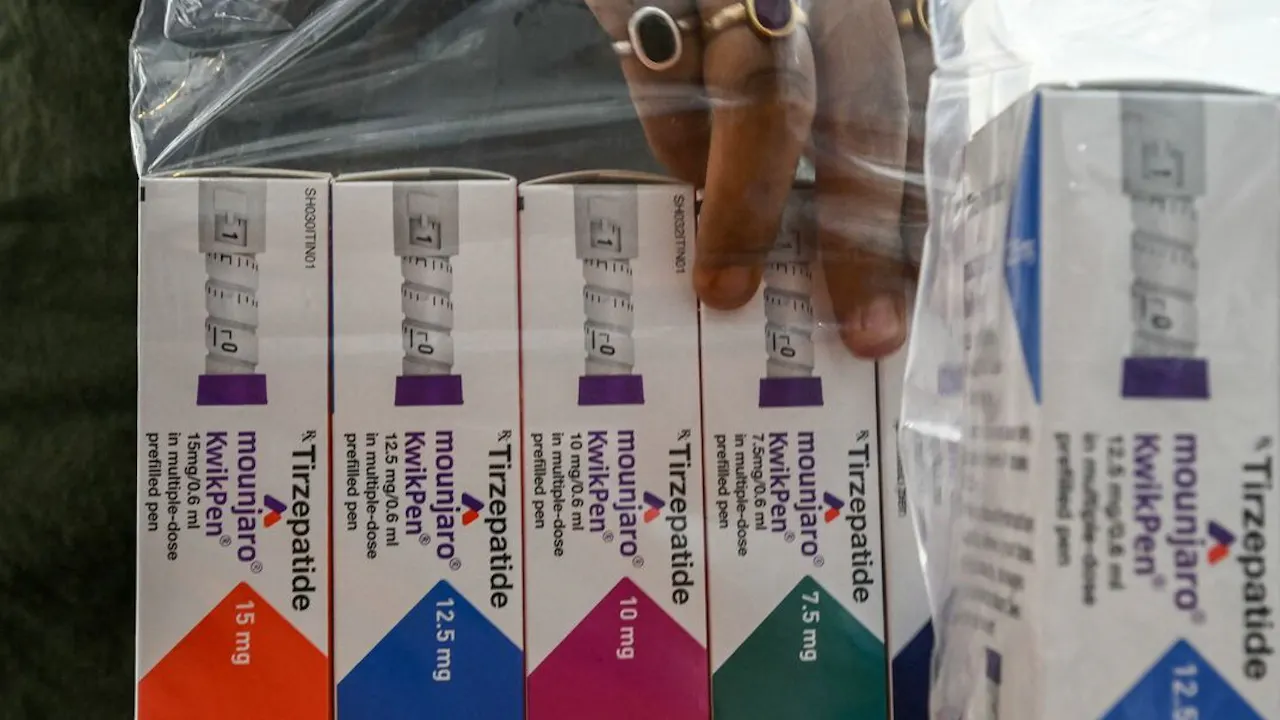
GLP-1 medicines can reduce hunger and help manage blood sugar, but they are not specifically approved in Australia to treat PMOS; some patients receive them off-label.
The medicines can cost several hundred dollars a month, which advocates say puts them out of reach for some people.
The medicines are not currently subsidised for PMOS, though Ozempic is subsidised for diabetes.
A government committee is due to consider a revised proposal to subsidise Wegovy for obesity next month, while further research is needed on GLP-1 drugs’ long-term safety and effectiveness for PMOS.

The Polyendrocrine Metabolic Ovarian Syndrome Association of Australia is urging the government to subsidise GLP-1 medicines for people with PMOS through the Pharmaceutical Benefits Scheme.
PMOS, formerly known as polycystic ovarian syndrome, affects one in eight women and can involve irregular periods, excess hair growth, weight gain and hair thinning.
The lifelong condition has no cure and can increase the risk of type 2 diabetes, cardiovascular disease and endometrial cancer.
GLP-1 medicines are not specifically approved by the Therapeutic Goods Administration to treat PMOS, but some patients receive them off-label and advocates say cost can put them out of reach.
The Royal Australasian College of Physicians has no current position on whether GLP-1s are appropriate for PMOS, while QENDO says further research is needed on their long-term effectiveness and safety for the condition.
- Who
- The Polyendrocrine Metabolic Ovarian Syndrome Association of Australia and people living with PMOS
- What
- Advocates are calling for GLP-1 weight-loss medicines to be subsidised for people with PMOS
- When
- The article was published on 9 October 2026
- Where
- Australia
- Why
- Advocates say the medicines are costly and access should be equitable; evidence on their long-term effectiveness and safety for PMOS remains limited.
This story does not have two clearly opposing sides.
it’s really important that there’s equitable access
They’re not necessarily the only tool we have available to us, and that is important because long-term use is expensive, and it doesn’t look like these are going to be on the PBS anytime soon, and maybe not ever for conditions such as PMOS
While emerging evidence suggests potential benefits for some patients, further research is needed to establish their long-term effectiveness and safety specifically for PMOS
This story does not have a timeline yet.
- PMOS prevalence
- The condition affects one in eight women.
- PBS status
- Ozempic is listed on the PBS for diabetes treatment only.
- Wegovy recommendation
- The Pharmaceutical Benefits Advisory Committee recommended subsidising Wegovy for people with a body mass index above 35 last November.
- Upcoming committee meeting
- The committee is due to consider Novo Nordisk’s revised proposal to list Wegovy for obesity next month.
- Estimated use of weight-loss medicines
- A UNSW study found in July that half a million Australians were estimated to use weight-loss medications regularly.
Sources
Related news

Baby Sleep Gripe Water Recalled After Alcohol Found in Testing

FDA Warns Amazon Over Unapproved Herpes Treatments

Possible Wrong Dose Raises Questions for PDE9 Drug Trials in Heart Failure

Experimental eye drops improve vision in a small study of a rare eye disease

Brazil suspends Peptistrong supplement and orders all batches recalled

FDA approves atezolizumab with chemotherapy for some stage III colon cancers

Review links drug company gifts to more and less appropriate prescribing
Taboos limit sales of weight-loss drugs in India despite obesity rates

Roche reports year-long results for eye drug Vamikibart

Daily painkiller use can hide the cause of ongoing pain
Swiss oncologist warns US drug pricing pressure could delay cancer therapies