

Science & Tech · Space · 2 hrs ago
Gold nanogap sensor distinguishes amino acid handedness
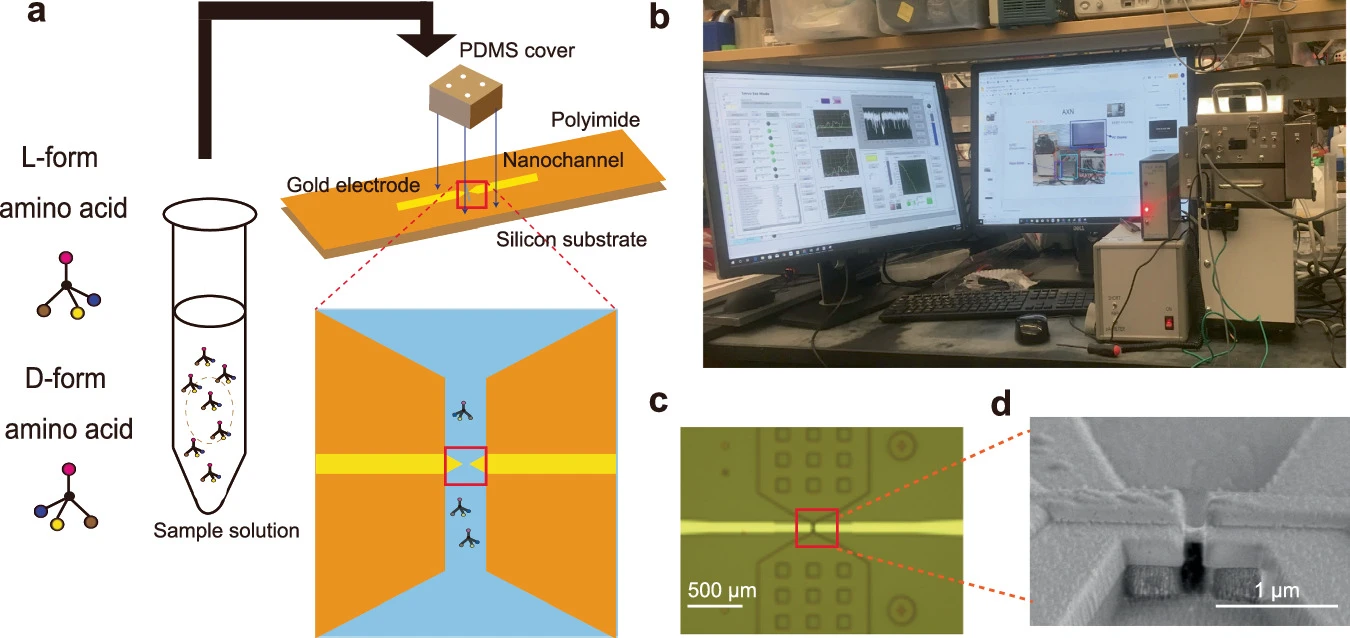
Osaka University researchers developed a sensor to identify amino acids and their handedness using two gold wires with a gap smaller than a nanometer.
Amino acids come in left- and right-handed forms, and life as we know it uses them unevenly, unlike non-living processes that typically produce a mix of both.
That imbalance could help researchers look for signs of life in samples from elsewhere in the solar system.
The sensor detects electrical changes as a molecule passes through the gap, and a machine-learning system distinguished the two forms about 87.6% of the time for a specific amino acid.
In tests, it identified amino acids in controlled samples and in extracts from Atacama Desert soil and the Murchison meteorite.
The compact method could reduce the equipment needed for spaceflight analysis, though the researchers tested it in the lab and the story gives no timeline for use on a mission.

Researchers at Osaka University have developed a gold nanogap sensor designed to distinguish amino-acid handedness.
The device uses quantum tunneling between two gold-wire tips separated by 0.56 to 0.58 nanometers.
A machine-learning classifier distinguished L- and D-forms of a specific amino acid about 87.6% of the time.
In tests, the sensor identified amino acids and their handedness down to sub-nanomolar limits.
The researchers also tested environmental extracts from the Atacama Desert and the Murchison meteorite.
- Who
- Researchers led by Takahito Ohshiro and Masateru Taniguchi of Osaka University.
- What
- They developed a solid-state quantum tunneling sensor that distinguishes amino-acid types and handedness.
- When
- The article was published on 2026-10-13; the research paper’s publication date is not stated.
- Where
- Osaka University researchers conducted the work; tests included samples from the Atacama Desert and the Murchison meteorite.
- Why
- Existing methods for distinguishing amino-acid handedness require substantial equipment, making them burdensome for spaceflight applications.
This story does not have two clearly opposing sides.
Researchers tested the system using 20 standard biological amino acids, representing 39 total forms.
Researchers analyzed soil from the Atacama Desert and material from the Murchison meteorite.
The Murchison meteorite fell on Australia.
- Sensor gap
- 0.56 to 0.58 nanometers
- Applied voltage
- 0.1V
- Classification accuracy
- Roughly 87.6% for L- and D-forms of a specific amino acid
- Test set
- 20 standard biological amino acids, representing 39 forms
- Environmental samples
- Atacama Desert soil and Murchison meteorite material
What people are saying
A machine learning classifier, they were able to correctly distinguish between the L- and D- forms of a specific amino acid roughly 87.6% of the time.
Sources
Related news
NASA’s Perseverance rover sets record with 45.2km driven on Mars
SpaceX rocket plume creates a glowing ‘jellyfish’ in the dawn sky

Hubble data point to a possible second-generation planet around a white dwarf

ORBES plans to send robots to the ISS and capture exterior footage

Vast engineer Brianna Clark works on technology for future space living

FAA analyst Kayla Bigham works to keep commercial spaceflight safe
Halley's Comet disappointed many viewers in 1986 but advanced astronomy
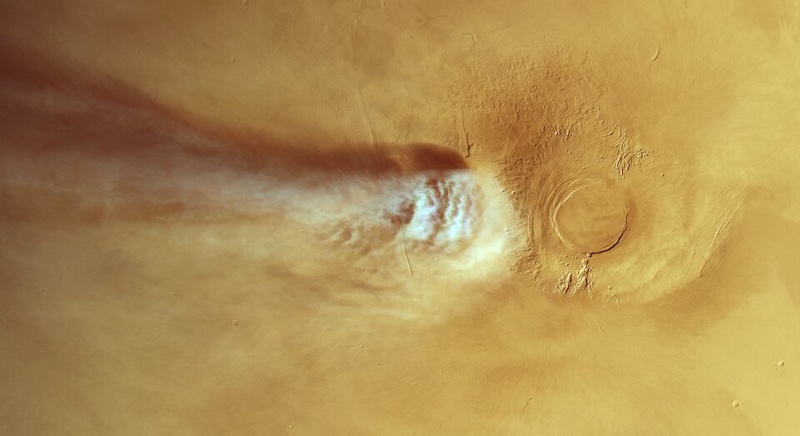
New simulations suggest rare process forms Mars's giant Arsia Mons cloud
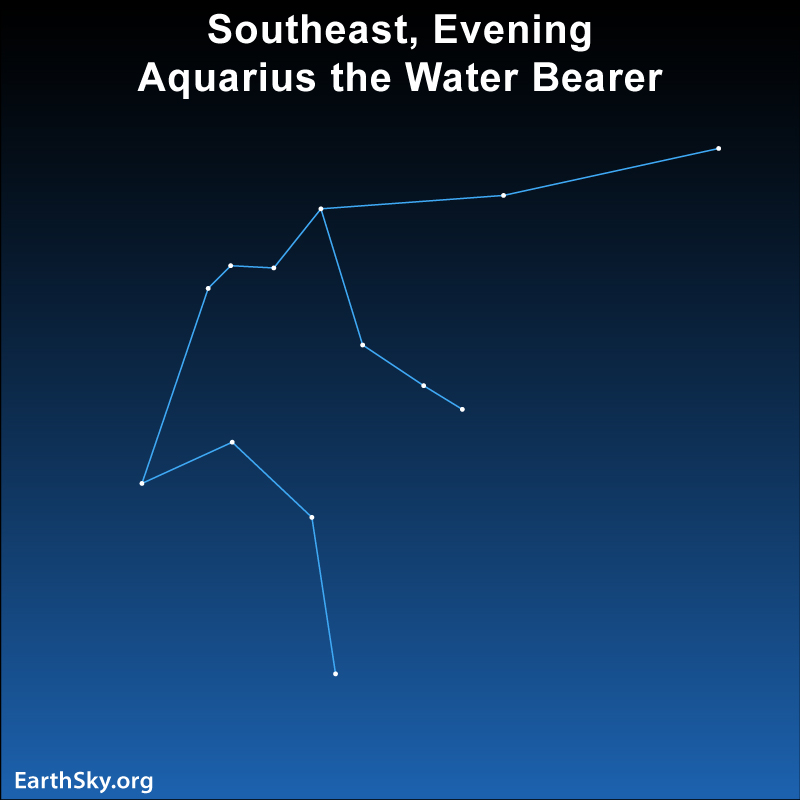
Aquarius is best seen on autumn evenings in the Northern Hemisphere
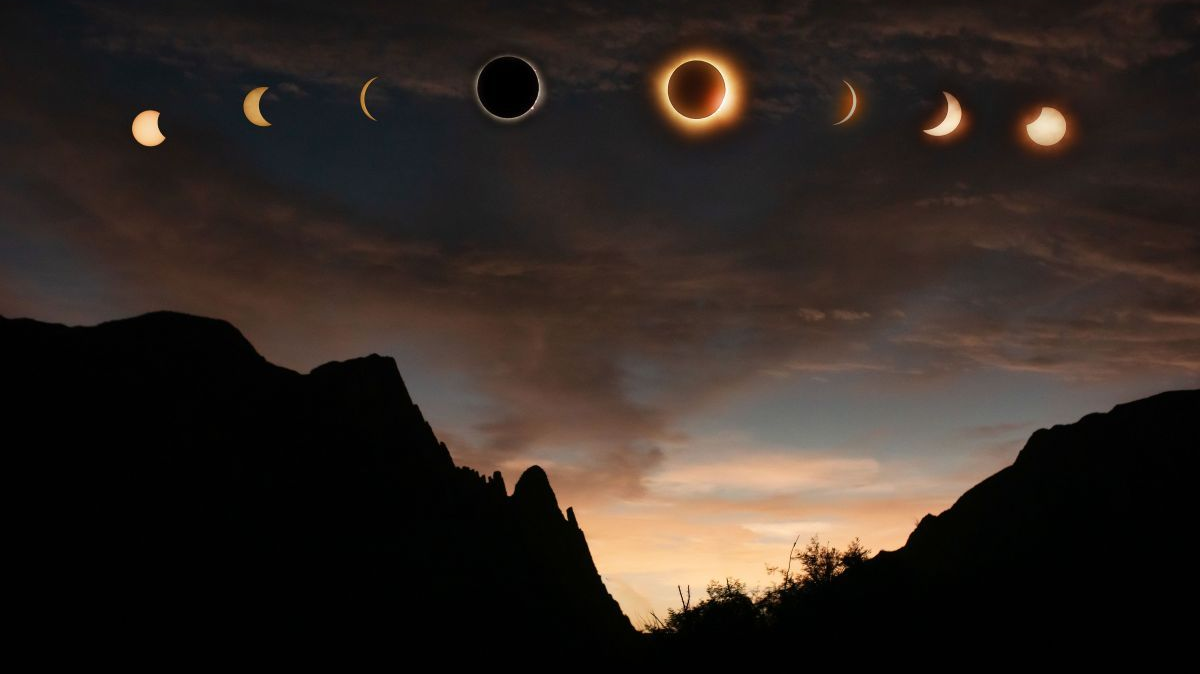
NASA predicts two solar eclipses in 2027
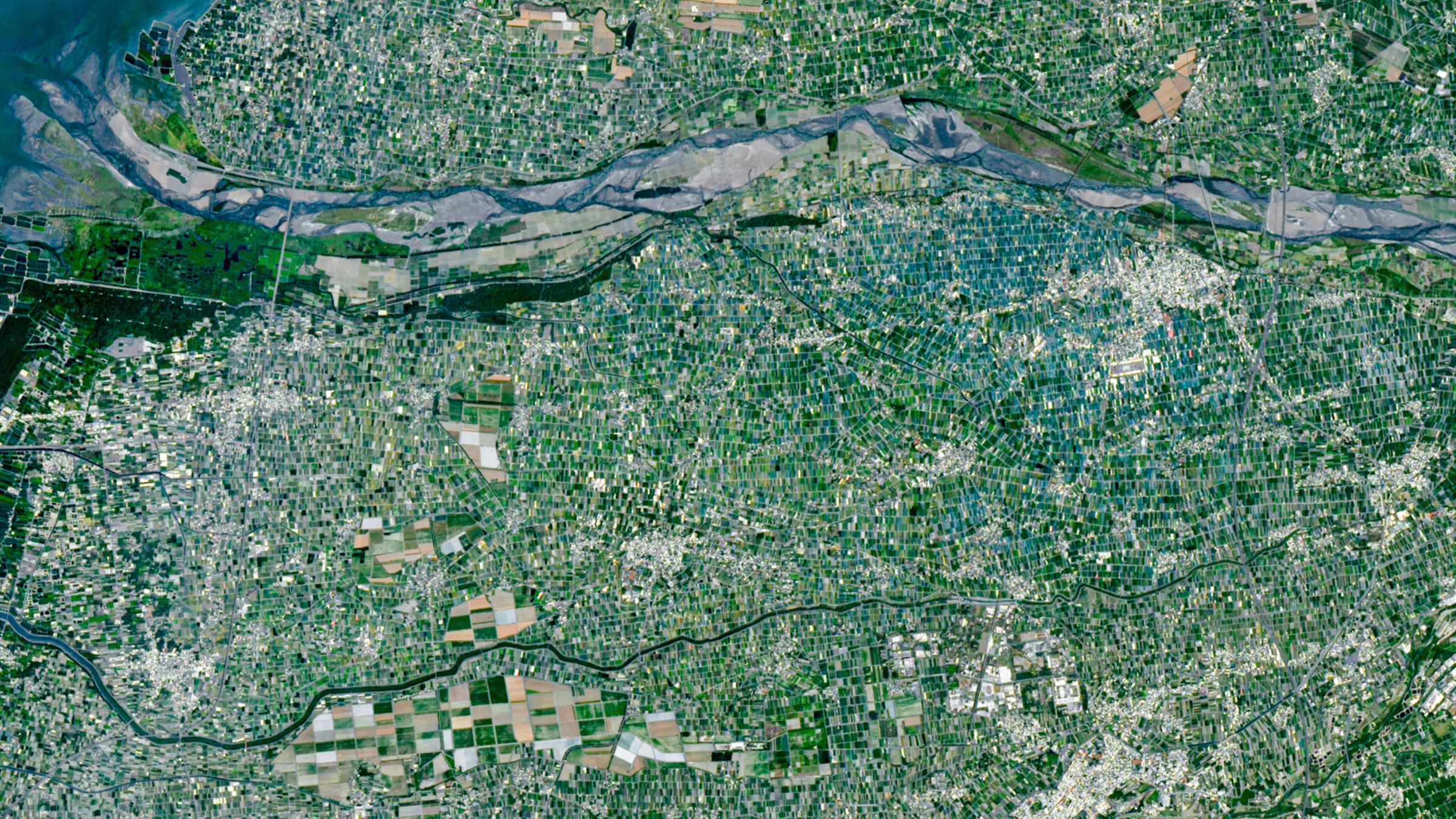
Landsat 9 captures a mosaic of farms around Taiwan’s longest river
