

World · South & Central Asia · 1 day ago
DNA testing slows identification of Nepal landslide victims
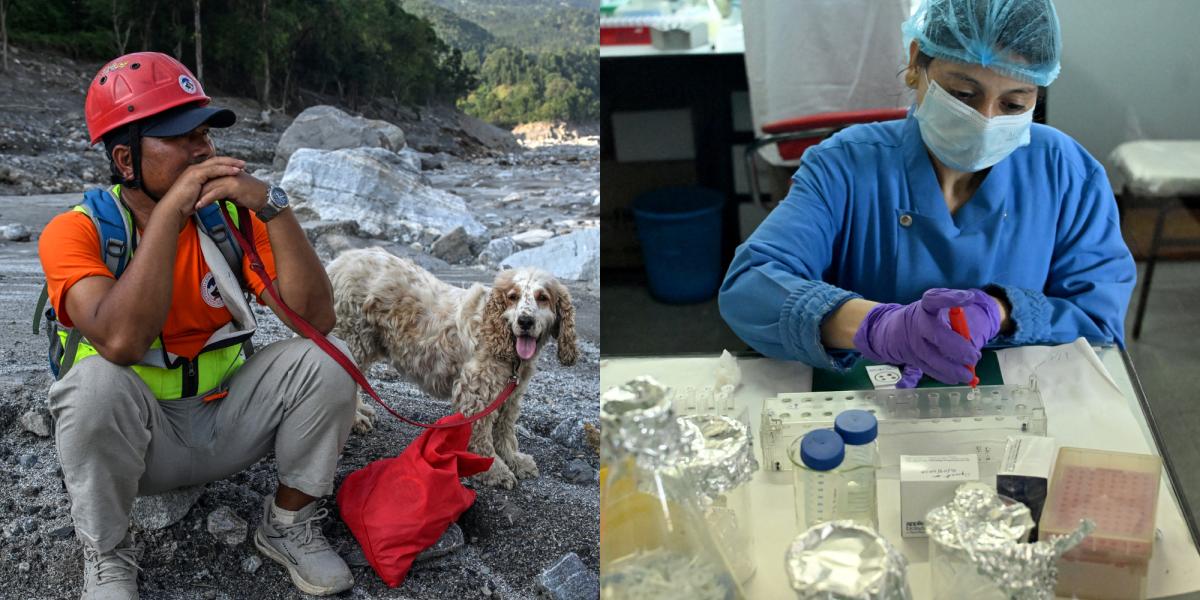
A landslide at the end of August sent water and debris into Betrawati, Nepal, after ice and rocks broke loose near the China border.
Nepal has recovered 1,454 bodies, including many partial remains, but only just over 100 have been identified and returned to families.
Another 5,285 people are missing in Nepal, while Chinese state media report 43 deaths and 519 missing in China.
Forensic teams are testing 3,685 samples, but identifying someone requires DNA from both remains and relatives for comparison.
Nepal's two forensic laboratories have limited staff and equipment, and some samples from bones or teeth take several days to process.
More than 1,200 bodies have been buried with labels so they can be recovered if a DNA match is found.
Experts expect identification to take weeks, and teams from other countries are expected to help start comparisons; until then, families remain uncertain about the fate of their loved ones.

A landslide at the Nepal-China border in late August triggered a torrent of water and debris, leaving thousands dead or missing.
Nepal has recovered 1,454 bodies, but only slightly more than 100 have been identified and returned to their families.
Forensic teams are processing 3,685 samples, and experts say identification could take weeks.
The work is slowed by fragmented remains, limited staff and technical capacity, and the need to compare DNA with samples from relatives.
More than 1,200 bodies have been buried with identifying numbers and labels so they can be retrieved if DNA matches are found.
- Who
- Nepalese authorities and forensic experts are working to identify victims, while families wait for news of missing relatives.
- What
- DNA testing is being used to identify victims of a landslide and the resulting torrent of water and debris.
- When
- The disaster struck in late August. The article was published on 2026-10-10.
- Where
- Betrawati and other areas in Nepal; the landslide occurred at the Nepal-China border.
- Why
- Identification is slow because remains are fragmented, forensic capacity and staffing are limited, and DNA profiles must be compared with samples from relatives.
This story does not have two clearly opposing sides.
Now we process thousands.
We understand people's pain.
It is not enough to extract a DNA profile to identify someone.
I have searched everywhere, but I have not been able to find his body.
A landslide at the Nepal-China border sent water and debris into Betrawati and other areas.
Nepalese authorities recovered 1,454 bodies, and more than 1,200 were buried with numbers and labels.
Forensic teams were analyzing 3,685 samples, with slightly more than 100 bodies identified.
Experts expected to begin comparing DNA profiles, with support equipment sent by several countries.
- Bodies recovered in Nepal
- 1,454
- Bodies identified
- Slightly more than 100
- Forensic samples under analysis
- 3,685
- Missing in Nepal
- 5,285
- Bodies buried with numbers and labels
- More than 1,200
- Dead and missing in China
- 43 dead; 519 missing
Sources
Related news

Flash flood prompts evacuations along Nepal’s Budhi Gandaki River

China-India ties thaw, but military relations remain strained
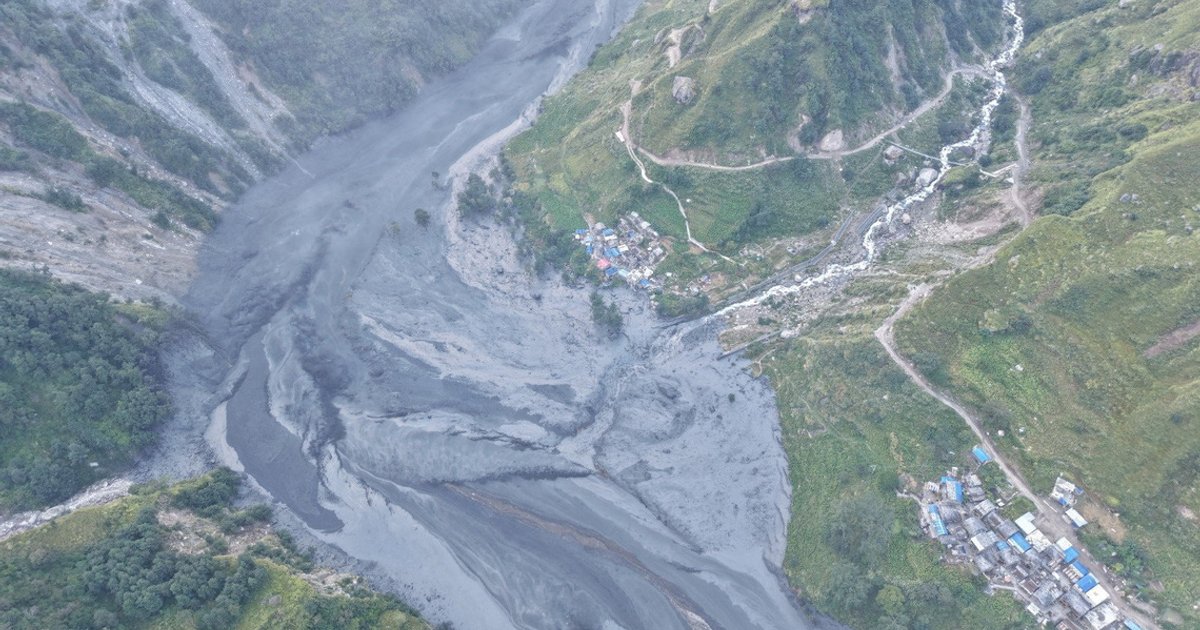
Flood in central Nepal leaves five missing and sweeps away homes and bridges

India condemns Vance’s remarks as US curbs green card filings at IT firms

TNSTC bus conductor arrested over alleged gutka transport
Two killed in separate Bengaluru two-wheeler crashes
Two train drivers injured in separate stone-throwing incidents near Tuni and Samalkot

Humanitarian worker Steve Jones dies aged 77
India rejects UN rights office concerns over Delhi protest detentions

India warns Pakistan against using nuclear threats as political pressure at UN

Sri Lanka has no immediate plan to help 19 Iranian ships facing shortages
