

Politics · South Korea · 1 hr ago
South Korea’s anti-corruption agency wins few warrants and mishandles two searches
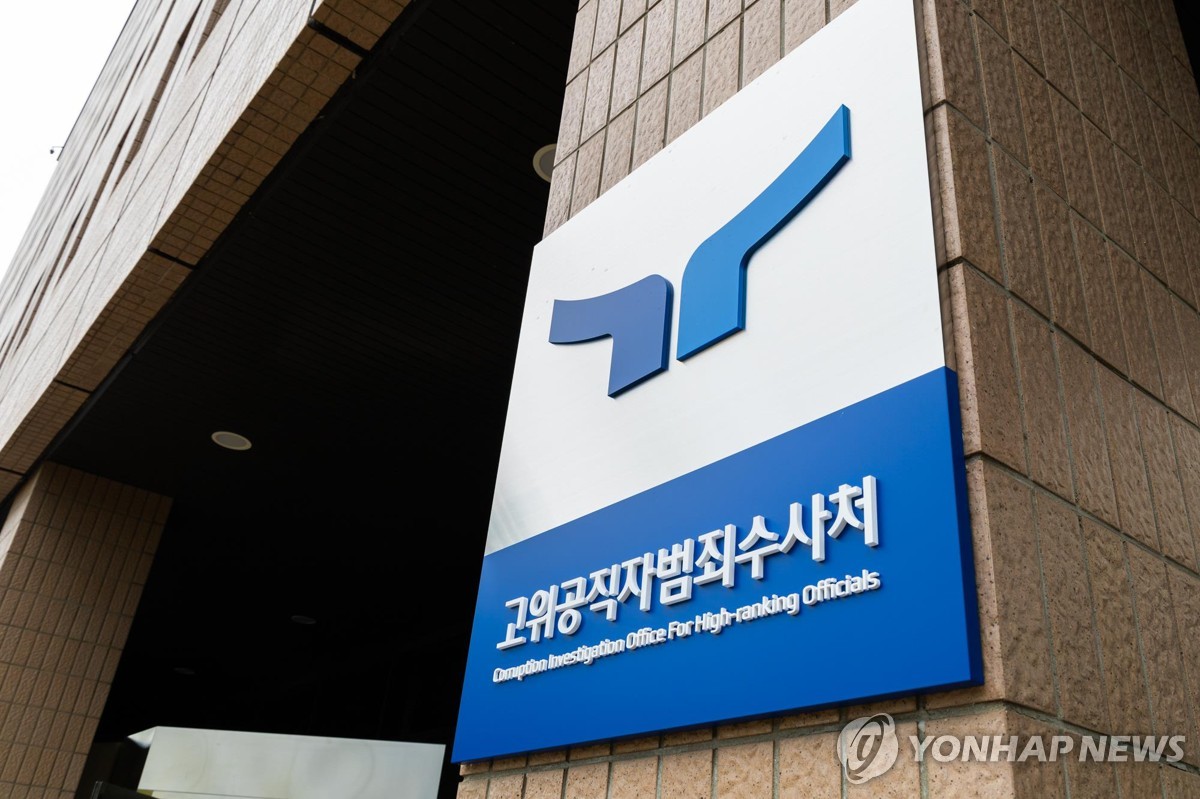
South Korea’s Corruption Investigation Office for High-ranking Officials investigates alleged crimes by senior public officials.
From its launch through August 2026, courts approved 2 of the 8 arrest warrants it sought, 6 of 12 detention warrants and 177 of 260 search warrants.
These rates were below the national averages for all investigative agencies last year.
In two cases, courts found evidence gathered in searches could not be used because the agency did not protect the searched person’s right to take part in the process.
One case involved former prosecutor Son Jun-sung and ended in a final acquittal by the Supreme Court.
In a separate case involving a former police superintendent, an appeals court rejected evidence from a digital examination, and the case is now before the Supreme Court.
A lawmaker said the figures raised concerns about the agency’s investigative ability and called for it to follow legal procedures properly.

South Korea’s Corruption Investigation Office for High-ranking Officials (CIO) obtained only two of eight arrest warrants it sought from its launch through the end of August 2026.
It also obtained six of 12 requested detention warrants and 177 of 260 search warrants.
All three warrant approval rates were below the average for all investigative agencies last year.
Two searches were found to have failed to follow required procedures, affecting the admissibility of evidence.
Lawmaker Ju Jin-woo questioned the agency’s investigative ability and called for it to observe due process and basic investigative practices.
- Who
- South Korea’s Corruption Investigation Office for High-ranking Officials (CIO).
- What
- Data showed low warrant approval rates and two searches in which procedural failures affected evidence.
- When
- The figures cover the period from the CIO’s launch through the end of August 2026; the report was published on October 13, 2026.
- Where
- South Korea.
- Why
- Lawmaker Ju Jin-woo said the warrant rejections and problems with search procedures raised doubts about the CIO’s investigative ability.
This story does not have two clearly opposing sides.
The CIO obtained an arrest warrant for former Defense Intelligence Command chief Moon Sang-ho in connection with the December 3 emergency martial law case.
The CIO obtained an arrest warrant for former President Yoon Suk Yeol in connection with the same case.
The reporting period for the CIO’s warrant figures ended; it had sought eight arrest warrants and received two.
Yonhap reported the warrant figures and two cases involving searches that affected evidence admissibility.
- Arrest warrants
- 2 granted out of 8 sought; 25% approval rate
- Detention warrants
- 6 granted out of 12 sought; 50% approval rate
- Search warrants
- 177 granted out of 260 sought; 70.2% approval rate
- All-agency averages in 2025
- 78.6% for arrest warrants, 96.6% for detention warrants and 90.6% for search warrants
- Procedural cases
- Two searches affected evidence admissibility
- Report date
- October 13, 2026
What people are saying
The CIO’s investigative ability is in doubt, with warrant rejections compounded by questions over evidence admissibility because of poor execution.
It must properly observe due process and get the basics of investigation right.
Sources
Related news
South Korea’s president defends agency chiefs’ attendance at cabinet meetings

South Korea’s Kim Min-seok criticises lawmaker over ‘extreme’ political remarks

South Korean opposition lawmakers call for fair trade chief to resign

South Korean lawmakers clash over resolution on DMZ mine blast
South Korea fair-trade chief stands by criticism of conglomerates

Suseong appoints 15 public architects for two-year advisory terms
Chu Mi-ae rejects claim she neglects Gyeonggi duties for national politics

Lawmakers question process for merging South Korea’s Korail and SR

Democratic Party urges discipline for three ruling-party lawmakers over audit remarks

South Korea official says government results are not yet felt in daily life

Seoul aims to start construction on 30,000 homes by Christmas
