Politics · Spain · 2 hrs ago
Spain’s Supreme Court keeps voting suspension for many new citizens
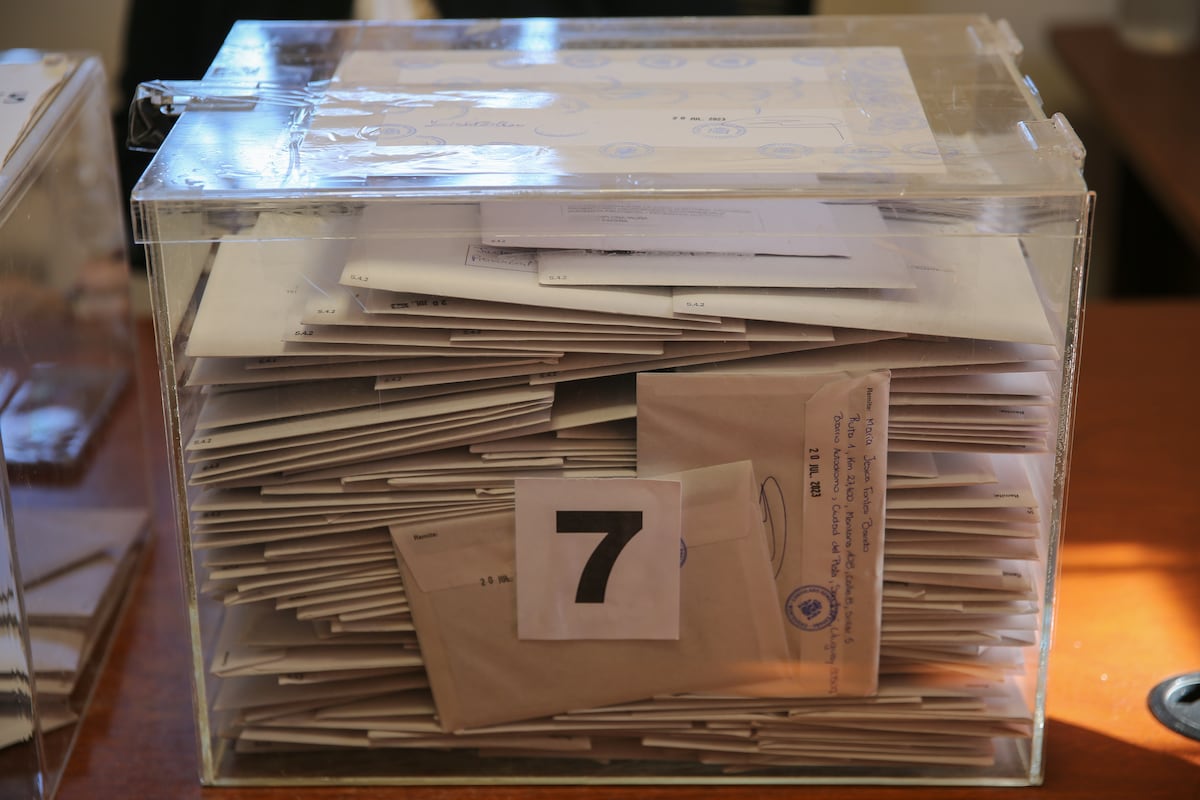
Spain’s Supreme Court upheld a voting suspension for many people who gained Spanish citizenship through a law for descendants of exiles.
The ruling affects people living abroad who are registered, or seeking registration, in the overseas electoral census; government figures put the number at 163,020.
People who qualified directly under the 2022 law can vote if they were on the electoral roll before it closed on 1 August and can document their descent from exiles.
The suspension remains for those whose citizenship relied on a later government instruction that presumed exile for some people who left Spain between 1936 and 1955.
The court said election-roll accuracy and transparency take priority, rejecting the government’s argument that there was too little time to review the cases before the 29 November election.
The government’s legal services concluded that only affected individuals can seek a constitutional appeal; the electoral roll has already closed, so a decision may not come before the vote.

Spain’s Supreme Court has upheld a suspension affecting the voting rights of many people who gained Spanish nationality under the “law of grandchildren” for the 29 November general election.
People who obtained nationality under the 2022 law by documenting descent from exiles may vote if they were registered by 1 August and obtain consular certification.
The suspension remains for people whose nationality relied on a Justice Ministry instruction that presumed exile for some people who left Spain between 1936 and 1955.
The court said the measure was needed to protect the accuracy and transparency of the electoral register.
The government and the public prosecutor had argued that there was not enough time to review the affected records before the election.
- Who
- Spain’s Supreme Court ruled on voting rights for people who gained Spanish nationality under the “law of grandchildren.
- What
- The court upheld the suspension for many affected voters, while allowing some to vote if they meet documentation and registration conditions.
- When
- The decision was issued on 12 October 2026. The election is scheduled for 29 November.
- Where
- Spain; the case concerns overseas voters registered in the CERA electoral roll.
- Why
- The court said it needed to protect the accuracy and transparency of the electoral roll.
The Supreme Court majority
The government and public prosecutor
Reason for the suspension
The Supreme Court majority
The majority said the risk of irregularities in the electoral roll persisted and that the public interest in a reliable register outweighed individual voting rights.
The government and public prosecutor
The government and prosecutor argued that there was not enough time to review the affected records before the election and that the suspension could violate the right to vote.
How to address the risk
The Supreme Court majority
The majority said the administration had not provided enough information about its review of the affected records to justify lifting the measure.
The government and public prosecutor
The government and prosecutor asked the court to lift the suspension so affected descendants of exiles could vote.
The Supreme Court initially ordered a precautionary suspension; the sources give different dates for that order.
The Supreme Court rejected the State Attorney’s appeal and upheld the suspension for the 29 November election.
Spain’s general election is scheduled to take place.
- Affected CERA voters
- 163,020, according to figures cited by the court
- Electoral register cutoff
- 1 August 2026
- Election date
- 29 November 2026
- Court decision
- Five judges supported it and one dissented
- Presumed exile period
- 18 July 1936 to 31 December 1955
What people are saying
The risk of an irregular electoral register, in this case the CERA, without the accuracy, veracity, equality, objectivity and transparency required for an election in a representative parliamentary democracy such as Spain continues with the same intensity
The right to vote is not an absolute right
In these circumstances, protecting the effective exercise of the fundamental right to political participation should prevail over maintaining a provisional measure based on a legal dispute that is still awaiting final resolution
Sources

Los consejos de españoles residentes en el extranjero defienden el derecho a voto el 29-N

El Gobierno alerta de la “gravedad” de restringir el voto y critica que el PP hable de “pucherazo”
El Gobierno critica la "utilización política" de la suspensión del voto de los beneficiados por la 'ley de nietos': "Es trumpismo"

La decisión del Supremo sobre la 'ley de nietos' cierra la puerta a un recurso del Gobierno ante el Constitucional

El Supremo deja sin voto a los nacionalizados por la instrucción de la ‘ley de nietos’
El Supremo y la ‘ley de nietos’ inundan los salones del Palacio Real
El juego macabro con el derecho al voto

El Gobierno lamenta la decisión del Supremo sobre la ley de nietos: "Parece que el derecho al voto no es tan relevante para algunos"
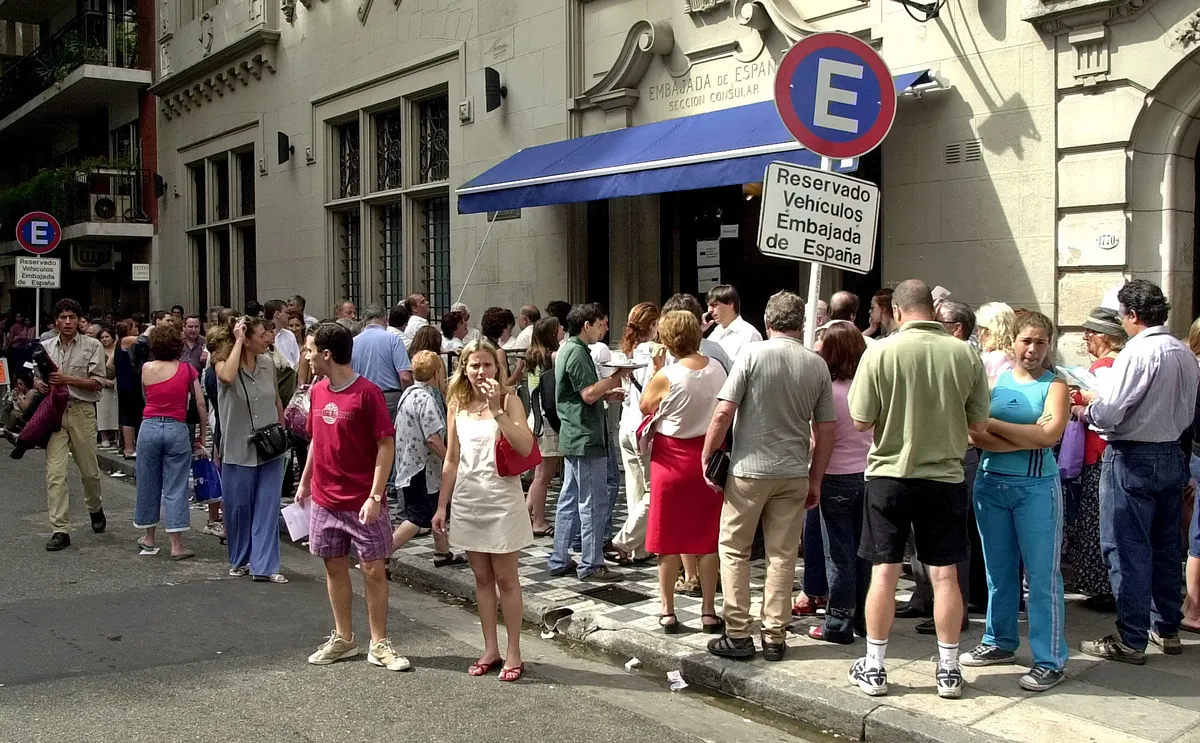
El Supremo mantiene la suspensión del voto para la 'ley de nietos': "El riesgo de que se constituya irregularmente un censo de electores persiste con la misma intensidad"
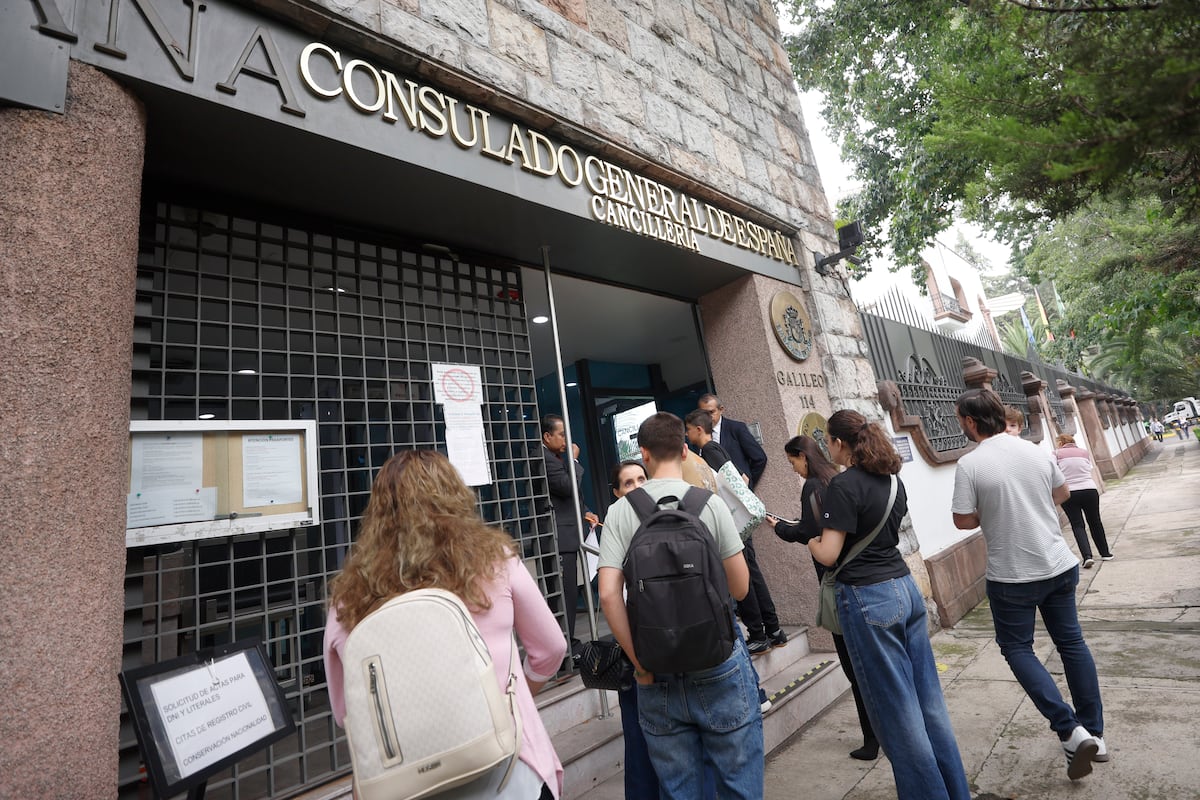
El voto particular en la decisión del Supremo sobre la ‘ley de nietos’: “El 29-N introdujo un elemento nuevo y decisivo”

El Supremo mantiene la suspensión del voto para los nacionalizados con la 'ley de nietos'

El Supremo mantiene la suspensión del derecho a voto de los nacionalizados por la ley de nietos
El Supremo mantiene para el 29-N la suspensión del derecho al voto de los nacionalizados por la ‘ley de nietos’
Related news
Spain’s King and Queen visit Ceuta amid tensions with Morocco

Spanish left-wing coalition proposes Ada Colau as candidate for prime minister
Former judge summoned in alleged effort to target judge Biedma

Spain moves to add 500 judges and 200 prosecutors in 2027

Vox and France’s National Rally leaders join forces ahead of elections

Madrid PP posts old video of journalist after she mocks Ayuso
Juan Rodríguez García-Lozano, father of José Luis Rodríguez Zapatero, dies at 100

Spanish royal family leads 12 October parade in Madrid
Cádiz PP calls for Algeciras mayor to resign after two sexual assault complaints

Company led by PSOE spokesperson’s partner rents at least 30 homes

Mertxe Aizpurua will not run again for EH Bildu in November election