2 hrs ago
India's Bullet Train Faces Delays, Costs and Japan Tensions
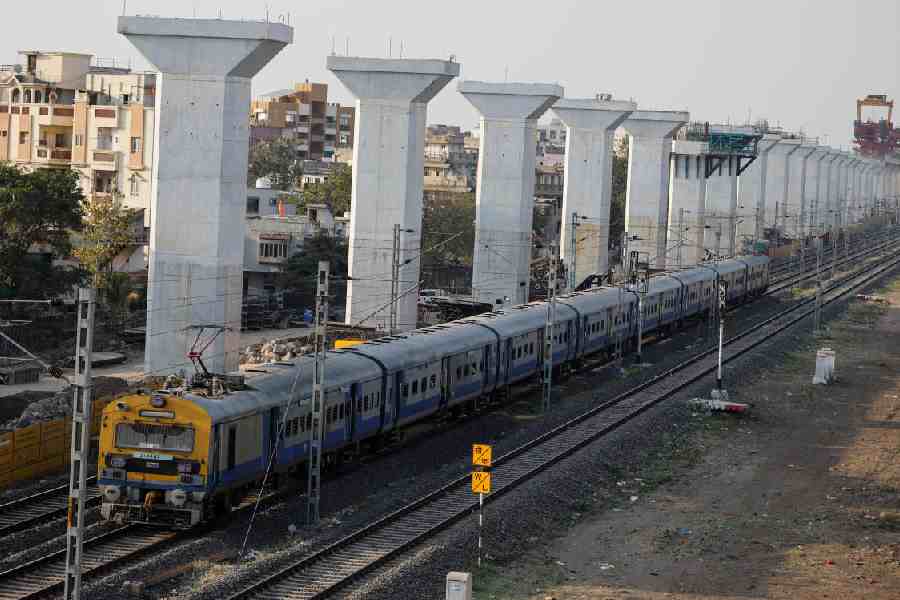
India is building a very fast train line between Mumbai and Ahmedabad.
Japan is helping with money and train technology.
The project has taken longer and become more expensive than first planned.
India and Japan disagree about how much of the system India should build itself.
Japan says the tracks, signals and trains work best when designed together.
India wants more local involvement and its own trains.
The first services were originally planned for 2023, but limited service is now expected in 2027 on part of the route.
Those trains are expected to be slower than the planned bullet trains.
The project also needs enough passengers willing to pay the fare.

India's 508-km Mumbai–Ahmedabad high-speed rail project was sanctioned in 2015.
Its estimated cost rose from Rs 980 billion to around Rs 1.87 trillion.
Japan is financing up to 81% of the project through a low-interest loan.
The original 2023 service target slipped; limited operations are now expected in 2027 on 100 km.
India and Japan differ over system integration, procurement and domestic development of high-speed trains.
- Who
- India and Japan, working on the Mumbai–Ahmedabad high-speed rail project.
- What
- The project faces delays, rising costs and disagreements over technology, procurement and domestic participation.
- Where
- The planned corridor runs between Mumbai and Ahmedabad, through Maharashtra and Gujarat.
- When
- The project was sanctioned in 2015; its original 2023 service target has slipped, with limited operations expected in 2027.
- Why
- Land acquisition delays, cost increases and differences over how much of the Japanese system India should adopt have hindered progress.
India's Position
Japan's Position
How to build the system
India's Position
Indian officials want greater domestic participation and flexibility, including development of indigenous high-speed trains.
Japan's Position
Japan argues that the track, signalling and trains should function as an integrated system for safety, reliability and punctuality.
Project implementation
India's Position
Indian officials have pressed for flexibility and higher domestic involvement; the report also describes differences over timelines and implementation.
Japan's Position
Japanese officials say differing corporate cultures and attitudes to project timelines have complicated cooperation.
Key facts
- Route
- Mumbai–Ahmedabad, covering 508 km
- Original project estimate
- Rs 980 billion in 2015
- Revised project estimate
- Around Rs 1.87 trillion
- Japanese financing
- Up to 81% of project cost, at 0.1% annual interest, repayable over 50 years with a 15-year moratorium
- Original service target
- 2023
- Current limited-service expectation
- 2027 on a 100 km stretch, using slower Indian-built trains
- Planned maximum speed
- Up to 320 km/h
- Stations
- 12
Quotes
A project participant in Japan
A participant in the Japanese side of the project, quoted by the Financial Times.
“The Indians set the goals high and don’t implement them to the full, but do it quite well.”
 telegraphindia.com
“The Japanese set the goals at realistic levels, and we implement them very well.”
telegraphindia.com
Sources
Related news
Japan Rail Official Defends Mumbai-Ahmedabad Bullet Train Timeline
Mumbai-Ahmedabad Bullet Train’s Surat-Vapi Section Targets 2027 Service

India's Indigenous Bullet Train Trials Expected May-June Next Year
First Maharashtra Steel Bridge Launched for Mumbai-Ahmedabad Bullet Train
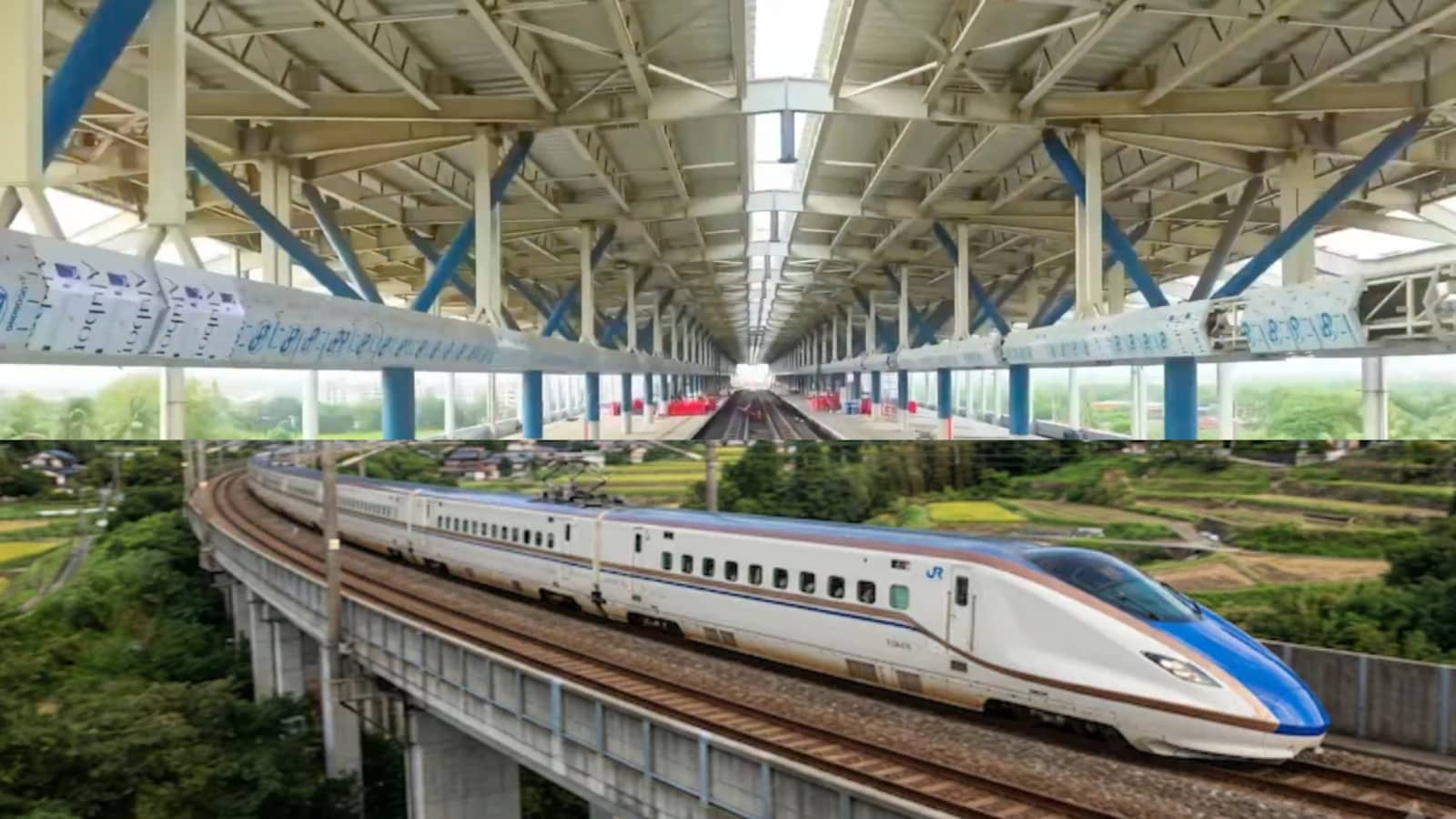
How India's 320 Kmph Bullet Train Changes Tracks Smoothly
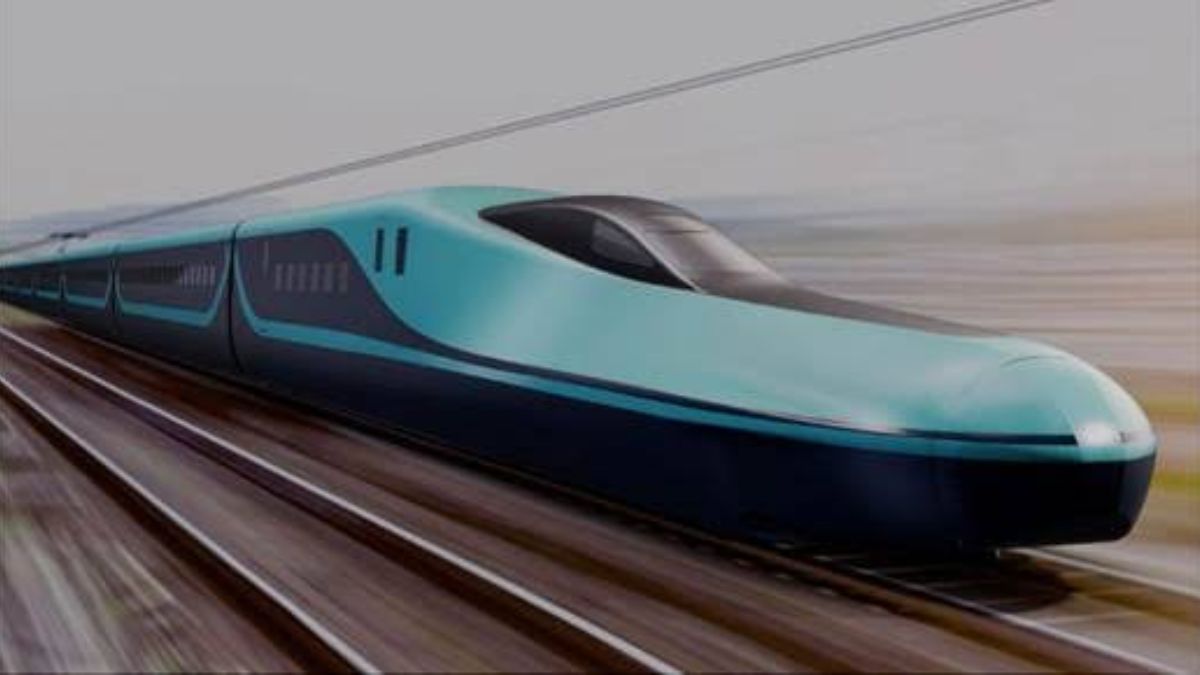
Mumbai-Ahmedabad Bullet Train Adds 28-Sensor Earthquake Safety System

Smart Maintenance Could Unlock 1% GDP Opportunity for India

Industry Leaders Urge Sustainable Growth and Technology Skills

Six 2026 Scholarships Offer Aid to Indian Students
JPMorgan Picks Power Equipment Stocks as India’s Grid Spending Rises