7 hrs ago
Mumbai-Ahmedabad Bullet Train Gets Earthquake Safety System

The Mumbai-Ahmedabad bullet train will have a special earthquake warning system.
It will use 28 machines called seismometers to detect shaking.
Twenty-two machines will be placed along the railway line.
Six more will be placed in nearby areas that have experienced strong earthquakes.
If the system detects an earthquake, it will quickly turn off electricity in the affected area.
The train will notice the power loss and apply its emergency brakes.
This is designed to stop trains before stronger earthquake waves reach railway structures.
The system is based on technology used by Japan’s Shinkansen trains.

The 508-kilometre Mumbai-Ahmedabad bullet train corridor will use 28 seismometers to detect earthquakes.
If an earthquake is detected, power will be automatically shut off in the affected area.
Trains will sense the power loss and activate emergency brakes to stop in the affected section.
Twenty-two sensors will be installed along the rail alignment, while six will be placed inland in earthquake-prone areas.
The first service is targeted for the 97-kilometre Surat-Vapi section on August 15, 2027.
- Who
- The National High Speed Rail Corporation Limited is developing the safety system for passengers and railway infrastructure.
- What
- The Mumbai-Ahmedabad bullet train corridor will receive a 28-seismometer earthquake detection system that can cut power and trigger emergency braking.
- Where
- The 508-kilometre corridor runs between Mumbai and Ahmedabad through Maharashtra and Gujarat; sensors will also be placed at selected inland locations.
- When
- The first service is targeted for August 15, 2027, on the Surat-Vapi section.
- Why
- The system is intended to detect earthquakes early and enable protective action before stronger seismic waves reach railway infrastructure.
Key facts
- Corridor length
- 508 kilometres
- Design speed
- 350 kmph
- Operational speed
- 320 kmph
- First planned section
- 97-kilometre Surat-Vapi section
- Target launch date
- August 15, 2027
- Total seismometers
- 28
- Alignment sensors
- 22 at traction substations and switching posts
- Inland sensors
- Six in earthquake-prone areas
Sources
Related news

Why Thane Bullet Train Station Will Rise Above Ground

India’s Indigenous Bullet Train Project Nears First Launch
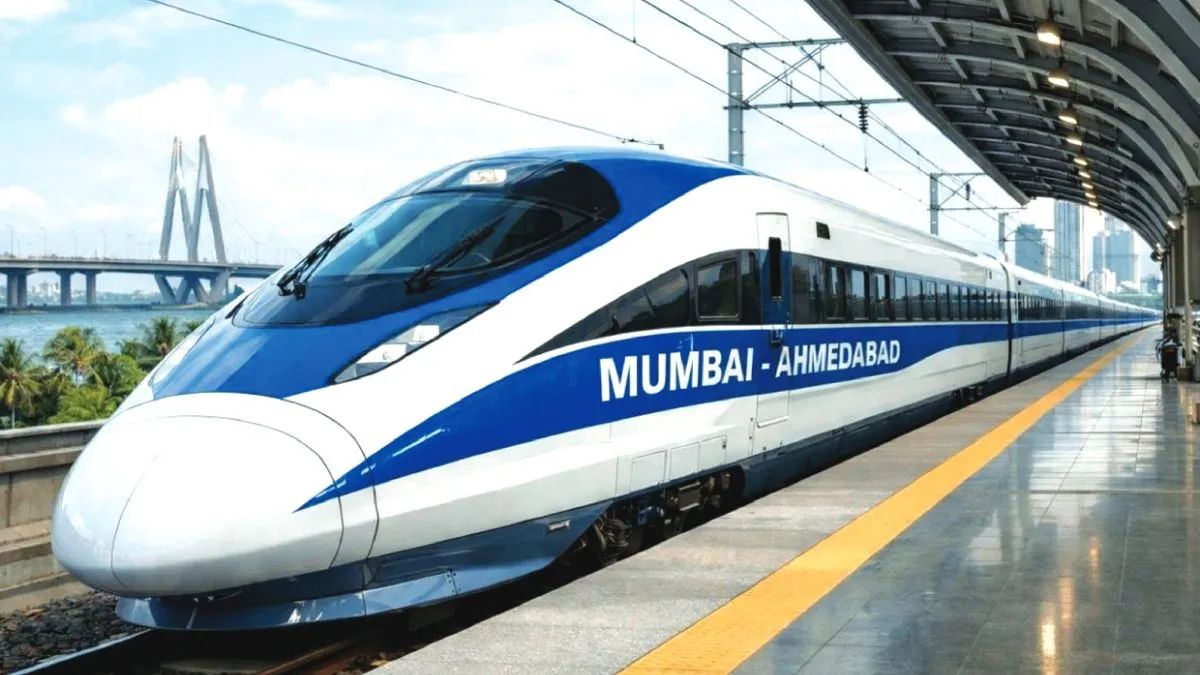
Mumbai-Ahmedabad Bullet Train Advances Across Thane-Palghar Construction Section

India's Indigenous Bullet Train Trials Expected May-June Next Year
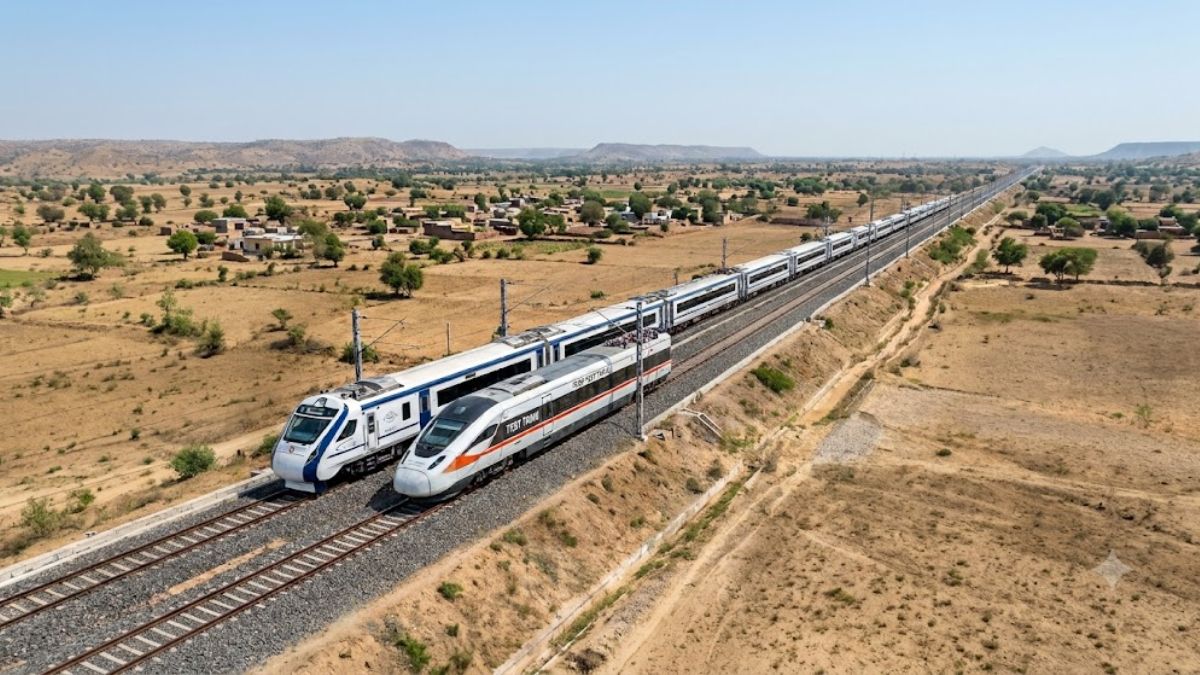
India’s High-Speed Rail Test Track Nears Completion

Palghar Ganeshotsav Traditions Enter Digital Record For UNESCO Campaign
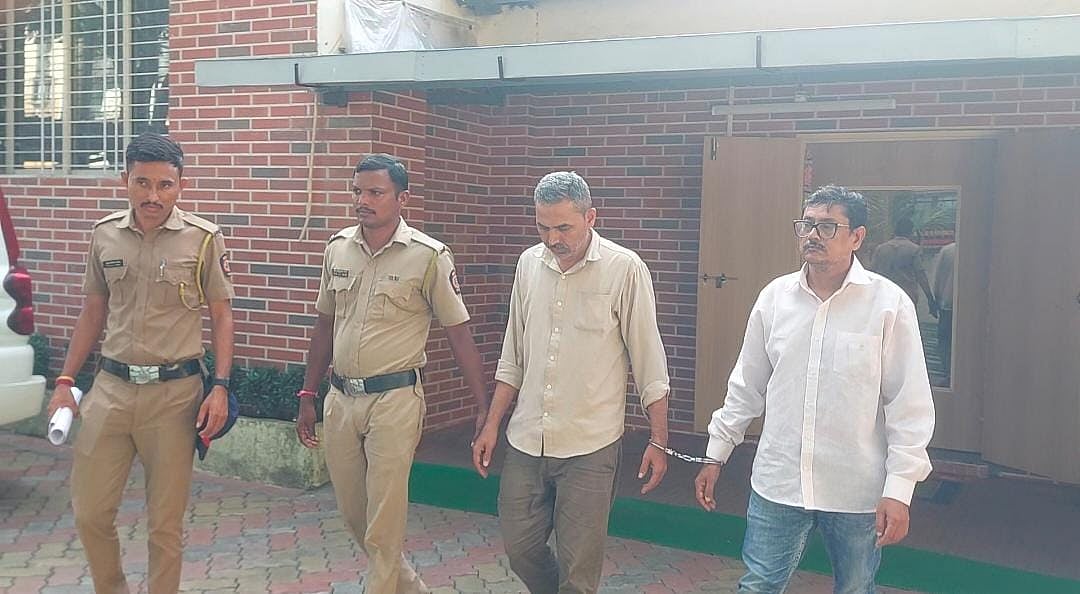
Maharashtra TET Leak: Two Arrested, All 18 Accused Held
IIT Bombay Crime Branch Probe Eyes Professor After Student Death

MSRTC Plans 200 Volvo Buses for Long-Distance Luxury Travel

Navi Mumbai Ganesh Festival to Feature Salil Kulkarni's Devotional Music