2 hrs ago
Mumbai-Ahmedabad Bullet Train Uses Special High-Speed Track Switches
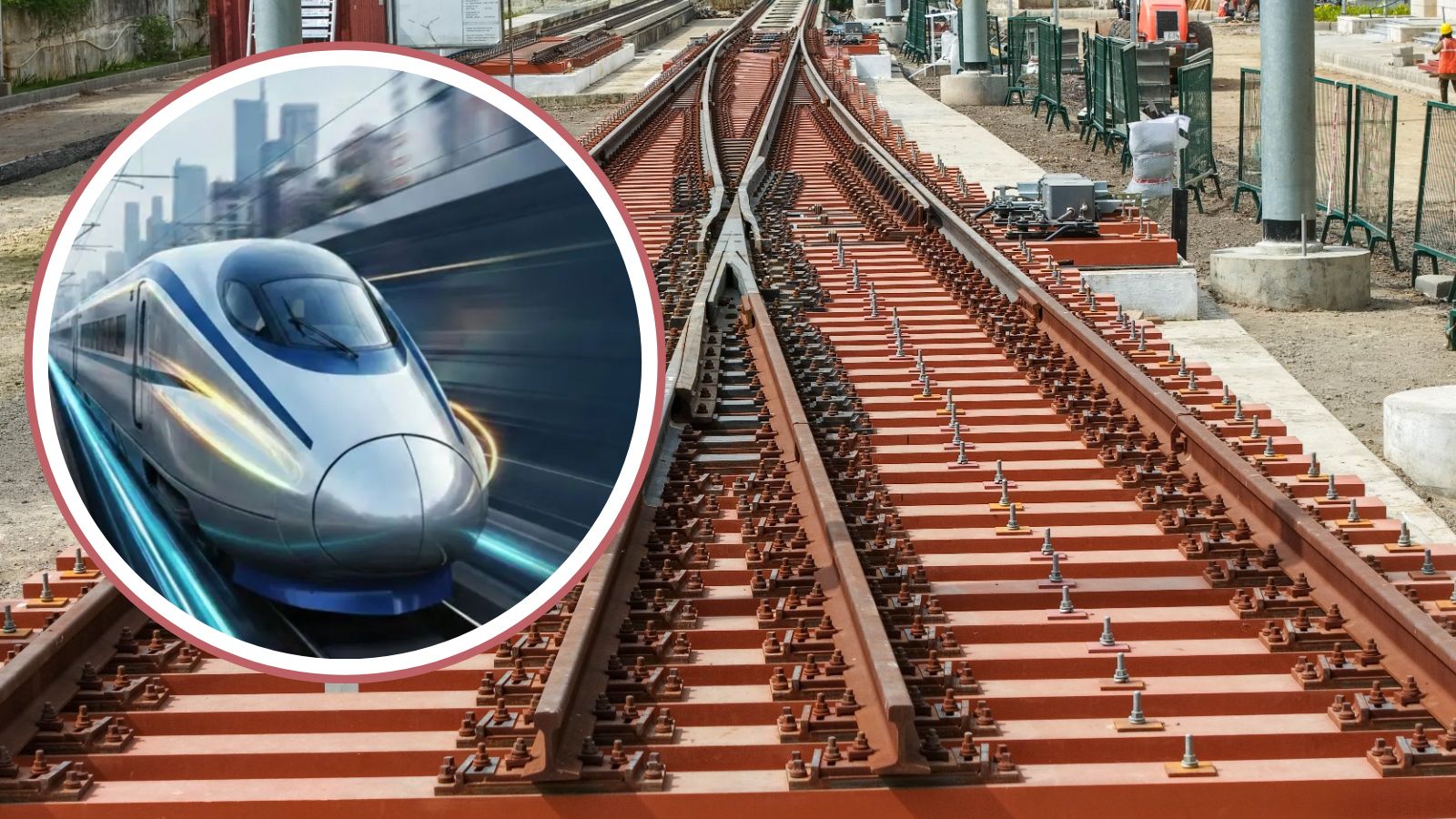
The Mumbai-Ahmedabad bullet train will use special technology to change tracks.
Changing tracks normally happens through a system called a turnout.
A turnout is the place where two railway tracks meet.
There is usually a small gap in the rail at that point.
At very high speeds, a train passing over the gap can cause more impact and shaking.
It can also make the tracks wear out faster.
The new system is designed to help trains change tracks safely and smoothly.
The trains are planned to travel as fast as 320 kmph on parts of the corridor.

The Mumbai-Ahmedabad bullet train corridor is being equipped with new technologies for high-speed operations.
The Ministry of Railways is targeting operations on a priority section next year.
Trains are expected to operate at speeds of up to 320 kmph.
A special track-switching system will allow trains to move between tracks safely and precisely.
Conventional turnouts contain small rail gaps that can increase impact, vibration and wear at high speeds.
- Who
- The NHSRCL and the Ministry of Railways are involved in developing and operating the corridor.
- What
- A special track-switching system is being introduced to help bullet trains change tracks at high speed.
- Where
- The technology is being used on the Mumbai-Ahmedabad bullet train corridor.
- When
- Operations on the priority section are targeted to begin next year, according to the article.
- Why
- It is intended to support safe, precise and smooth track changes at speeds of up to 320 kmph, where conventional rail gaps can cause greater impact, vibration and wear.
Key facts
- Project
- Mumbai-Ahmedabad bullet train corridor
- Priority-section target
- Operations are targeted to start next year
- Maximum stated speed
- Up to 320 kmph
- Key technology
- Special high-speed track-switching system
- Conventional system
- Turnout
- Safety concern
- Rail gaps can increase impact and vibration at very high speeds
- Maintenance concern
- Passing over the gaps can increase rail wear
Sources
Related news
Mumbai-Ahmedabad Bullet Train Adds 28-Sensor Earthquake Safety System
Mumbai-Ahmedabad Bullet Train Advances Across Thane-Palghar Construction Section
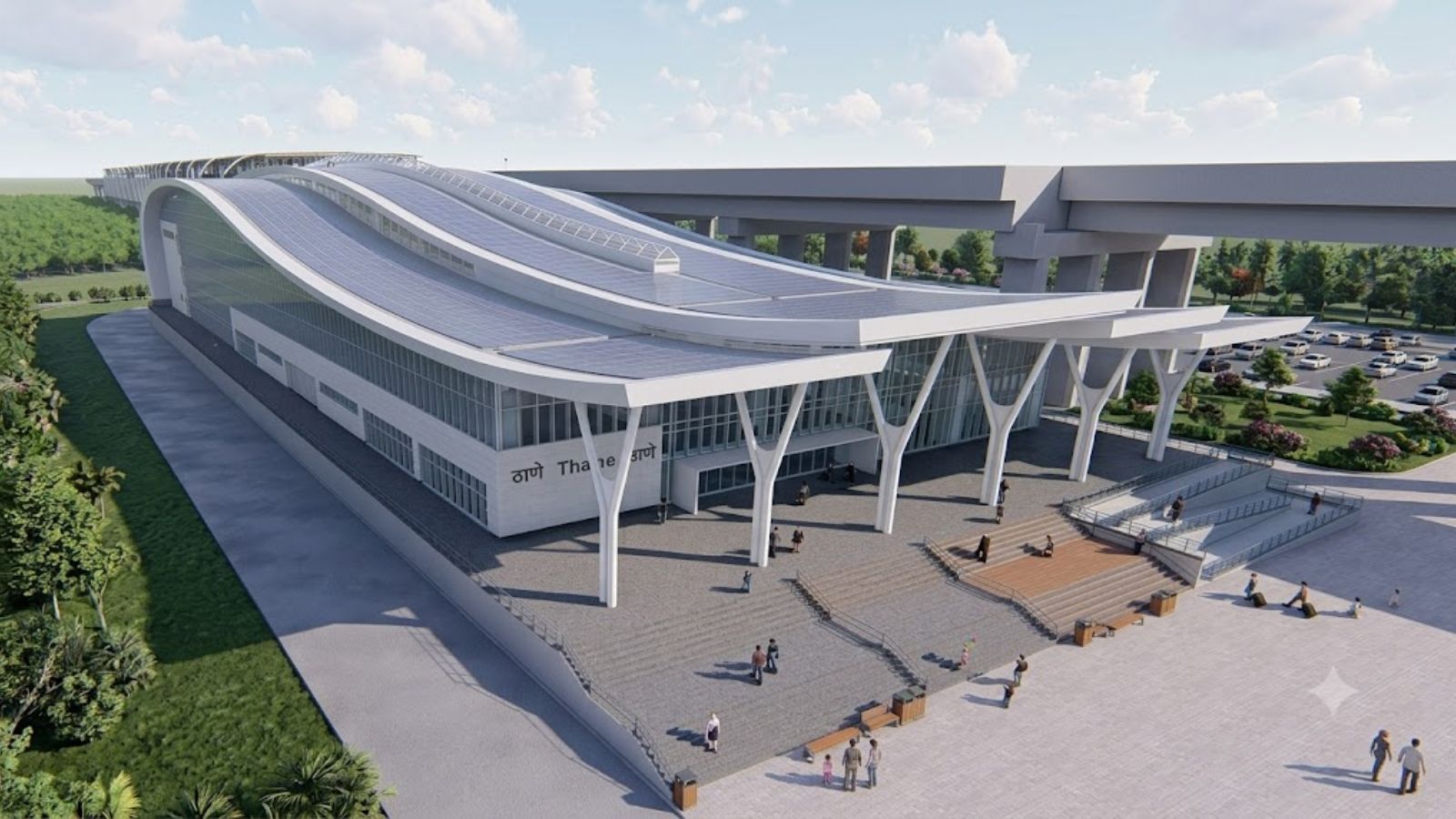
Why Thane Bullet Train Station Will Rise Above Ground
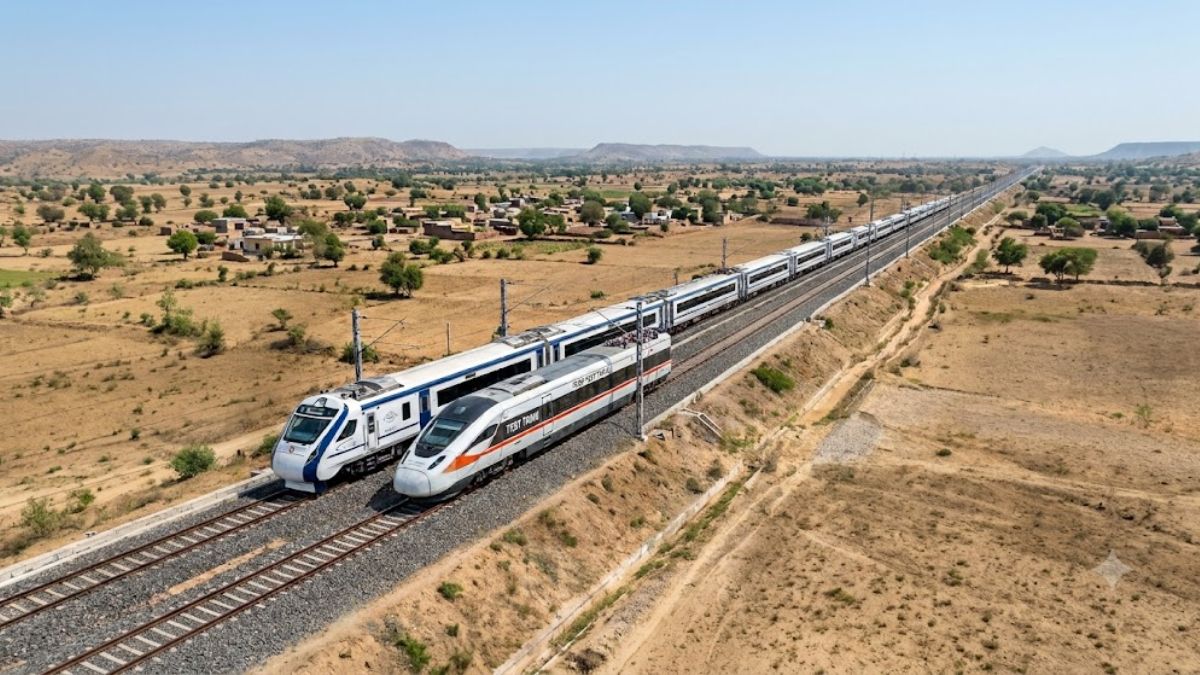
India’s High-Speed Rail Test Track Nears Completion

India's Indigenous Bullet Train Trials Expected May-June Next Year

India’s Indigenous Bullet Train Project Nears First Launch

RRB NTPC UG 2026 Applications Open October 15

Why India Needs Electric Transport to Cut Crude Dependence

Viral Vande Bharat Video Exposes Passenger Littering Despite Cleaning

Railway UPI Tickets Above Rs 2,000 Face Rs 5 MDR