

1 hr ago
Fuel Price Hike Sparks Syria’s Biggest Protests Since Assad’s Ouster
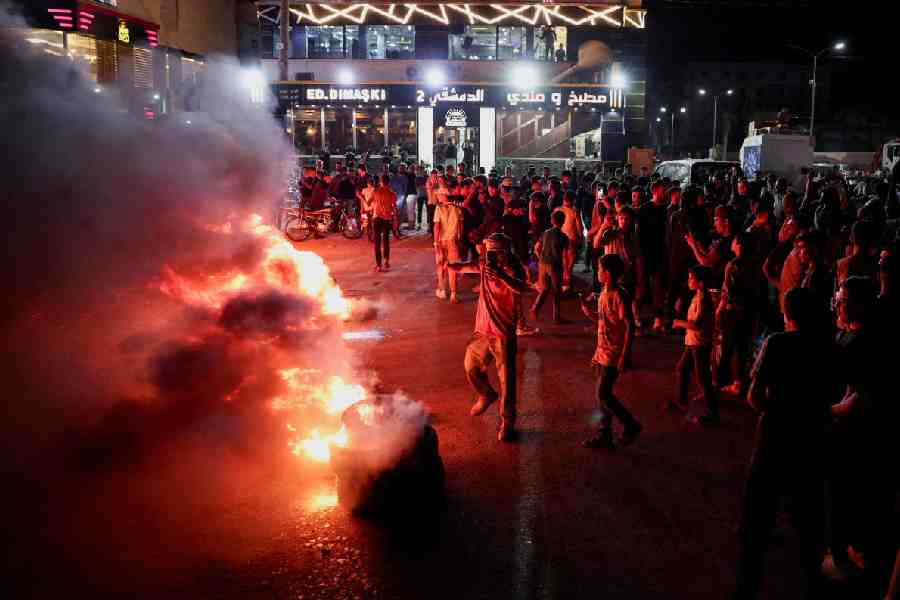
Syria raised the price of diesel and other fuels.
Diesel became 40% more expensive in one announcement.
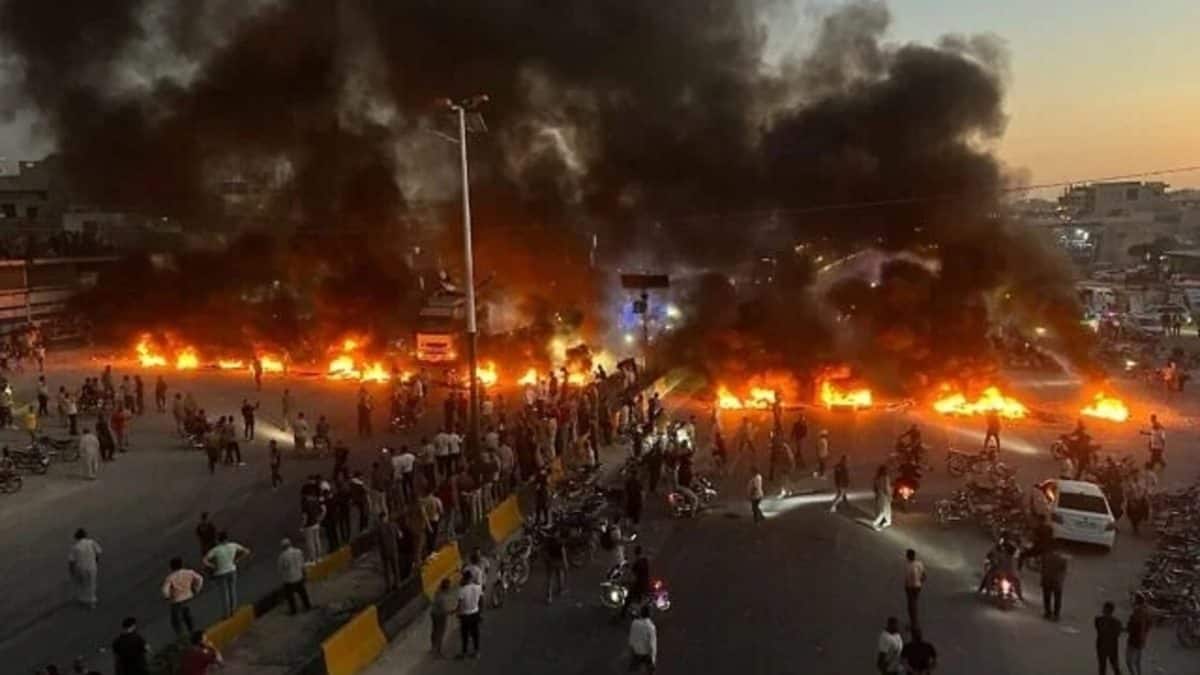
Many people protested by burning tyres and blocking roads.
Some roads between Damascus and Aleppo were blocked.
Protesters said fuel costs were making everyday life too expensive.
They asked the government to lower prices, rather than simply raise wages.
The government said the increases were temporary because imported fuel had become more expensive and harder to obtain.
Syria’s largest refinery was also closed for three months for maintenance.
People worry that higher fuel prices will make transportation, vegetables and other goods cost more.

Syria raised diesel prices 40% to 175 Syrian pounds per litre, triggering protests across the country.
Demonstrators burned tyres, blocked major roads and stopped crude-tanker convoys near Aleppo and central Syria.
Protesters demanded lower fuel prices and some called for the energy and economy ministers to resign.
The government said the increases were temporary and caused by import costs, shortages and supply disruptions.
Diesel has more than doubled since February, while 95-octane gasoline has risen about 86%.
- Who
- Syrian protesters, including drivers and residents in Aleppo, opposed fuel-price increases announced by the Syrian government.
- What
- Diesel prices rose 40%, while gasoline, gas and other fuel prices also increased, prompting widespread demonstrations.
- Where
- Protests occurred across Syria, including on roads between Damascus and Aleppo, near Aleppo and around crude-tanker routes.
- When
- The price increases were announced on Saturday, with protests reported on September 13, 2026.
- Why
- The government cited higher global procurement, refining, transport and supply costs amid Syria’s dependence on imported fuel.
Protesters’ demands
Government’s explanation
Fuel prices
Protesters’ demands
Protesters demanded lower diesel and other fuel prices, saying higher costs were making life unaffordable.
Government’s explanation
The government said the increases were a temporary response to higher global procurement and supply costs and could later be revised.
Government accountability
Protesters’ demands
Some demonstrators called for the dismissal of the energy and economy ministers and the head of the Syrian Petroleum Company.
Government’s explanation
The Energy Ministry defended the price changes by citing import dependence, refined-product shortages and higher refining and transport expenses.
Economic impact
Protesters’ demands
Protesters and drivers said fuel increases would raise fares, vegetable prices and the cost of other goods.
Government’s explanation
The government attributed the pressure to external supply disruptions, including reduced Russian refinery production and the closure of Syria’s largest refinery.
Key facts
- Diesel price
- 175 Syrian pounds ($1.32) per litre after a 40% increase
- 95-octane gasoline
- 195 Syrian pounds per litre after a 28% increase
- 90-octane gasoline
- 185 Syrian pounds per litre after a 26% increase
- Household and industrial gas
- Prices increased by about 9%
- Poverty rate
- The United Nations Development Programme estimates that 90% of Syrians live below the poverty line
- Russian crude imports
- Syria imported around 60,000 barrels per day from Russia this year
- Refinery disruption
- The Baniyas refinery was closed for three months for comprehensive maintenance
Quotes
Bassam al-Ali
An Aleppo protester who appealed to President Ahmed al-Sharaa.
“Border crossings bring in millions of dollars. We don't want new roundabouts or malls. We just want to live.”
 telegraphindia.com
“Now vegetables and everything else will go up with fuel prices. What is the solution? Steal? We can't steal”
telegraphindia.com
Sources
Related news
Syria Protests Erupt After Government Raises Fuel Prices Amid Tensions
Iran Doubles Gasoline Prices for Heavy Users Amid Economic Strain

Iran Prepares for Painful Fuel Hike Amid US Sanctions
US Diesel Prices Hit Record High Amid Iran War

Diesel Tops $6 as Brent Oil Surges Ahead of Midterms

Iran’s Economic Crisis Deepens as Food Prices Soar, Rial Falls

Saudi Pipeline Attacks Redefine Middle East Oil Risk
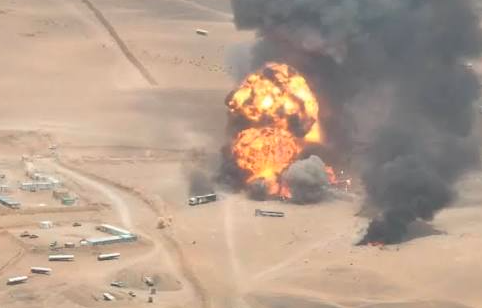
Iraq Says Saudi Pipeline Attacks Came From Its Territory

Syria’s Mezzeh Airport Redevelopment Draws Grave, Land Rights Concerns
