1 hr ago
Saudi Pipeline Attacks Redefine Middle East Oil Risk

Attacks on oil pipelines in Saudi Arabia showed countries that oil can be moved in different ways.
Saudi Arabia was able to redirect its oil through pipelines.
Analysts say Iran may still try to control the Strait of Hormuz after the war ends.
This could continue to make oil shipments in the region risky.
The United Arab Emirates already has a pipeline that avoids the strait.
It is now working to increase that pipeline’s capacity.
Iraq is considering a route through Syria to the Mediterranean Sea.
Chevron may become involved in building pipelines in Iraq.

Saudi Arabia successfully diverted oil through pipelines after attacks.
Analysts expect Iran to keep trying to control the Strait of Hormuz.
The United Arab Emirates is accelerating efforts to expand pipeline capacity around the strait.
Iraq is considering routing oil through Syria to the Mediterranean Sea.
Chevron may help build pipelines if it adds oil-drilling sites in Iraq.
- Who
- Saudi Arabia, Iran, the United Arab Emirates, Iraq, Syria, Chevron, and regional oil analysts are mentioned.
- What
- Pipeline attacks have prompted countries to seek oil routes that avoid or reduce reliance on the Strait of Hormuz.
- Where
- The Middle East, including Saudi Arabia, the Strait of Hormuz, the United Arab Emirates, Iraq, Syria, the Arabian Sea, and the Mediterranean Sea.
- When
- The article discusses the period after the Iran war ends and ongoing future projects.
- Why
- Countries are pursuing alternative pipeline routes because analysts expect continued attempts to control the Strait of Hormuz.
Diversifying Oil Routes
Continuing Strait Risk
Pipeline construction
Diversifying Oil Routes
Saudi Arabia’s successful diversion of oil has encouraged the United Arab Emirates and Iraq to pursue additional routes and capacity.
Continuing Strait Risk
Analysts expect Iran to continue attempting to control the Strait of Hormuz, so new pipelines may not eliminate regional oil risk.
Future oil security
Diversifying Oil Routes
Routes to the Arabian Sea and Mediterranean Sea could give countries alternatives to shipping oil through the strait.
Continuing Strait Risk
The article presents the underlying problem as ongoing, even after the Iran war ends.
Key facts
- Main development
- Saudi Arabia diverted oil by pipeline after attacks.
- Ongoing risk
- Analysts expect Iran to continue trying to control the Strait of Hormuz after the Iran war ends.
- United Arab Emirates
- The country already has a pipeline around the strait to the Arabian Sea and is accelerating efforts to add capacity.
- Iraq proposal
- Iraq is considering routing oil through Syria to the Mediterranean Sea.
- Chevron role
- Chevron may help build pipelines if it adds oil-drilling sites in Iraq.
- Regional impact
- Other countries have begun considering new oil routes out of the region.
Sources
Related news

Reported Projectiles Strike Saudi East-West Oil Pipeline System

Saudi Arabia Suspends East-West Oil Pipeline After Iraq-Linked Drone Attacks

Saudi Arabia Shuts East-West Pipeline After Attack Amid Houthi Fighting
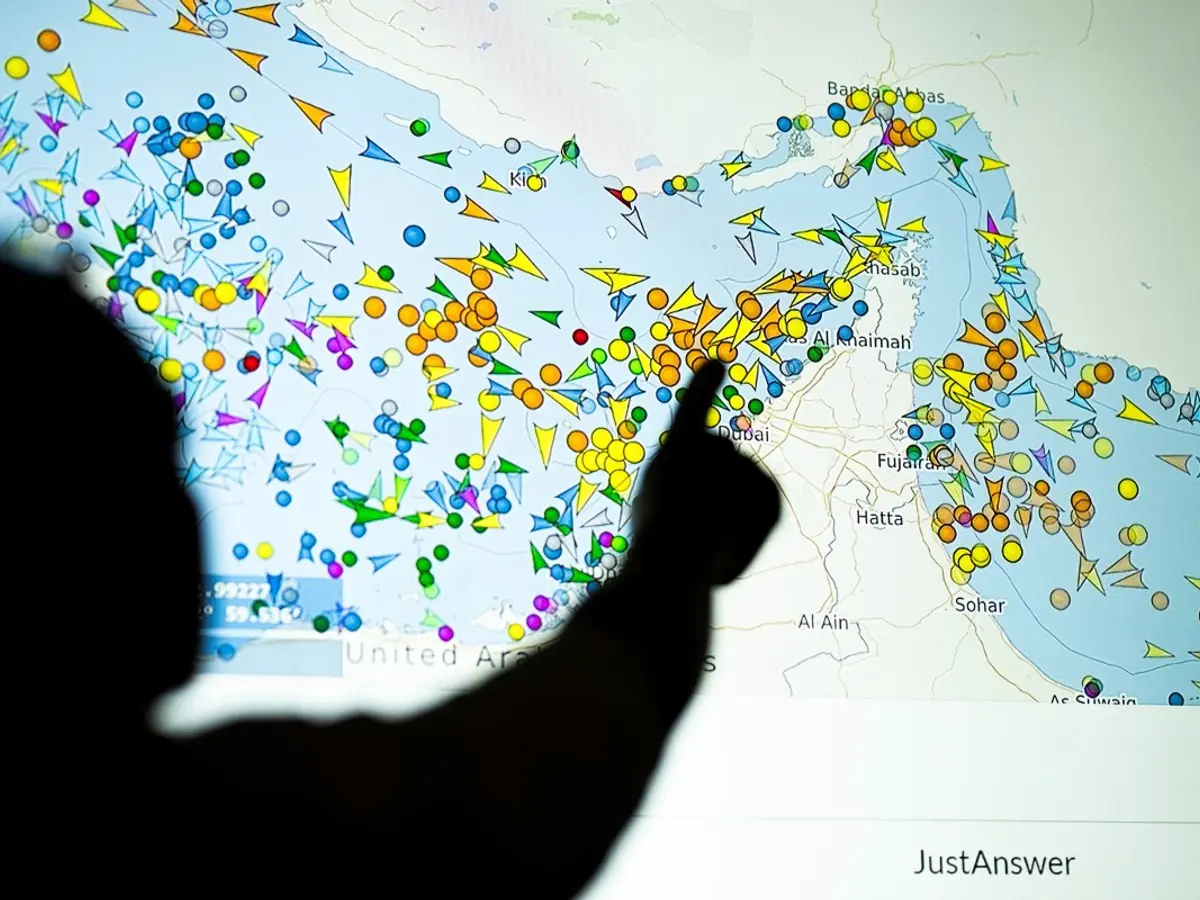
Trump’s Hormuz Strategy Seeks Alternative Energy Routes

Saudi Pipeline Hit by Iraq-Launched Drones as Riyadh Waits

Saudi Pipeline Shut as Houthis Seize Strategic Red Sea Island
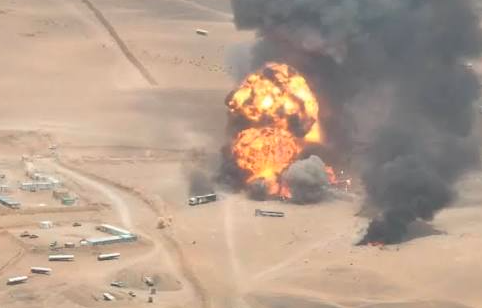
Iraq Says Saudi Pipeline Attacks Came From Its Territory
Syria’s Mezzeh Airport Redevelopment Draws Grave, Land Rights Concerns

Why 9/11 Still Matters: Reflecting on America’s Wars and Consequences

Twenty-Five Years After 9/11, Terrorism Threat Remains Unfinished