1 week ago
Iran Prepares for Painful Fuel Hike Amid US Sanctions

Iran sells gasoline much more cheaply than it costs to produce.
The government says these subsidies are becoming too expensive to maintain.
Officials are thinking about raising prices or changing how much fuel each person can buy.
One possible plan would give every Iranian a small amount of cheap fuel, even people without cars.
Another plan would let prices rise much closer to production costs.
That could make travel and shipping more expensive and increase inflation.
Iran has reduced some fuel allowances this year because people use more fuel than the country produces.
Leaders are being careful because earlier fuel price increases were followed by protests.

Iran is considering a major gasoline price increase as subsidized fuel strains government finances.
The cheapest fuel tier costs 15,000 rials per liter, while higher tiers cost 30,000 and 50,000 rials.
Iran’s fuel consumption is about 135 million liters daily, compared with domestic production of roughly 121 million liters.
Officials are reviewing options ranging from unchanged prices and reduced supplies to fully liberalized pricing near 872,000 rials per liter.
The government is proceeding cautiously because earlier fuel price increases helped trigger unrest, including nationwide protests in 2019.
- Who
- The Iranian government, including President Masoud Pezeshkian and First Vice President Mohammad-Reza Aref, is considering the changes.
- What
- Iran is reviewing a major restructuring and possible increase of gasoline prices and fuel quotas.
- Where
- Iran, including a canceled pilot program in Kerman province.
- When
- A final decision is expected within weeks; officials have already reduced some quotas this year.
- Why
- Subsidized fuel is costly, Iran consumes more gasoline than it produces, and the country is facing growing economic pressure from sanctions and war-related costs.
Maintain Subsidies and Protect Consumers
Liberalize Prices and Reduce State Costs
Price policy
Maintain Subsidies and Protect Consumers
Keeping prices low would protect households from an immediate increase in transport and living costs; one option would leave prices unchanged.
Liberalize Prices and Reduce State Costs
Removing price controls or moving prices toward production costs could reduce the burden of subsidized gasoline on the government.
Fuel allocation
Maintain Subsidies and Protect Consumers
The government could preserve the cheapest 60-liter monthly quota and provide low-cost fuel to citizens, including people without vehicles.
Liberalize Prices and Reduce State Costs
Officials could gradually reduce higher-tier quotas and allow prices to rise, potentially toward 872,000 rials per liter.
Economic and social risks
Maintain Subsidies and Protect Consumers
A sharp increase could raise transport and logistics costs, worsen inflation, and contribute to unrest, as previous fuel hikes did.
Liberalize Prices and Reduce State Costs
Supporters of reform argue that proceeds from higher prices could be directed toward vulnerable citizens while addressing the gap between fuel consumption and domestic production.
Key facts
- Cheapest fuel tier
- 15,000 Iranian rials per liter, or less than 1 cent according to the article.
- Higher fuel tiers
- 30,000 and 50,000 rials per liter for other personal-vehicle categories.
- Production cost
- The government pays refineries 1.3 million rials per liter, described as about 65 cents.
- Daily fuel balance
- Iran consumes about 135 million liters daily and produces roughly 121 million liters.
- Potential liberalized price
- Reports suggest a rate near 872,000 rials per liter, or about 44 cents.
- Cheapest-tier quota
- The quota remains 60 liters per month.
- Second-tier quota
- It fell from 100 liters to 70 liters, then to 50 liters after renewed fighting over the Strait of Hormuz.
Sources
Related news

Iran’s Economic Crisis Deepens as Food Prices Soar, Rial Falls
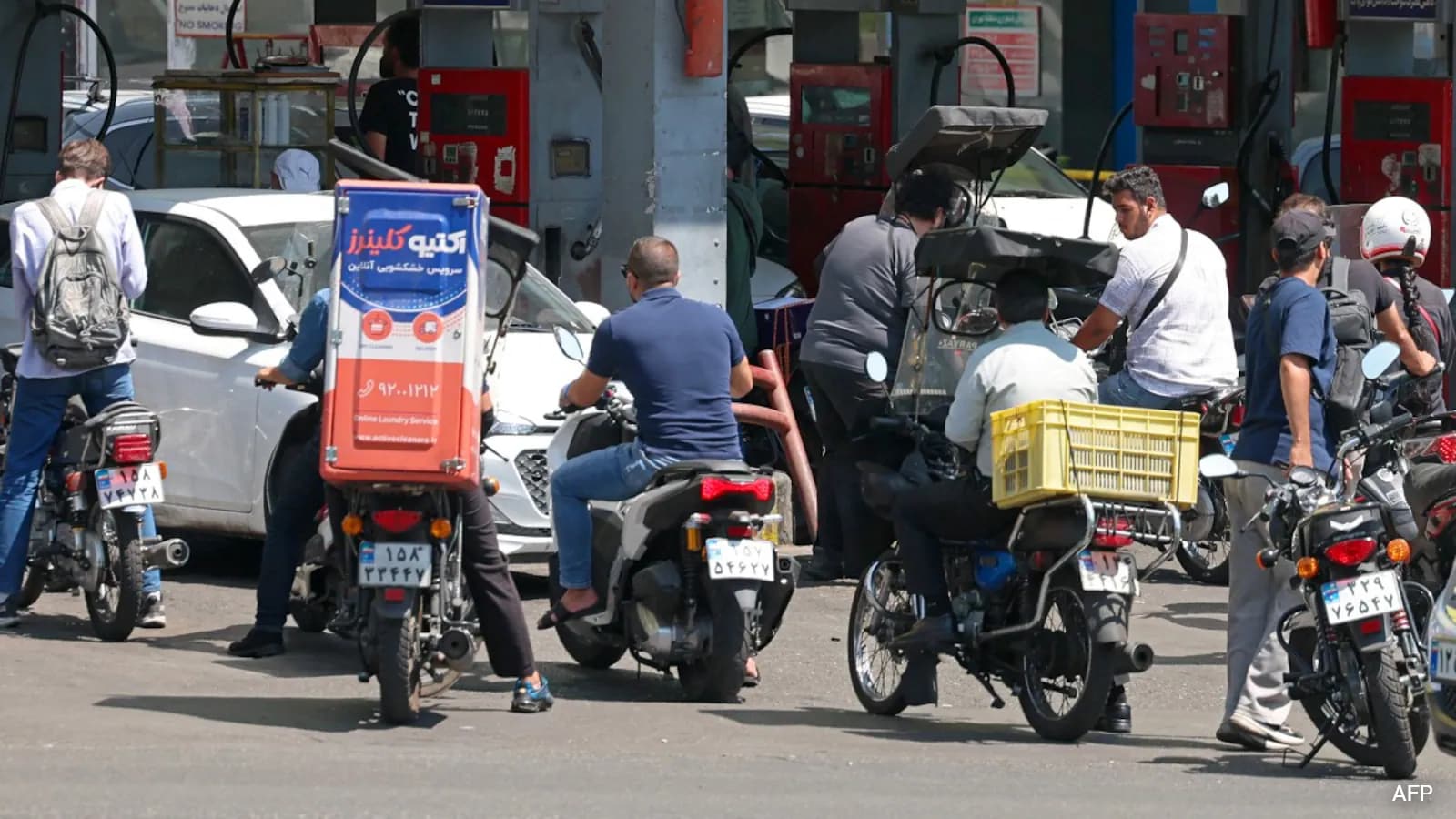
US Sanctions Trigger Long Petrol Queues Amid Iran Economic Pressure
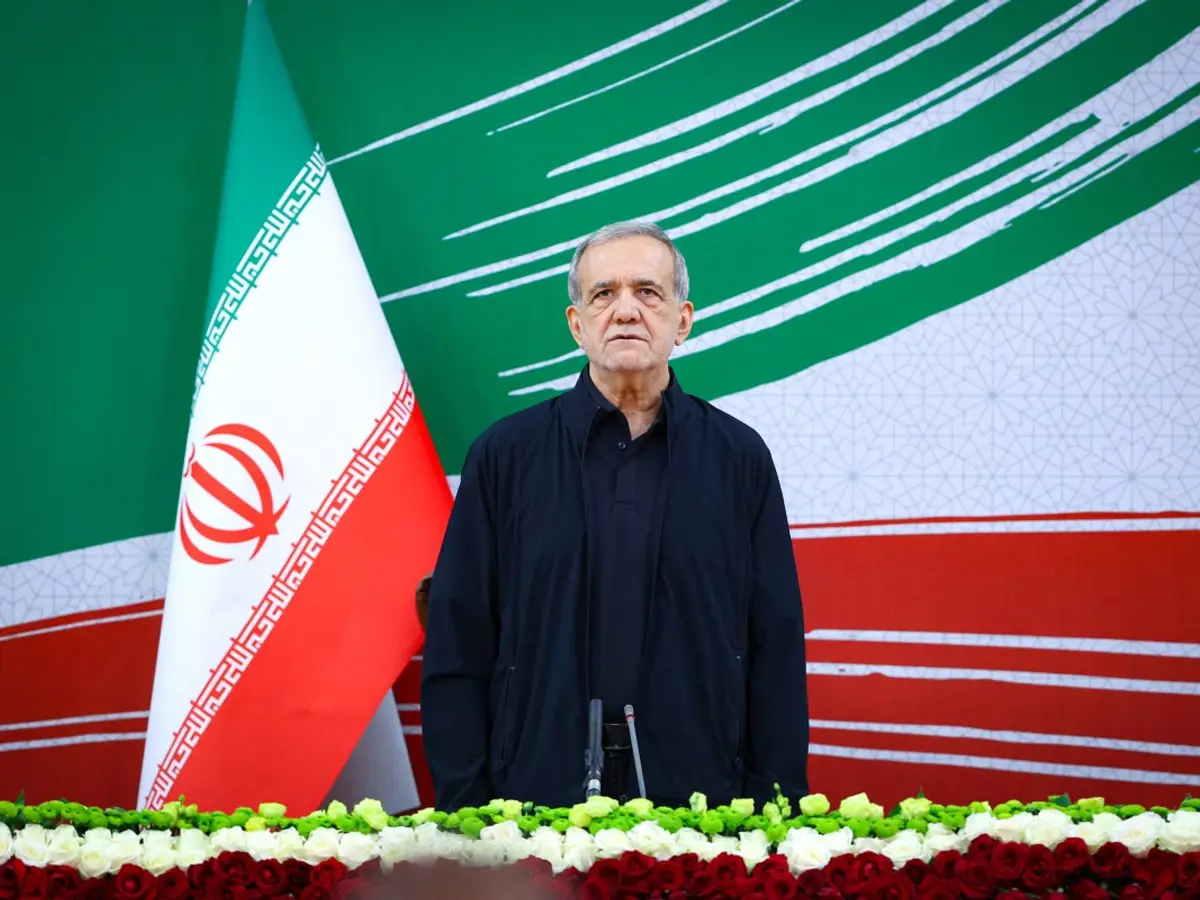
Pezeshkian Acknowledges US Sanctions Are Pressuring Iran’s Economy
US-Iran War Deepens Tehran Economic Pain as Hormuz Diplomacy Continues
Iran defies US on Hormuz; Trump urges higher gas prices
Six Months Into Iran War, Economic Crisis Deepens
US-Iran Strikes Escalate as Tehran Warns of New Strategy
Trump Warns of Fresh Iran Strike After Heavy Attack

Trump Says US Could Attack Iran Again at Will

U.S. Treasury Yields Ease as Jobs Data Misses Expectations
Iran Seizes Fuel-Smuggling Vessel in Gulf, Arrests 11 Crew