

1 hr ago
Two Companies Target India’s Expanding EV Charging Gap
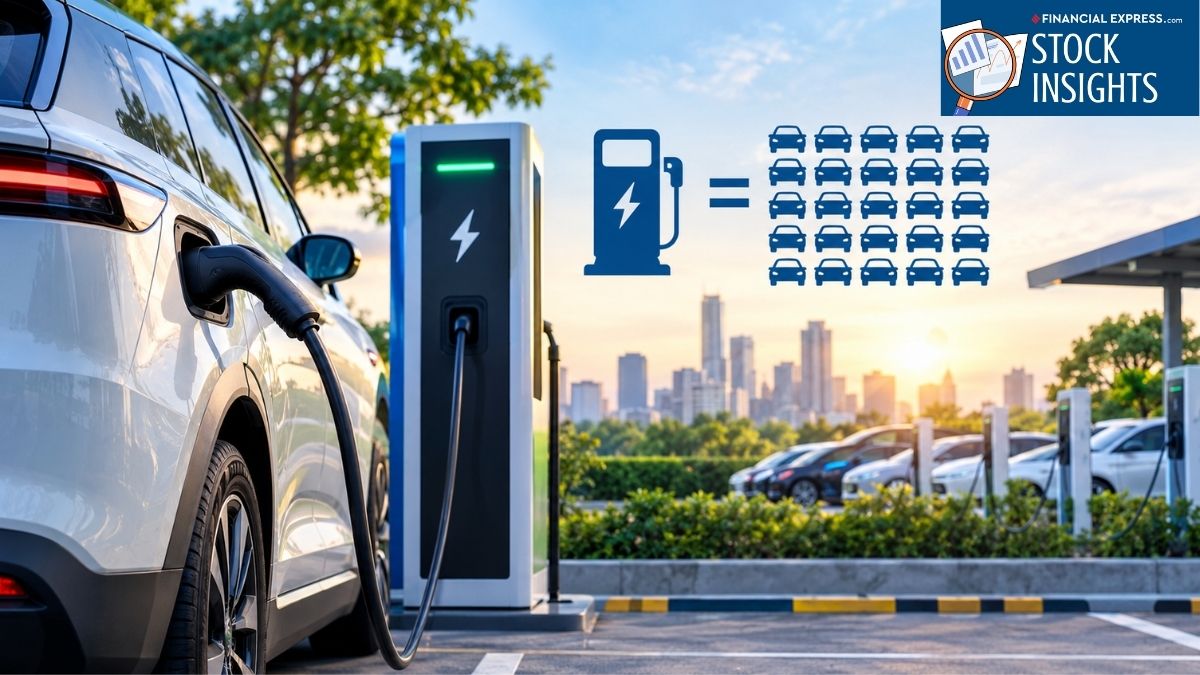
More people in India are buying electric vehicles, but public chargers are still relatively scarce.
The article says there is about one public charger for every 235 electric vehicles.
Tata Power runs a large charging network and plans to add more chargers.
Exicom makes charging equipment and supplies businesses that build charging networks.
Both companies are trying to benefit as electric vehicle use grows.
Tata Power reported higher charging revenue, while Exicom’s EV charger business also grew.
Exicom is still reporting losses, though its losses narrowed in the quarter described.
The article says investors should also consider costs, charger use and how quickly people adopt electric vehicles.
It is presented for educational purposes, not as an investment recommendation.

India recorded 24.5 lakh EV registrations in FY26, up 26% year over year, while public charging stations remained limited relative to the vehicle count.
The article cites about 29,000 public charging stations by December 2025 and estimates roughly one public charger for every 235 EVs.
Tata Power reported 7,200 charging points overall, including 5,970 public points, and aims to exceed 10,000 public points by 2030.
Exicom reported 49.7% year-over-year growth in EV charger business revenue to ₹153.9 crore in Q1FY27 and a consolidated order book above ₹1,400 crore.
The article presents network growth and charger manufacturing as opportunities, while flagging utilisation, capital needs and EV adoption pace as risks.
- Who
- Tata Power and Exicom Tele-Systems, companies active in India’s EV charging market.
- What
- The companies are expanding charging networks and equipment businesses amid a shortage of public EV chargers.
- Where
- India, with Exicom also describing EV charger exports to more than 10 countries.
- When
- The article discusses FY26, Q1FY27 and plans extending to 2030; public charger figures include December 2025.
- Why
- Rising EV registrations are increasing demand for charging infrastructure, while the existing public charging network remains limited relative to the number of EVs.
Growth opportunity
Execution risks
EV charging demand
Growth opportunity
Rising EV registrations and roughly one public charger per 235 EVs suggest room for substantial charging-network expansion.
Execution risks
The article cautions that the opportunity depends on the pace of EV adoption and whether installed chargers are used enough to generate sustainable revenue.
Company outlook
Growth opportunity
Tata Power has an established network and expansion targets; Exicom reports charger-business growth, orders and plans to increase production and exports.
Execution risks
Charging infrastructure requires capital, and Exicom remains loss-making; the article says its financial performance and ability to reach breakeven remain important considerations.
Key facts
- EV registrations
- 24.5 lakh in FY26, up 26% from 19.5 lakh in FY25; EVs represented 8.7% of total vehicle sales.
- Public charging stations
- More than 29,000 by December 2025, according to the article; about one public charger per 235 EVs.
- Government support
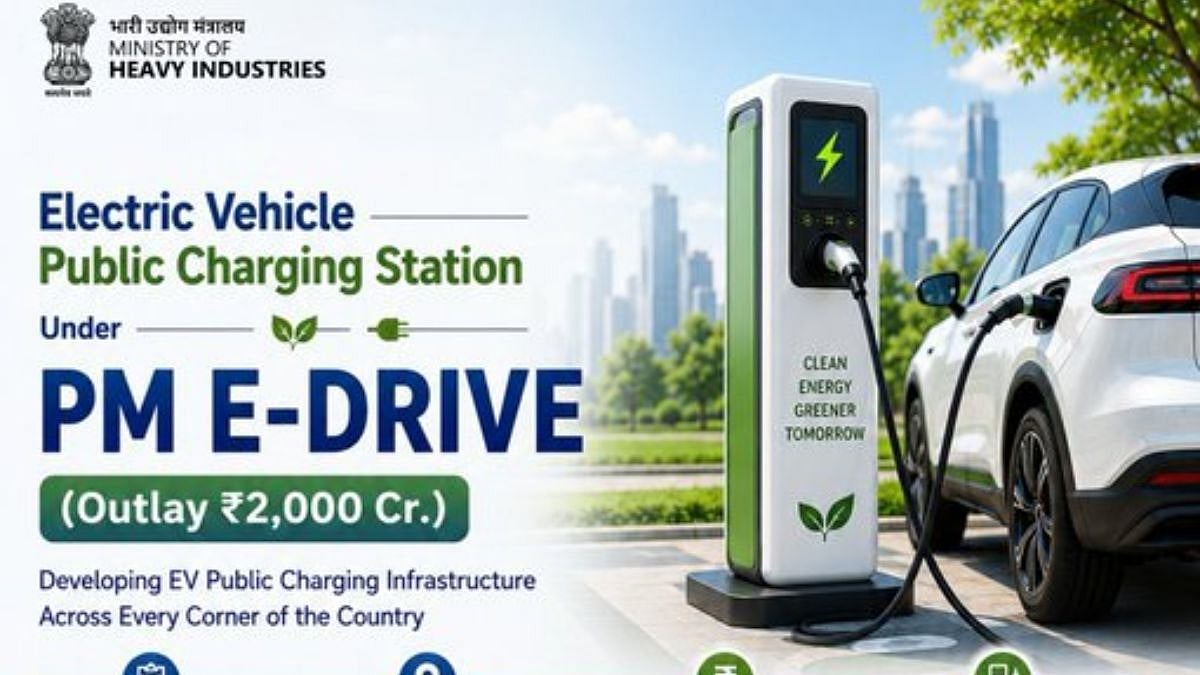
- ₹2,000 crore earmarked under the PM E-DRIVE scheme for charging infrastructure.
- Tata Power network
- 7,200 charging points overall, including 5,970 public points across 717 cities and towns as of Q1FY27.
- Tata Power target
- More than 10,000 public charging points by 2030.
- Exicom EV charger business
- Q1FY27 revenue was ₹153.9 crore, up 49.7% year over year; it accounted for 46.5% of company revenue.
- Exicom order book
- More than ₹1,400 crore consolidated across EV chargers and Critical Power; more than ₹200 crore in orders as of June 2026.
Sources
Related news
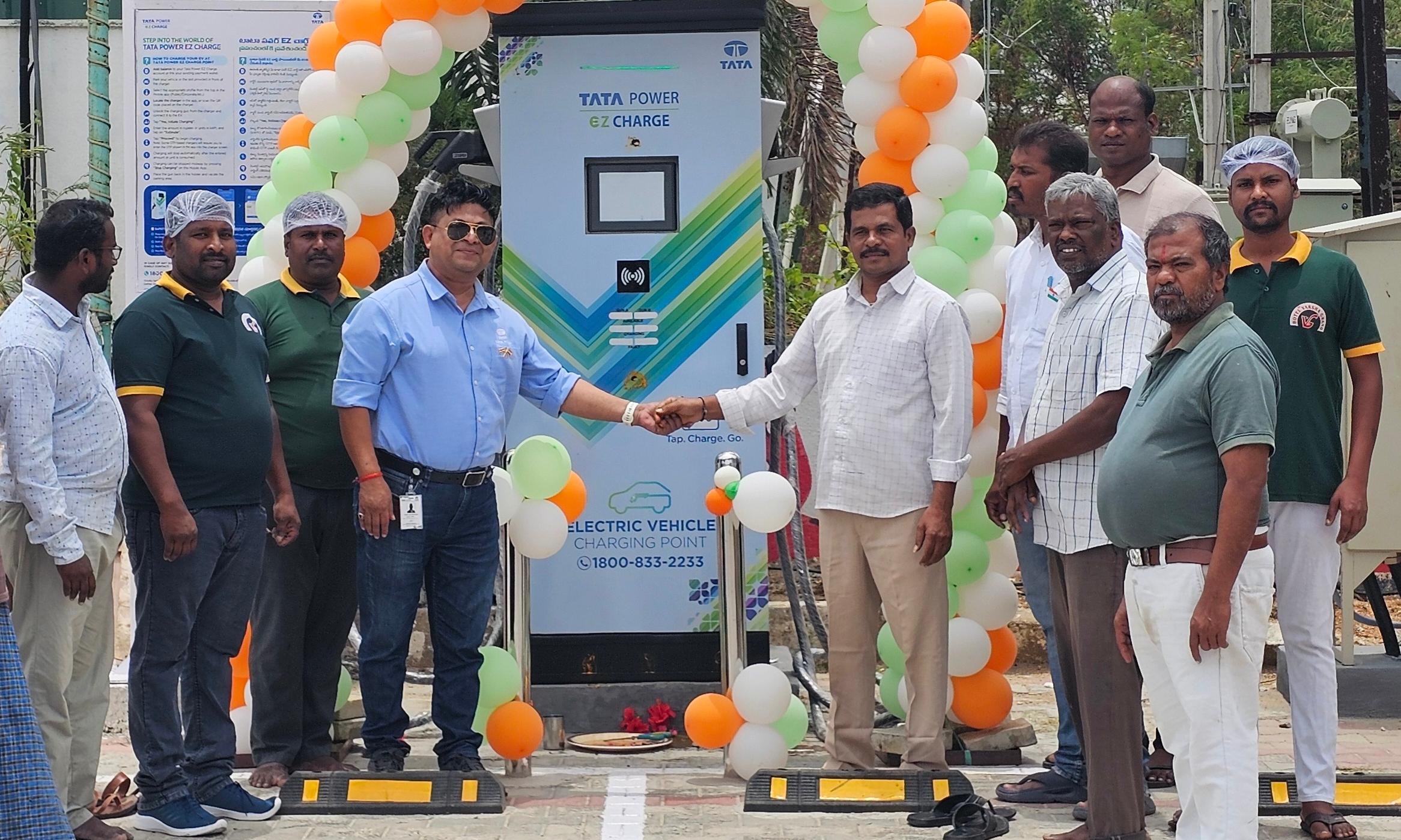
Tata Power Commissions Ultra-Fast EV Station in Andhra Pradesh

Tata Power Expands EV Charging Network Across Mumbai And Maharashtra
India EV Ecosystem Draws Over Rs 1.25 Lakh Crore
Uttar Pradesh Targets 1,500 Sites for Electric Vehicle Chargers
Tata Motors Says One in Four Car Sales Are EVs
India's EV Sales Rise, But Private Buyers Remain Skeptical

Alva's Pragati 2026 job fair places over 2,300 candidates
India's EV Charging Infrastructure Grows Amid Rising Demand
Exicom Reports Strong Q2 Performance Driven by India Growth, Eyes Scaled-Up Operations
