

1 week ago
Trump’s Economic Pressure on Iran Risks Wider Gulf War
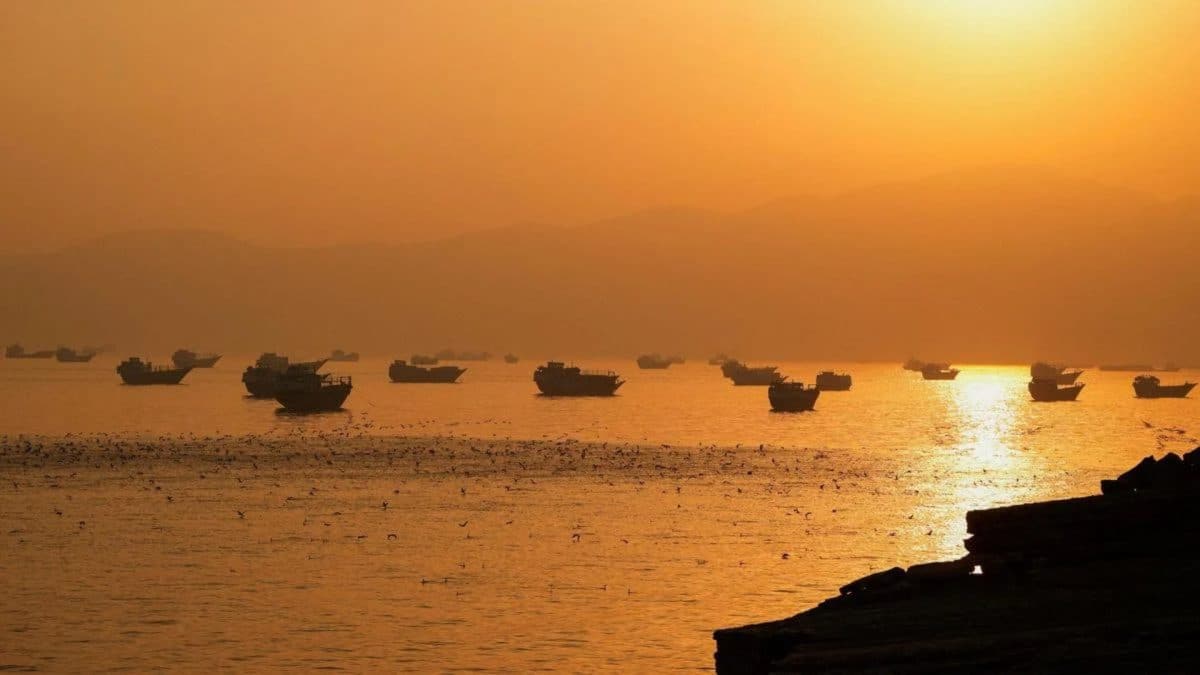
The United States is trying to pressure Iran by making it harder for Iran to earn and use money.
Donald Trump’s administration says this pressure could push Iran to negotiate a deal.
However, Iran might respond by attacking ships, oil facilities or ports instead of giving in.
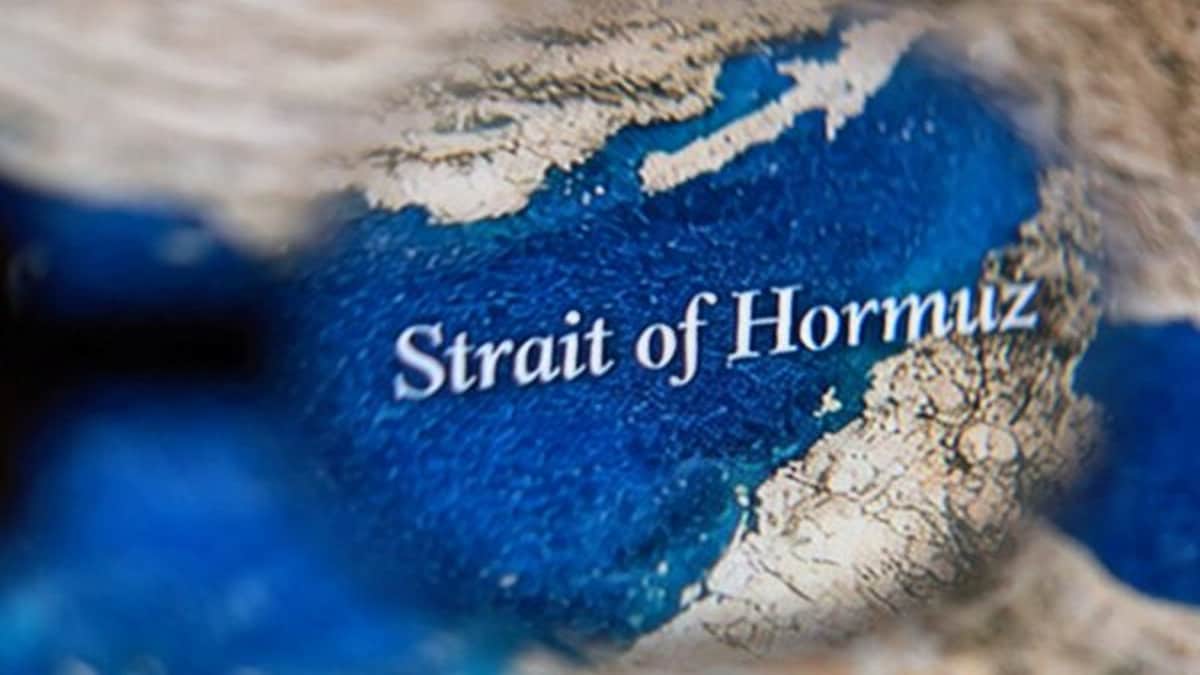
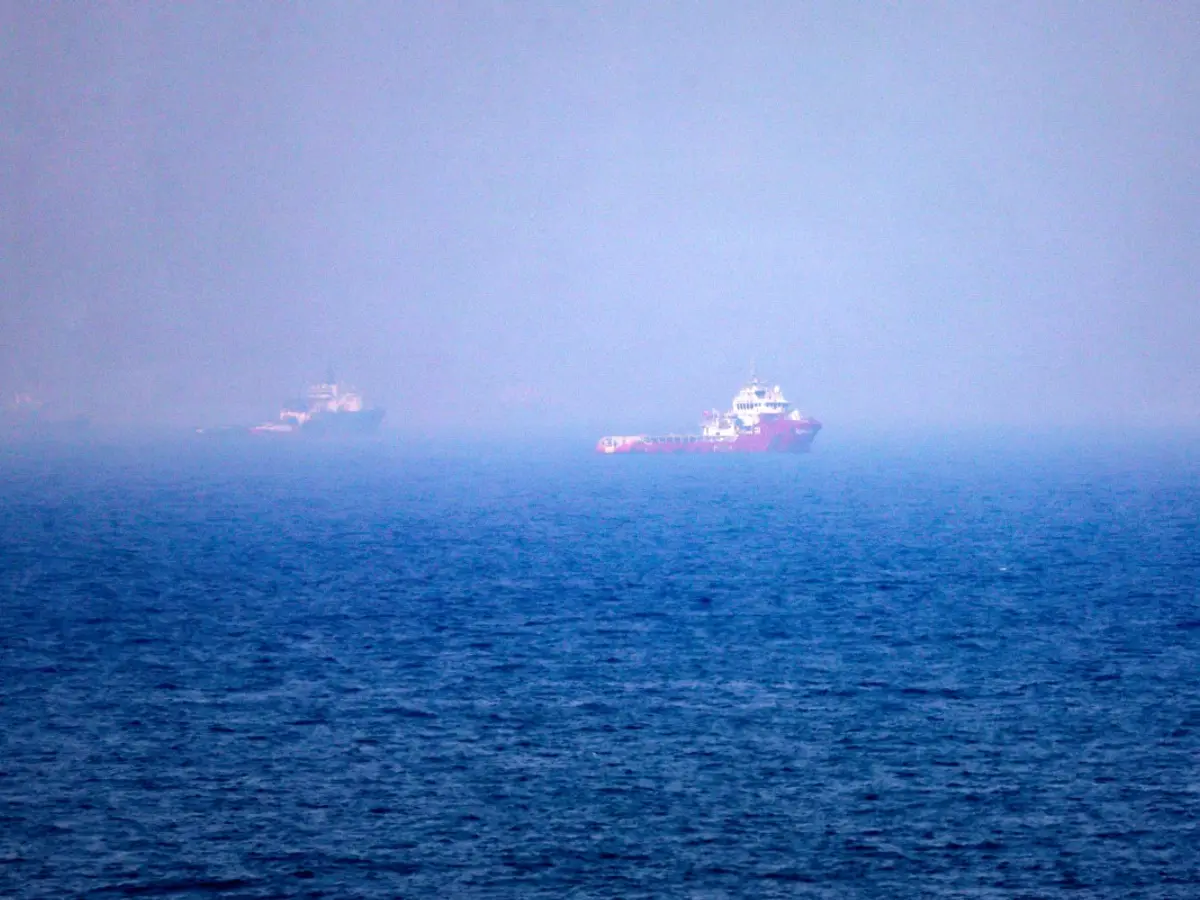
The Strait of Hormuz is especially important because much energy shipping passes through it.
Attacks there could raise oil prices and disrupt supplies around the world.
Gulf countries that work with the United States are worried because they are close to Iran and host important military or energy sites.
Iran’s economy is already under heavy pressure from disrupted oil exports, inflation and currency problems.
Some Iranian leaders want negotiations, while hardliners favor continued resistance.
This makes the strategy risky because economic pressure could either lead to talks or cause a larger regional war.

Donald Trump is shifting the United States’ Iran strategy from major military strikes toward economic isolation.
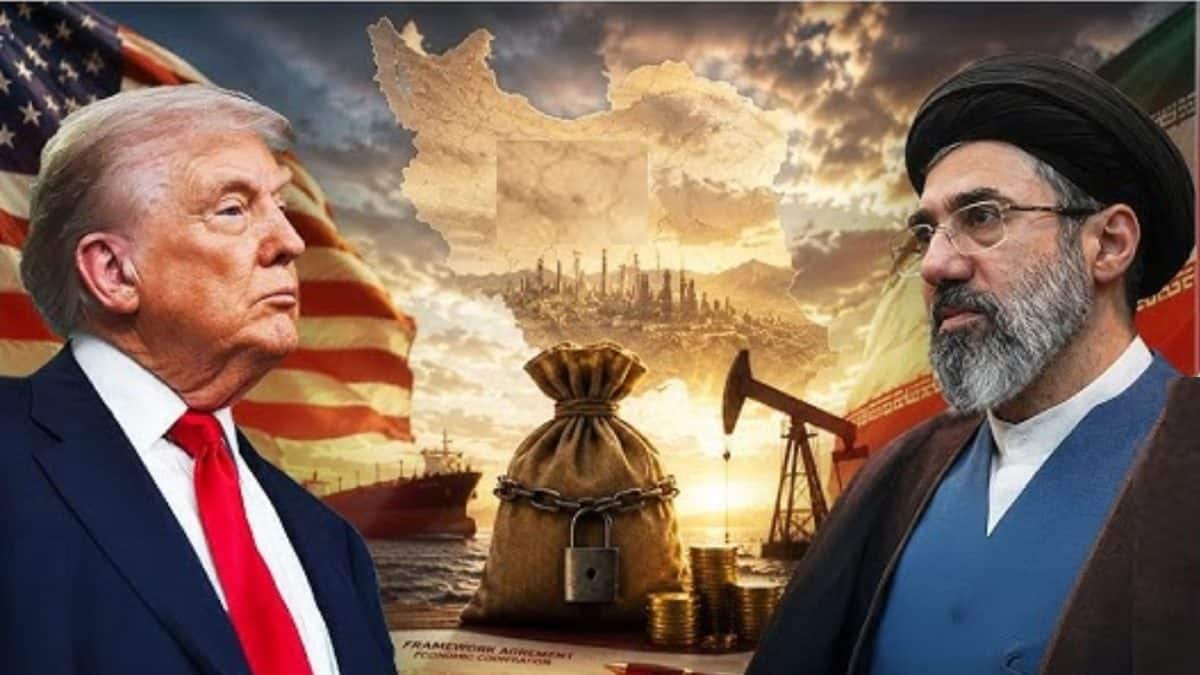
The campaign includes tougher sanctions, restrictions on oil exports and pressure on countries and companies trading with Iran.
Analysts warn that economic pressure could prompt Iran to target Gulf energy infrastructure, shipping or United States-linked interests.
The Strait of Hormuz and surrounding Gulf states remain vulnerable as commercial traffic has fallen below normal levels.
Iran faces severe economic strain, but its leaders remain divided between seeking negotiations and continuing resistance.
- Who
- The United States under President Donald Trump, Iran, Gulf states and companies involved in regional energy and shipping.
- What
- Washington is replacing an emphasis on large-scale military strikes with sanctions and other economic measures against Iran, raising concerns about Iranian retaliation.
- Where
- Iran, the Persian Gulf, the Strait of Hormuz, the Gulf of Oman and nearby states including the United Arab Emirates, Qatar, Bahrain, Kuwait and Saudi Arabia.
- When
- During the current escalation, as Washington shifts from military operations toward economic pressure; the articles provide no specific date.
- Why
- The United States aims to deprive Iran of resources and force it into negotiations, while Iran could retaliate to raise the economic cost of the campaign.
Economic Pressure Advocates
Escalation Critics
Can sanctions force negotiations?
Economic Pressure Advocates
The United States argues that sanctions, restrictions on oil exports and broader economic isolation can deprive Iran of resources and compel it to negotiate.
Escalation Critics
Critics warn that Iran may interpret economic warfare as continued attack and respond militarily rather than capitulate.
How Iran may respond
Economic Pressure Advocates
Washington is seeking to avoid an immediate return to large-scale military operations while using economic tools to change Iran’s behavior.
Escalation Critics
Iran could try to raise the cost of the campaign by attacking Gulf oil facilities, ports, shipping lanes or United States-linked interests.
Risk to Gulf states
Economic Pressure Advocates
Pressure on Iran is intended to constrain Tehran without directly expanding the military campaign across the region.
Escalation Critics
The United Arab Emirates and other Gulf states could become targets because of their security ties with the United States, economic links and proximity to Iran.
Key facts
- United States strategy
- Tougher sanctions and other economic measures targeting Iran, along with countries and companies that continue doing business with it.
- Stated objective
- Treasury Secretary Scott Bessent said the goal is to pressure Iran into a deal.
- Main pressure point
- The Strait of Hormuz, a major energy chokepoint where Iran can threaten commercial shipping.
- Shipping risk
- United States maritime authorities assess the risk of Iranian missile, drone and other attacks on commercial vessels as high.
- Regional exposure
- The United Arab Emirates, Qatar, Bahrain, Kuwait and Saudi Arabia have major energy infrastructure or United States military facilities and are vulnerable to escalation.
- Economic impact
- Iran’s oil exports have been disrupted, while inflation and currency pressures have deepened.
- Human impact
- The International Maritime Organization says more than 20,000 seafarers are affected by regional instability.
Sources
Related news
Economic front dominates US-Iran war as sanctions squeeze Tehran

Iran Weighs Oil Blockades and Regional Attacks Amid US Pressure

Trump Threatens Economic D-Day Against Iran and Its Partners
Trump's low-key Iran strategy carries high global economic cost

US Escalates Iran Economic Pressure as Hormuz Crisis Deepens

Vance Calls Economic Pressure Effective as Iran Rejects Sanctions

Iran Seizes Fuel-Smuggling Vessel in Gulf, Arrests 11 Crew
Trump Floats Renaming Strait of Hormuz as “Trump Strait”

Chevron Plans $7 Billion Venezuela Expansion Amid U.S. Oil Push
Saudi Tanker Hit in Hormuz, Killing Two Filipino Sailors

Indian Stocks Extend Three-Day Losing Streak as Oil Rises