2 hrs ago
Europe’s Rightward Shift Puts Political Establishment Under Pressure
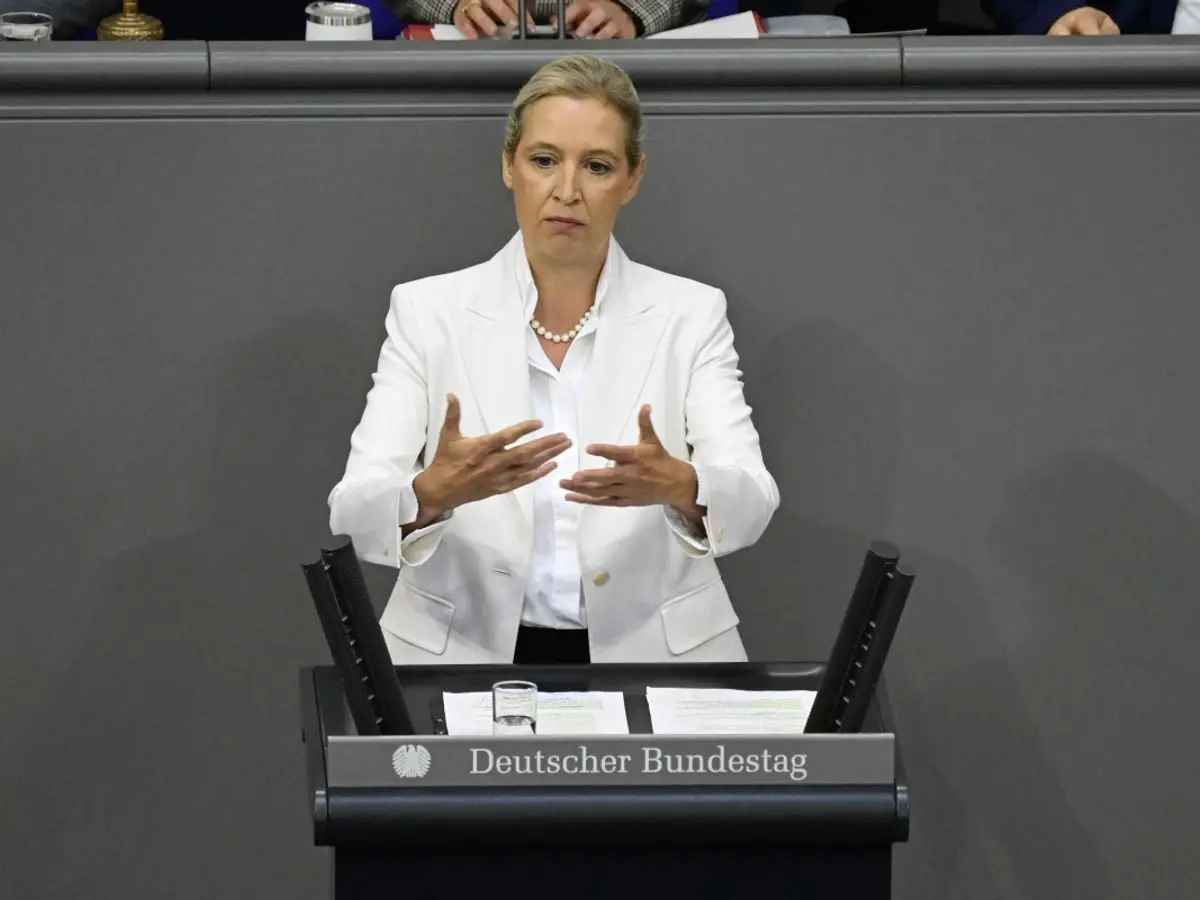
Germany’s AfD is a right-wing political party that has gained many more votes.
In Saxony-Anhalt, it became the biggest party with 43.8% of the vote.
Chancellor Friedrich Merz’s party came second with 17.2%.
Some leaders were shocked, and people protested against the AfD.
Critics worry about extremist ideas and the party’s effect on minorities and democracy.
Other voters support it because they are worried about immigration, money, national identity and politicians who do not listen.
Similar right-wing movements are growing in other European countries.
The article says leaders must understand these voters instead of only condemning them.

The Alternative für Deutschland won 43.8% of the vote in Saxony-Anhalt, becoming the state’s largest party.
Chancellor Friedrich Merz’s CDU received 17.2%, while the AfD won 39 of 83 state parliament seats.
The result prompted shock from Merz and Angela Merkel, alongside street protests against the AfD’s advance.
The AfD faces criticism over extremist rhetoric, and its Saxony-Anhalt branch has been classified as right-wing extremist by state intelligence authorities.
The article argues that Europe’s establishment must address concerns about immigration, economic insecurity, national identity and distrust of political institutions.
- Who
- The Alternative für Deutschland, Friedrich Merz’s CDU, Angela Merkel, protesters and voters across Europe are central to the article.
- What
- The AfD made a major electoral breakthrough in Saxony-Anhalt, highlighting the broader growth of nationalist and right-wing populist movements in Europe.
- Where
- Saxony-Anhalt, Germany, and other parts of Europe.
- When
- The article discusses the Saxony-Anhalt election and Europe’s political situation in 2026.
- Why
- The article attributes the rightward movement to concerns about immigration, economic insecurity, national identity, cultural anxiety and frustration with established institutions.
Establishment Critics
Right-Populist Supporters
AfD’s political character
Establishment Critics
Critics point to extremist rhetoric and concerns about threats to minorities and democratic institutions, especially given Germany’s history.
Right-Populist Supporters
Supporters see the AfD as a vehicle for challenging an establishment they believe has ignored ordinary citizens’ concerns.
How leaders should respond
Establishment Critics
Opponents support protests, political barriers and condemnation of rhetoric viewed as dangerous or extremist.
Right-Populist Supporters
The article argues that condemnation and political firewalls do not explain why voters support the AfD or address their grievances.
Historical comparisons
Establishment Critics
Critics believe Germany’s past requires especially careful scrutiny of nationalist and anti-outsider politics.
Right-Populist Supporters
The article says today’s movements should not simply be labelled replicas of twentieth-century fascism, although history can provide warnings.
Key facts
- AfD result
- 43.8% of the vote in Saxony-Anhalt
- CDU result
- 17.2% of the vote
- AfD seats
- 39 of 83 state parliament seats
- Political response
- Friedrich Merz described the result as a devastating defeat and said he was deeply shocked.
- Public response
- Thousands took to German streets protesting the AfD’s advance.
- Classification
- The AfD’s Saxony-Anhalt branch has been classified as right-wing extremist by state domestic intelligence authorities.
- Voter concerns identified
- Immigration, economic insecurity, national identity, cultural anxiety and distrust of established politicians and institutions.
Sources
Related news

AfD Victory in Saxony-Anhalt Signals Major Shift for Germany

AfD Wins Historic Saxony-Anhalt Vote, Falls Short Majority

Far-right triumph in eastern Germany leaves migrants questioning their future

AfD Wins Historic Saxony-Anhalt Election, Challenging Germany’s Political Firewall

Germany Struggles to Counter AfD as Party Reaches New High
Germany’s AfD Seeks Historic Breakthrough in Saxony-Anhalt Vote

Apple’s Foldable iPhone Puts Ternus’ AI Leadership to Test

Online Nihilistic Extremism Emerges as New European Terror Threat

India Supplies Europe’s Diesel Despite Record Crude Import Dependence
Australia Prepares for Elevated Wildfire Risk After Europe’s Hot Summer