4 hrs ago
Sensex Swings Nearly 4,000 Points During Closing Auction
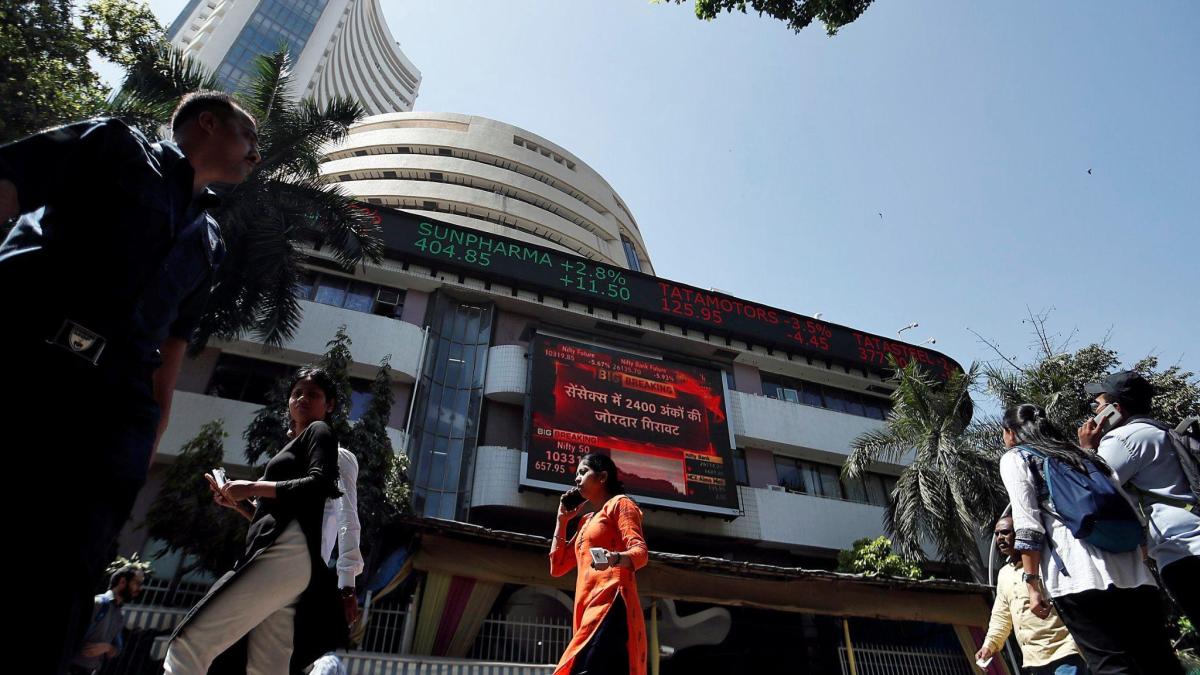
The Sensex is a number that shows how some major Indian shares are performing.
On Thursday, that number suddenly dropped and then quickly rose again during the market’s closing auction.
The total movement was almost 4,000 points in only two minutes.
The market still finished 417 points lower than the previous day.
Experts said there may not have been enough buyers when a large sell order arrived.
This made the price move much more than usual.
Prices of some Sensex options also jumped sharply.
The episode has raised questions about whether the closing auction has enough trading activity and whether its rules need changes.

The Sensex’s indicative closing level swung nearly 4,000 points in two minutes during Thursday’s closing auction session.
The index fell 2,137 points before recovering about 1,800 points and eventually closed down 417 points, or 0.55%.
Sensex put-option premiums surged 400-500% within minutes as volatility spread to derivatives.
Researchers attributed the move to a large sell order hitting thin liquidity during weekly derivatives expiry.
The recurring volatility has intensified concerns about price discovery, possible manipulation and the design of BSE’s closing auction mechanism.
- Who
- The Sensex, BSE, traders, market researchers and regulators were involved in the episode and its aftermath.
- What
- The Sensex’s indicative closing level plunged 2,137 points and then recovered about 1,800 points, creating an almost 4,000-point swing in two minutes.
- Where
- On BSE’s closing auction session and the related derivatives market.
- When
- Thursday, during the closing auction session between about 3:18 pm and 3:20 pm.
- Why
- A large one-sided sell order may have hit a thin order book during weekly derivatives expiry, while the auction’s structure and limited liquidity amplified the move.
Critics and Liquidity Concerns
Potential Benefits and Suggested Improvements
Effectiveness of the closing auction
Critics and Liquidity Concerns
A senior brokerage official said the mechanism has not achieved its goal of improving price discovery and remains vulnerable to manipulation, causing participants to avoid trading during the auction.
Potential Benefits and Suggested Improvements
The mechanism has gained acceptance among institutional investors and demonstrated utility during a recent MSCI index rebalancing, although participants proposed safeguards to address volatility.
Cause of the sharp move
Critics and Liquidity Concerns
Critics attribute the dislocation to thin liquidity, limited trading participation and features such as unavailable stop-loss and iceberg orders during the auction.
Potential Benefits and Suggested Improvements
Gaurav Arora said the move could have resulted from a large market sell order encountering an almost empty order book, with the quick recovery suggesting the order was withdrawn or buyers returned.
Possible response
Critics and Liquidity Concerns
Market participants warned that repeated volatility could reduce confidence, widen spreads and further weaken liquidity in a self-reinforcing cycle.
Potential Benefits and Suggested Improvements
Suggested measures included easing securities transaction tax for closing-auction trades and extending the auction when the indicative price deviates sharply from the reference price.
Key facts
- Indicative low
- The Sensex’s indicative level fell to 74,373 at 3:20 pm from 76,510 at 3:18 pm.
- Final close
- The Sensex closed at 76,153, down 417 points, or 0.55%.
- Options impact
- Sensex put-option premiums rose 400-500% within minutes.
- BSE CAS turnover
- Average daily closing auction turnover was reported at Rs 54.34 crore, about 0.50% of BSE’s average daily cash-market turnover.
- CAS launch
- The closing auction mechanism has operated since August 3.
- Regulatory action
- Securities and Exchange Board of India barred Copthall Mauritius Investment and Mansi Share and Stock Broking from the securities market and ordered Rs 3.68 crore in alleged gains to be impounded.
Quotes
Senior brokerage official
Unnamed official at a brokerage firm
“Market orders are allowed between 3:20 and 3:25, and a market sell with nothing behind it falls straight to the lowest buy price available. Expiry flow made it heavier,”
 financialexpress.com
“No one is able to take a view due to the volatility in the closing auction, and so most market participants avoid it”
financialexpress.com
Sources
Related news
Sensex Swings 2,200 Points During BSE Closing Auction
Sensex CAS Concerns Grow as Thin Liquidity Exposes Market Vulnerabilities

Closing auction swings unsettle traders as derivatives volatility intensifies

Kirit Somaiya Urges SEBI to Suspend and Redesign CAS

Closing Auction Session Faces Volatility Despite Hopes For Stability

Somaiya urges SEBI to suspend and redesign CAS

RBL Bank Disputes Rs 164.14 Crore GST Demand

NSE, BSE To Remain Open Despite Janmashtami Holiday

Jonjua Overseas Sets 7:24 Bonus Share Record Date

IFCI Shares Cross Rs 100 After 19 Years