5 days ago
Closing auction swings unsettle traders as derivatives volatility intensifies

A closing auction is a short period used to set a market’s end-of-day prices.
It was created to make those prices more reliable.
Recently, prices have moved very sharply during this period.
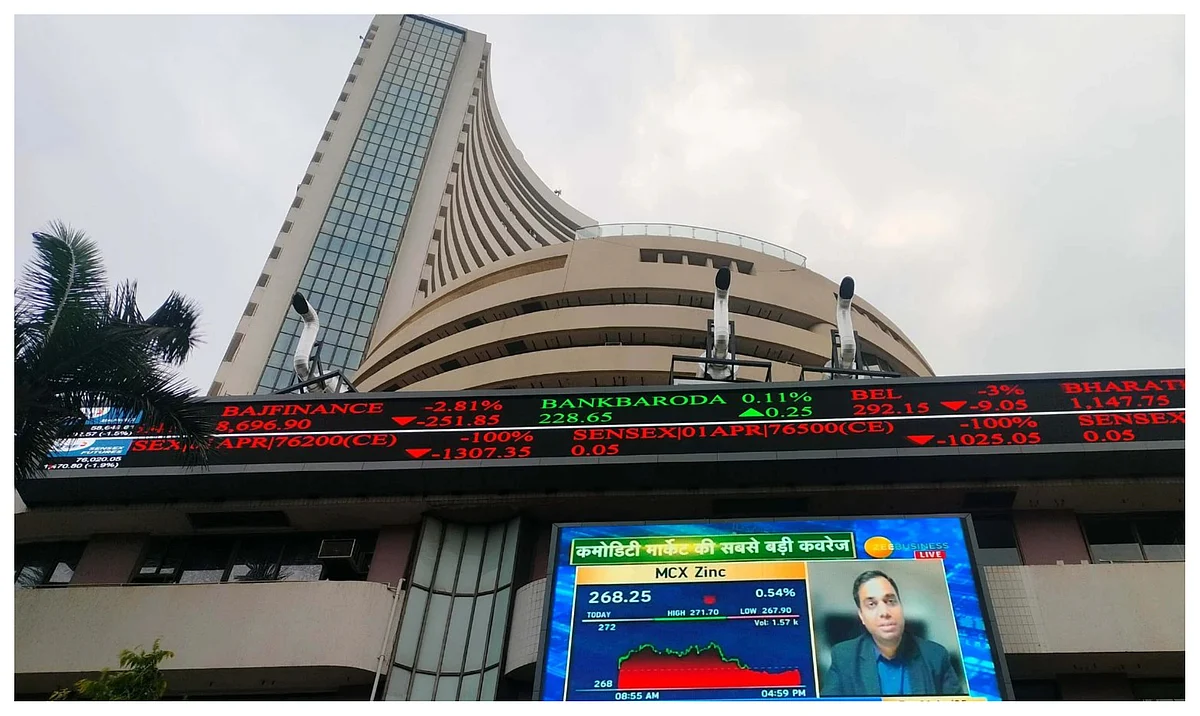
On Thursday, the Sensex briefly dropped almost 2,200 points before recovering.
Some option prices also changed dramatically during the auction.
Experts say there were not enough trades and that some orders had a large effect on prices.
These sudden moves can cause traders to lose money, even when their positions are small.
Some experts want the exchange to temporarily make the allowed price range narrower.

The BSE Sensex’s indicative closing level briefly fell nearly 2,200 points during Thursday’s closing auction.
The Sensex ultimately closed 249 points below its 3:15 PM level amid monthly derivatives expiry.
A Bankex 64,000-strike put option jumped from Rs 1.70 to Rs 68.55 during the auction.
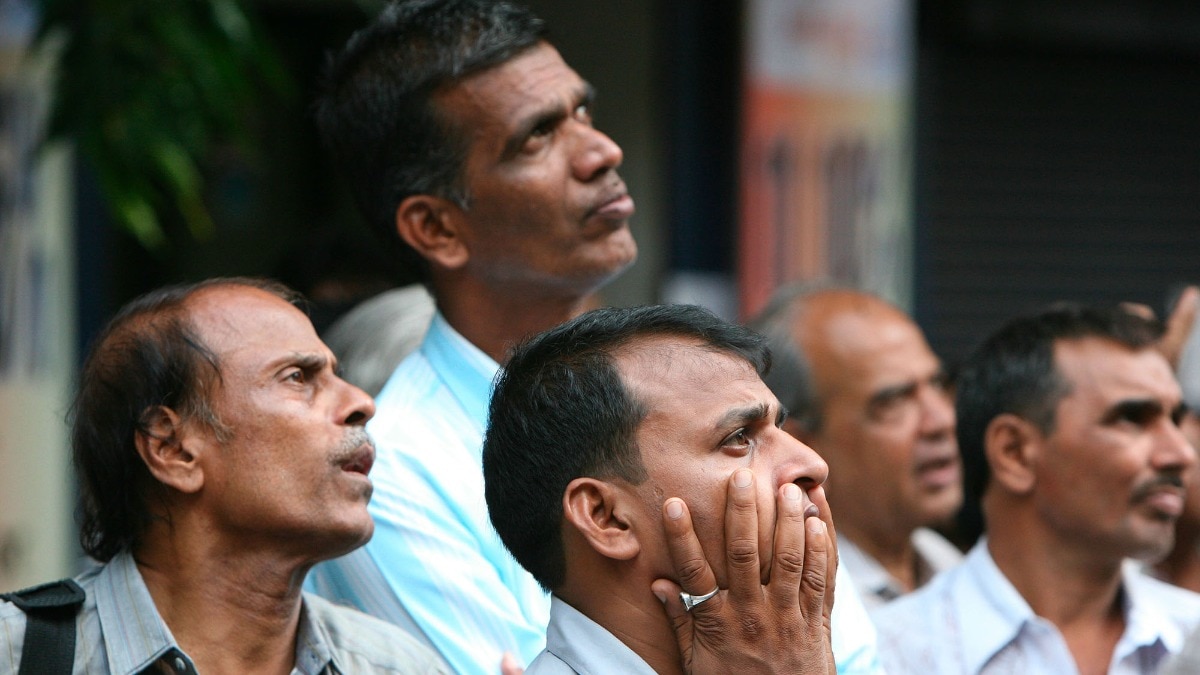
Experts linked the volatility to thin liquidity, muted participation and high impact costs in index heavyweights.
Traders are reducing positions before the auction, while experts have proposed reviewing the current +/-3% order band.
- Who
- Traders, option writers, institutional and retail investors, algorithmic traders, and market experts are affected or commenting.
- What
- Sharp price and derivatives-premium swings are occurring during the closing auction session.
- Where
- The movements occurred in the BSE closing auction and derivatives market, with similar volatility reported on the NSE.
- When
- The sharpest cited movement occurred on Thursday during monthly index-derivatives expiry; NSE saw less pronounced swings on Tuesday.
- Why
- Thin liquidity, muted participation, high impact costs and uncertainty are contributing to erratic prices and reduced participation.
Long-term benefits
Immediate market concerns
Purpose of the closing auction
Long-term benefits
The closing auction was introduced to make end-of-day price discovery more robust and is viewed by many as a positive long-term measure.
Immediate market concerns
Repeated sharp movements may discourage participation and liquidity, which are necessary for the mechanism to work efficiently.
Order-band policy
Long-term benefits
Maintaining the existing mechanism could allow the market to adjust as participants become more familiar with it.
Immediate market concerns
Tejas Shah and Chandan Taparia supported reviewing or temporarily narrowing the current +/-3% order range to contain excessive volatility.
Participation and positions
Long-term benefits
The auction could eventually benefit investors if adequate liquidity develops.
Immediate market concerns
Uncertainty and losses are prompting traders to unwind positions before 3:15 PM, weakening participation among option traders, proprietary desks, institutions, retail investors and others.
Key facts
- Sensex intraday auction swing
- The indicative closing level fell nearly 2,200 points, from 77,200 to 74,983, before recovering.
- Final Sensex move
- The index closed 249 points below its 3:15 PM level.
- Bankex option move
- A 64,000-strike put option rose from Rs 1.70 to Rs 68.55, nearly 4,000%.
- Auction start time
- The closing auction begins at 3:15 PM.
- Current order band
- Orders are currently permitted within +/-3% around the reference price.
- Expiry timing
- The sharpest BSE movement coincided with monthly expiry of index derivative contracts.
Quotes
Chandan Taparia
Head of derivatives and technicals at Motilal Oswal Financial Services
“They are losing money even if they carry small positions.”
 financialexpress.com
Sources
Related news

SEBI Keeps Closing Auction Session Unchanged Amid Expiry Volatility
Sensex Swings 2,200 Points During BSE Closing Auction
Sensex CAS Concerns Grow as Thin Liquidity Exposes Market Vulnerabilities

Closing Auction Session Faces Volatility Despite Hopes For Stability
Nifty closing price volatility eases on third day of auction

PVR Inox Buyback: September 3 Last Day to Buy

Indian Stocks Extend Three-Day Losing Streak as Oil Rises

Augmont Enterprises Rises Despite Gold-Buying Appeal and Market Risks

BSE Shares Fall as New Closing Auction Session Draws Scrutiny

Spice Lounge Food Works Stock Hits Upper Circuit Amid Crash