2 hrs ago
GST Council to Keep Rates Steady, Pursue Structural Reforms

The GST Council is expected to meet on October 8.
It is not expected to make big changes to GST rates.
Instead, it will discuss ways to make GST processes work better.
Some businesses may find it easier to claim tax credits and refunds.
More registrations and changes could be handled automatically.
The proposals also aim to make GST rules easier for exporters and small online sellers.
Some mistakes or payment delays may be handled with taxes, interest, or penalties instead of criminal proceedings.
Any approved changes are expected to be introduced in stages through 2027.

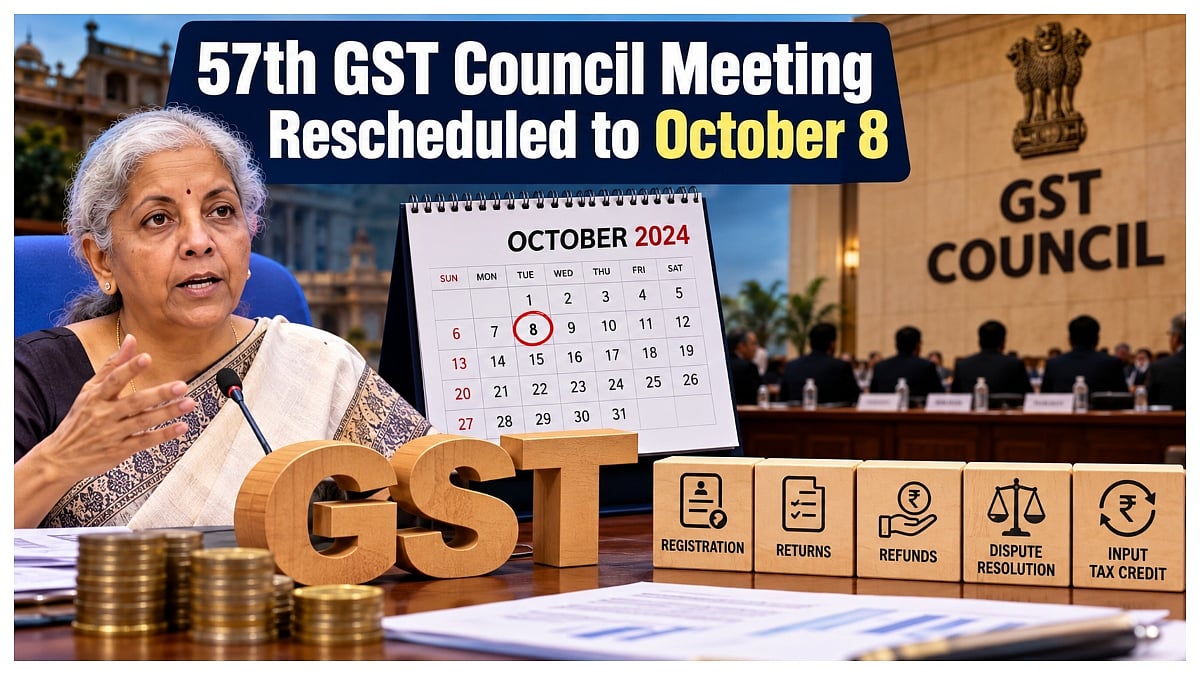
The 57th GST Council meeting on October 8 is expected to focus on procedural and structural reforms, not broad rate changes.
Proposals include considering future rate changes once a year, effective from April 1.
Input tax credit and refunds could be adjusted, including faster processing and broader refund eligibility.
The package also proposes more automated GST registration and measures to ease rules for exporters and small e-commerce sellers.
Some offences could move outside criminal provisions, with changes approved by the Council expected to be implemented in phases through 2027.
- Who
- The 57th GST Council, with proposals prepared by its Law Committee and Fitment Committee following consultations with states.
- What
- The Council is expected to consider procedural and structural GST reforms while leaving broad rate changes off the agenda.
- Where
- India.
- When
- October 8; approved changes are expected to be implemented in phases through 2027.
- Why
- The proposals aim to improve predictability and simplify GST processes, including credits, refunds, registration, exports, e-commerce and enforcement.
Key facts
- Meeting
- 57th GST Council meeting, scheduled for October 8
- Rate outlook
- No broad rate changes are expected to be considered
- Possible rate schedule
- Future GST rate changes could be considered once a year and take effect from April 1
- Refund processing
- Claims currently take an average of about 25 days; the proposal calls for acknowledgement within 10 days and release of 90% of eligible refunds after a risk check
- Automated registrations
- About 61% of registrations are already approved within three working days without officer intervention
- Automated amendments
- Around 66% of amendment applications are proposed to be processed automatically
- Implementation
- Approved changes are expected to be implemented in phases through 2027
Sources
Related news

GST Council to Consider Major Process and Compliance Reforms

GST 2.0 to Focus on Faster Refunds and Simpler Compliance
GST Council Meeting Moves to October 8 Amid Reform Proposals

GST Council Meeting Rescheduled to Thursday for Process Reforms

October GST Council to Prioritise Process Reforms, FM Says
GST Council Sets Annual Rate Reviews, Changes From April 1
GST Rate Cuts Expand Tax Base as Effective Rate Falls
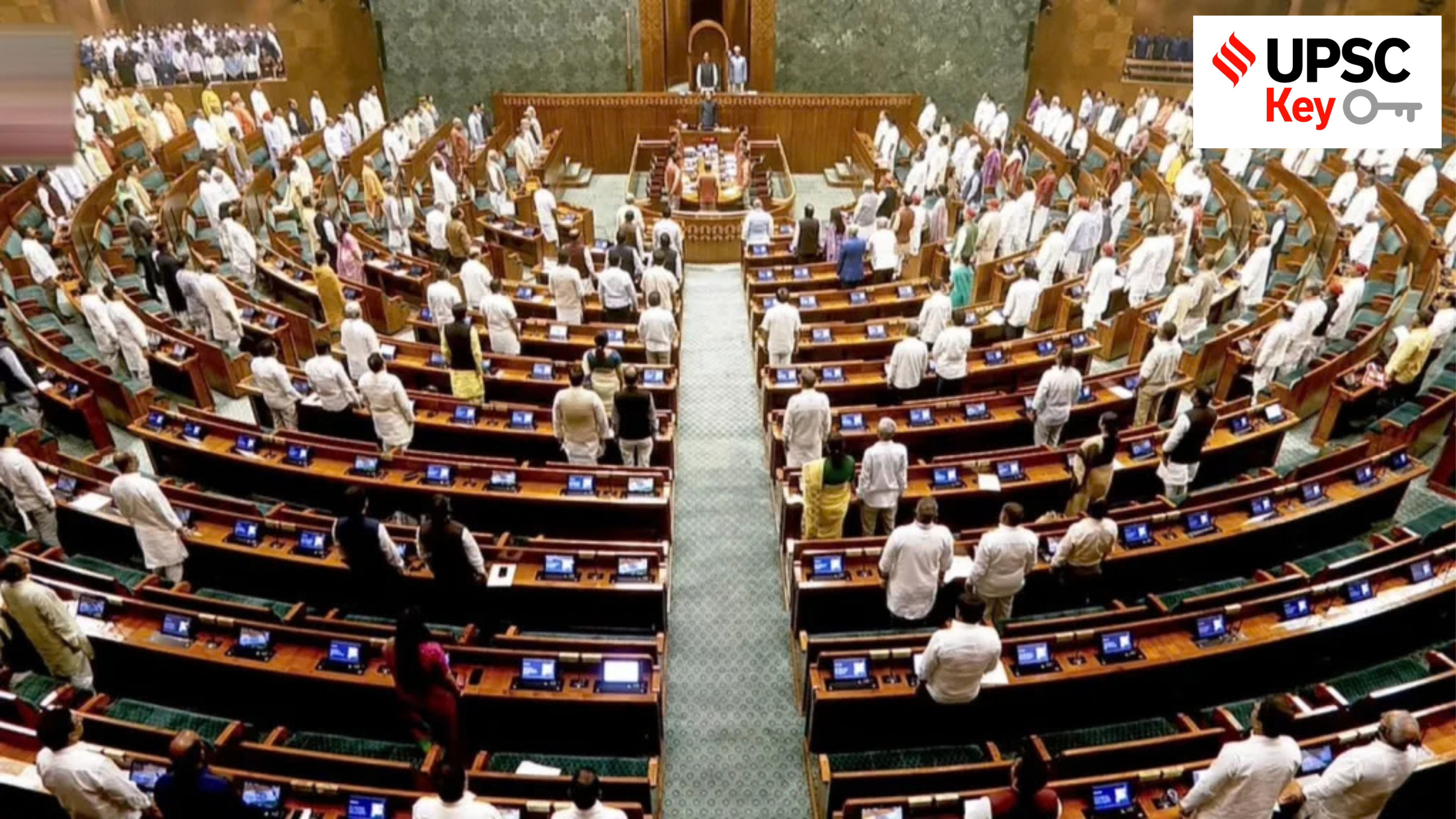
UPSC Key Covers Yemen, GST, Electoral Rolls and More

Festive Demand Hopes Drive Inventories to Record Highs

Central GST May Introduce Faceless Tax Assessments Soon