

2 hrs ago
UPSC Key Covers Yemen, GST, Electoral Rolls and More
This article is a study guide about several important news stories.
In Yemen, government forces said they had pushed Houthi fighters away from parts of the coast near an important shipping route.
India’s GST Council was expected to consider changes that could make tax procedures easier for businesses.
The Supreme Court asked for responses to a challenge about how voter forms and Election Commission decisions were handled.
India and Switzerland agreed to work more closely in several areas, including defence, energy and opportunities for young people.
Another court decision means a challenge to the Great Nicobar development project will continue in the High Court.
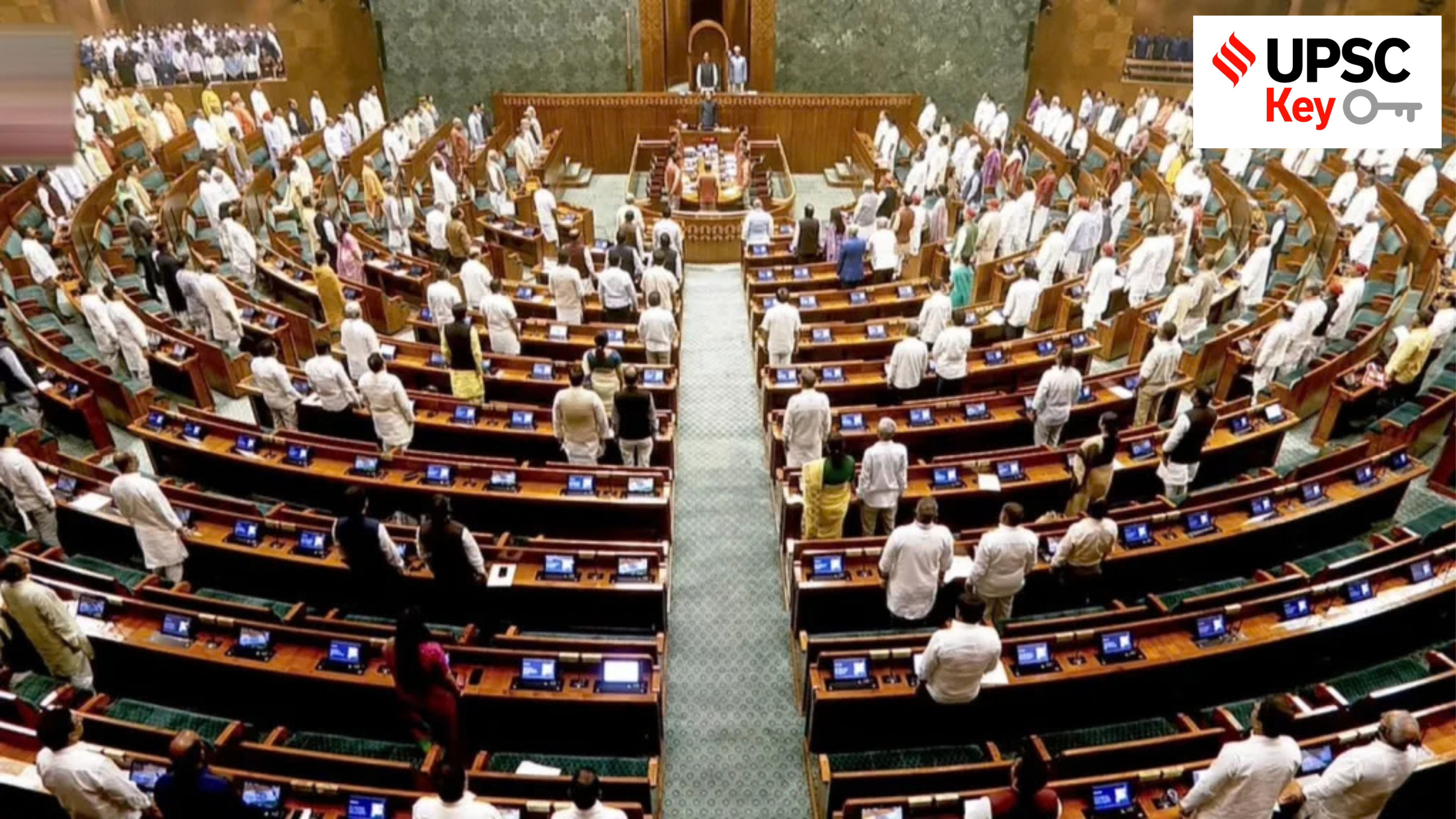
The article also describes a debate about how far legislatures’ privileges can limit free speech.
It explains that optogenetics uses light-sensitive proteins to control cells, and highlights lessons from India’s water programmes.
These issues matter because they involve trade, public services, rights, science and the environment.

Yemeni government forces said they retook coastal areas near Bab el-Mandeb and Mocha, while Houthi claims of attacks inside Saudi Arabia remained unverified.
India’s GST Council was due to discuss process reforms, including proposals to remove GST officers’ arrest powers and soften sentencing provisions.
The Supreme Court issued notice over allegations that the Chief Election Commissioner acted unilaterally, including in changes to Form 6 for new voters.
India and Switzerland agreed to deepen cooperation in defence and nuclear energy and signed agreements on migration, mobility and young professionals.
The Supreme Court let a challenge to Great Nicobar project clearance proceed in the High Court, while upcoming hearings will examine legislative privileges and free speech; the article also explains optogenetics and water-governance lessons.
- Who
- Yemeni government forces and the Houthis; India’s GST Council and Election Commission; the governments of India and Switzerland; and the Supreme Court and High Courts.
- What
- A collection of current-affairs reports on conflict, tax reforms, electoral rolls, bilateral ties, a major infrastructure project, water governance, optogenetics and legislative privileges.
- Where
- Yemen and the Bab el-Mandeb region; India; Switzerland; and Great Nicobar Island.
- When
- The reports refer to events around October 6, 2026; the GST Council meetings were scheduled for October 7 and 8, and the legislative-privileges hearing was to begin October 6.
- Why
- The reports address developments and debates affecting maritime security, tax administration, electoral procedures, international cooperation, environmental review, water security, scientific research and constitutional rights.
Arguments for scrutiny and safeguards
Arguments for institutional powers and development
Legislative privilege and free speech
Arguments for scrutiny and safeguards
Petitioners argue privileges should protect legislative functioning, not shield legislatures from scrutiny, and that actions affecting liberty must meet constitutional standards.
Arguments for institutional powers and development
Legislative privileges and immunities are intended to protect the functioning of Parliament and state legislatures; the court is considering how they interact with fundamental rights.
Great Nicobar development and conservation
Arguments for scrutiny and safeguards
Opponents allege the project threatens island ecology and tribal rights, including through tree felling and potential harm to coral reefs, wildlife and the Shompen.
Arguments for institutional powers and development
The National Green Tribunal cited the project’s strategic importance and adequate environmental safeguards when it cleared the way for it.
GST enforcement and business compliance
Arguments for scrutiny and safeguards
Officials backing the proposed changes say arrest powers can create unnecessary leverage over businesses and that technology and reliable data can support compliance without onerous procedures.
Arguments for institutional powers and development
The article describes existing arrest and prosecution provisions for specified serious offences, including deliberate tax evasion; the proposed changes were still to be considered by the GST Council.
Key facts
- Yemen
- Government sources said forces reached the outskirts of Mocha after Saudi air strikes; the Yemeni Defence Ministry said the city had fallen.
- Houthi claims
- The Houthis said they attacked locations in Saudi Arabia, but the claims could not be immediately verified.
- GST proposals
- Proposals included removing GST officers’ arrest powers, removing the minimum sentence and not issuing notices for amounts below Rs 10,000.
- Form 6
- The online new-voter form added a declaration asking whether the applicant’s parents were on the previous Special Intensive Revision rolls.
- India-Switzerland agreements
- The agreements cover migration and mobility and an exchange of young professionals, with an annual exchange of 300 people per country that may rise to 500.
- Great Nicobar project
- The Rs 81,000-crore proposal includes a transshipment terminal, airport, township and power plant; the Supreme Court directed the High Court to proceed with the challenge.
- Optogenetics Nobel
- The 2026 Nobel Prize in Physiology or Medicine was jointly awarded to Karl Deisseroth, Peter Hegemann and Georg Nagel for work underlying optogenetics.
- Legislative privileges
- A seven-judge Supreme Court bench was set to consider how legislative privileges relate to fundamental rights, including freedom of speech.
Quotes
Surya Kant
Chief Justice of India, speaking in a separate Supreme Court hearing described earlier in the article.
“We can always annul any decision.”
 indianexpress.com
Sources
Related news
UPSC Key: Conflicts, Devolution, Social Security and Himalayan Hazards
Weekly UPSC Current Affairs: Heritage, Policy, Climate and Sports
Top UPSC Current Affairs Pointers for September 21–27
UPSC Key: India-US Ties, Green Energy, Climate and Iraq

UPSC Key Covers Aviation, Diplomacy, Ecology and Democracy
UPSC Key: India-China Ties, Monal, EVs and Sanctions

Delhi Traffic Curbs for BJP Event Honouring Modi’s Public Life
Modi Urges Inclusive Technology and Affordable Digital Access

Opposition Protests S.I.R, Accuses Government of Vote Theft
India's New Ambassador Presents Credentials, Pledges Stronger Iran Partnership
Manipur CM Urges Public Role in Viksit Bharat 2047
