

2 hrs ago
GST 2.0 to Focus on Faster Refunds and Simpler Compliance
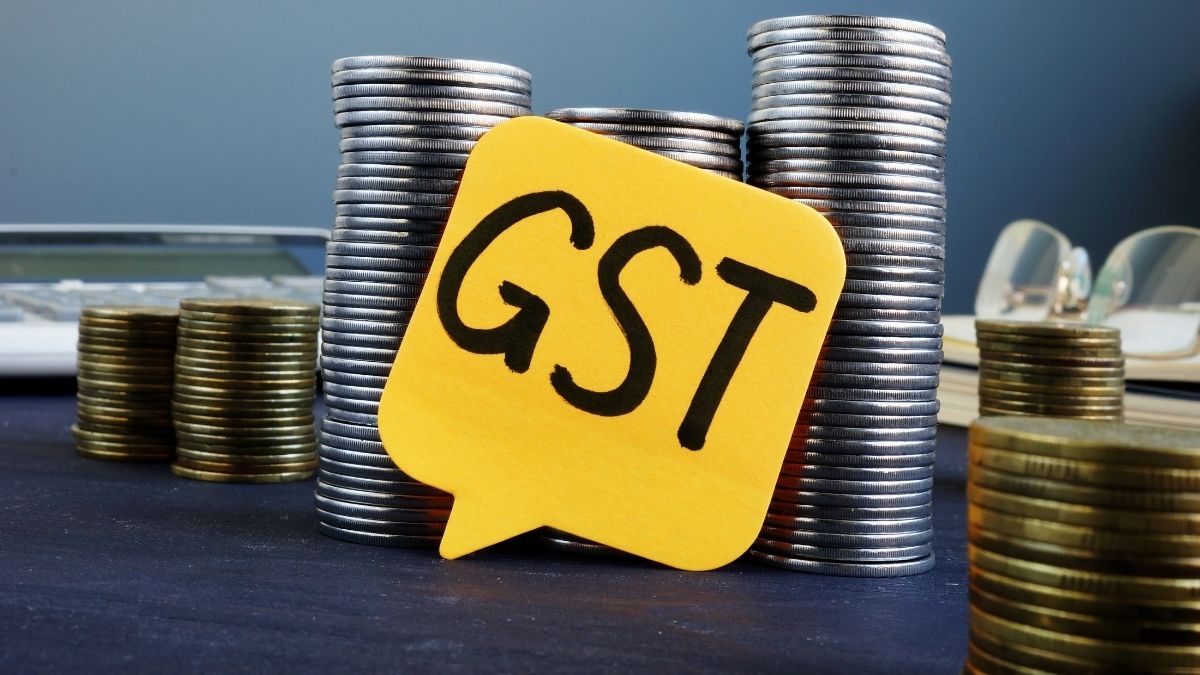
India is considering changes to how its Goods and Services Tax works.
The tax rates would stay the same, but the rules and paperwork could become simpler.
Businesses may be able to get more of their tax money back, including credits for more kinds of purchases.
Some small businesses could file returns only once a year and pay tax every three months.
Computers would use information the government already has to help process refunds and registrations faster.
Matching sales and purchase records could also prevent many filing mistakes.
The proposals would rely more on civil penalties and less on criminal prosecution.
The GST Council is expected to discuss the proposals on October 7, and changes could be introduced in stages through 2027.

The GST Council is expected to consider process and administrative reforms at its October 7 meeting, while keeping GST rates unchanged.
Proposals would widen input-tax credit and refunds, including for more services and equipment, and could provide eligible exporters and others 90% of refunds based on risk assessment.
Small businesses with annual turnover up to Rs 5 crore that sell only to unregistered consumers could opt for annual returns and quarterly tax payments.
Measures would automate registrations, refunds and some reinstatements, and use invoice matching to reduce filing mismatches and notices.
The proposals include removing arrest provisions, reducing or softening several offences, and raising the prosecution threshold from Rs 1 crore to Rs 5 crore.
- Who
- The GST Council is expected to consider the proposals, which would affect businesses and GST taxpayers.
- What
- A proposed package would simplify GST administration, expand refunds and input-tax credits, automate processes and reduce criminal penalties.
- Where
- India.
- When
- The GST Council's 57th meeting is scheduled for October 7; implementation is expected in phases through 2027 if approved.
- Why
- The proposals aim to simplify compliance, reduce burdens, improve refunds and working capital, and make enforcement more proportionate.
Reform goals
Implementation and enforcement
Simplifying compliance
Reform goals
Supporters of the proposals say automation, fewer filings for some small businesses and faster refunds could reduce administrative burdens and improve cash flow.
Implementation and enforcement
The measures are proposals for the Council to consider; changes would require approval, and some decriminalisation measures would require amendments to GST Acts.
Decriminalisation and enforcement
Reform goals
The proposals would remove arrest provisions and shift more violations toward civil consequences, with prosecution reserved for serious cases.
Implementation and enforcement
Prosecution would remain for serious cases, while invoice matching and data systems are intended to help identify fraud.
Key facts
- GST Council meeting
- The 57th meeting is expected on October 7.
- Rates
- GST rates are expected to remain unchanged; the existing structure is 5% and 18%, plus a 40% special rate for demerit and sin goods.
- Small-business option
- Businesses with annual turnover up to Rs 5 crore selling exclusively to GST-unregistered consumers could opt for one annual return and quarterly tax payments.
- Refund processing
- Acknowledgements would be issued within 10 days; eligible taxpayers could receive 90% of eligible refunds based on risk assessment.
- Prosecution threshold
- The proposed threshold would rise from Rs 1 crore to Rs 5 crore.
- Offence changes
- The proposals would drop nine offences, soften 24 and retain 11.
- Proposed rollout
- Reforms could be introduced in phases through 2027, with decriminalisation changes requiring amendments to GST Acts.
Quotes
Senior government official
A senior government official discussing the next phase of GST reforms.
“Having touched the rates and seen their stabilisation over the last 12 months, we hope that, with the system and processes now being simplified and reformed, the entire next-generation GST will see stability over the next five years or more”
 financialexpress.com
“The objective is to simplify the process, reduce the burden, and decriminalise wherever possible. The larger principle is to make compliance simpler and fairer”
financialexpress.com
Sources
Related news

October GST Council to Prioritise Process Reforms, FM Says
GST Council Weighs Sweeping Compliance Reforms for Businesses
Next-Gen GST Rates, Compliance Reforms Aim to Support Growth
GST Council Weighs Faster Refunds and Fuller Exporter Credits

GST Council to Consider Removing Arrest Powers Over Tax Offences

GST Law Committee Proposes Higher Prosecution Threshold, Shorter Jail Terms

Could a Democratic House Shield India From Trump’s Trade Policies?

Aiyar Says India Is Isolated and Foreign Policy Directionless
Modi Praises Indian Athletes as Asian Games 2026 Conclude
