

3 weeks ago
RBI Proposes Revised Credit Valuation Adjustment Framework for Banks
Banks sometimes make special deals called derivatives with each other.
There is always a small chance that the other bank cannot pay back, and this is called counterparty risk.
Credit Valuation Adjustment, or CVA, is a way banks adjust their prices to account for that risk.
The Reserve Bank of India, which is India's central bank, makes the rules for how banks handle this.
The old rules were made in 2011 and were based on older international standards.
International banking experts later updated their guidelines under the Basel III framework.
So the RBI has now proposed new draft rules to make its framework more consistent and sensitive to risk.
The new rules let banks in India choose a simpler approach called BA-CVA, and give an even easier option to banks that do very little of this trading.
The RBI wants people and banks to share their opinions on the new draft rules until August 28, 2026.

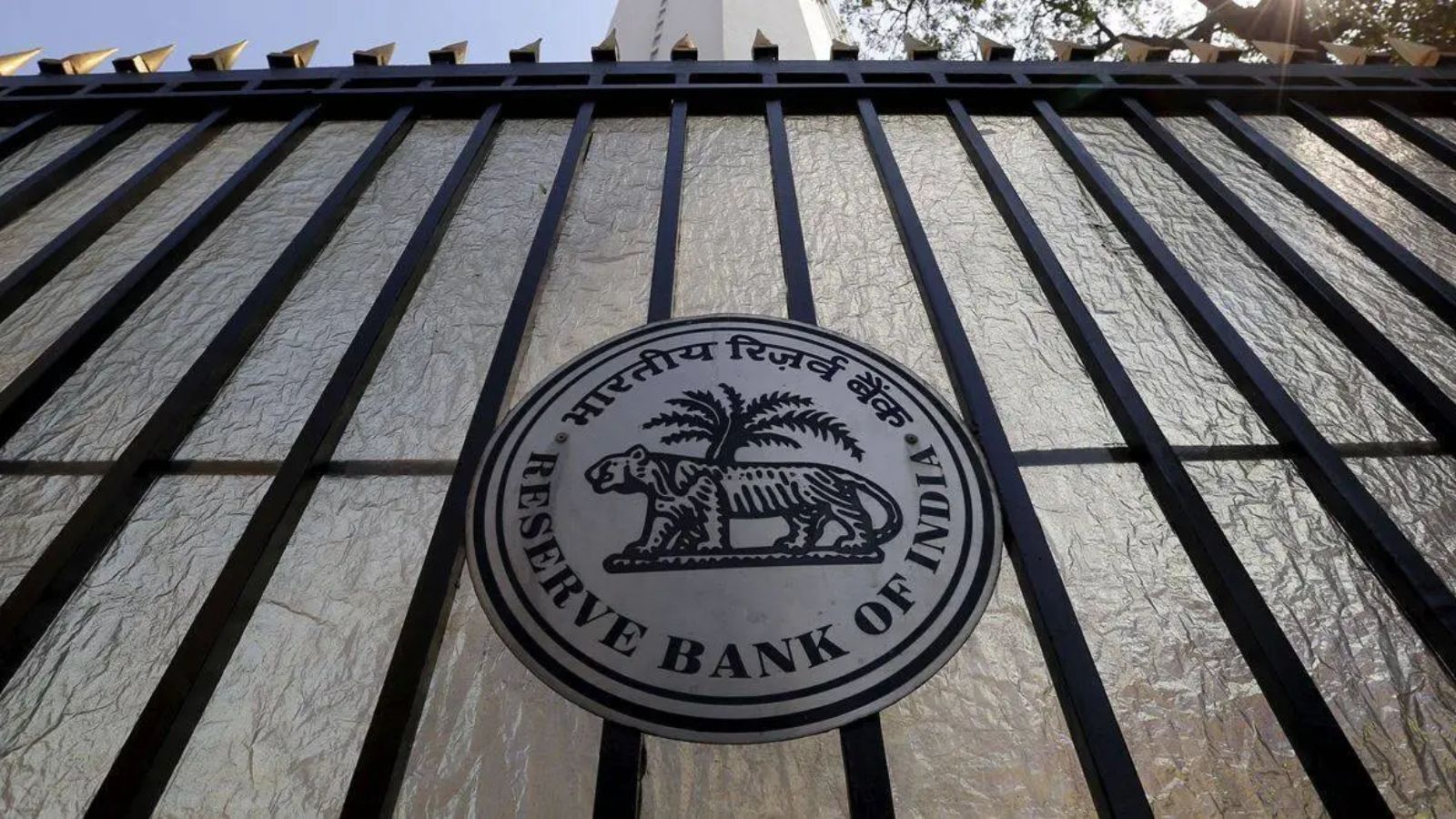
The Reserve Bank of India issued draft directions to revise the Credit Valuation Adjustment (CVA) framework for banks.
Indian banks will be permitted to adopt the Basic Approach for Credit Valuation Adjustment (BA-CVA), in either its full or reduced version.
Banks with an insignificant volume of non-centrally cleared derivatives may calculate their CVA capital charge as 100 per cent of their counterparty credit risk (CCR) capital charge.
The draft clarifies the eligibility and recognition of CVA hedges and increases the sensitivity of supervisory risk weights for counterparties by sector and credit quality.
The RBI has invited comments on the draft directions until August 28, 2026.
- Who
- Reserve Bank of India (RBI)
- What
- Issued draft directions to revise the Credit Valuation Adjustment (CVA) framework for banks
- Where
- India
- When
- Friday (draft issued)
- Why
- To enhance risk sensitivity and improve consistency in line with revised Basel III guidelines from the Basel Committee on Banking Supervision (BCBS)
Key facts
- Regulator
- Reserve Bank of India (RBI)
- Existing CVA framework issued
- 2011
- Basis of new guidelines
- Final Basel III framework of the Basel Committee on Banking Supervision (BCBS)
- New approach proposed
- Basic Approach for Credit Valuation Adjustment (BA-CVA)
- Alternative treatment threshold
- Banks with non-centrally cleared derivatives up to Rs 10 lakh crore aggregate notional amount
- Alternative CVA charge
- 100 per cent of counterparty credit risk (CCR) capital charge
- Comments deadline
- August 28, 2026
Quotes

RBI central bank
Representative of India’s central banking authority
“"Accordingly, it has been decided to issue revised instructions on the CVA framework permitting banks in India to adopt the basic approach (BA-CVA). Banks may choose to implement either the full or reduced version of BA-CVA,"”
 CNBC TV 18
Sources
Related news

RBI Model Risk Rules Face Calls for Innovation Safeguards
RBI proposes tighter leverage norms for banks, aligns with Basel
RBI Proposes New Loan Interest-Rate Framework, Tighter Floating-Rate Rules

RBI Says Revolving Credit Rules Won’t Disrupt NBFC Business

RBI regulatory reset could unlock $50 billion in capital

RBI Governor Defends Calibrated Swaps, Regulation and Policy Hold
RBI Keeps Bank Leverage Floors Steady Amid Global Easing

India must shape AI journey, not be shaped by default

Banking Rulemakers Create Crisis of Their Own
RBI Tightens Bulk Deposit Rate Transparency, Allows LCR Pricing
