

3 weeks ago
RBI proposes tighter leverage norms for banks, aligns with Basel
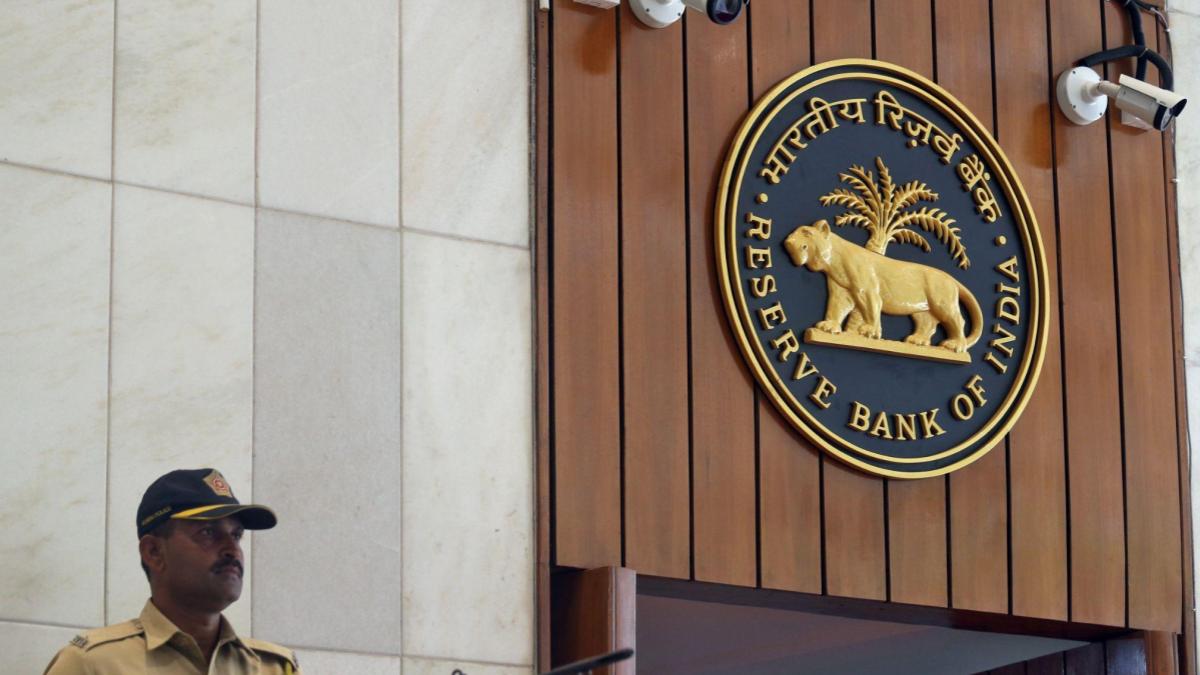
The Reserve Bank of India is the referee that makes rules for banks in India to keep them safe and fair.
It has proposed new rules about the leverage ratio, which checks whether a bank has enough of its own money compared to all the money it lends and owes.
This helps make sure a bank doesn't take too many risks with people's savings.
The new rules follow similar international rules from a group called the Basel Committee on Banking Supervision.
Most banks in India would need to keep at least 3.5% of their total exposure as their own money.
Big, very important banks would need to keep a bit more, at 4%.
Foreign bank branches that are very large might need to keep even more.
Banks that don't follow the rule might not be allowed to give money back to their shareholders.
In very rare tough times, the RBI might use special flexibility to help the economy.
The RBI wants people to send their comments about the new rules by August 28.

The Reserve Bank of India has proposed changes to its leverage ratio framework for banks, aligning it with the Basel Committee on Banking Supervision (BCBS) standards.
The minimum leverage ratio would be retained at 4% for domestic systemically important banks (D-SIBs) and 3.5% for other banks.
Branches of global systemically important banks (G-SIBs) in India would need a ratio of 3.5% plus the leverage ratio buffer applicable to their parent G-SIB.
The draft proposes restrictions on capital distributions by G-SIB branches that fail to meet their leverage ratio buffer.
The RBI has invited stakeholder comments on the draft directions by August 28.
The draft would allow temporary exclusion of banks' balances held with the RBI from the exposure measure in exceptional macroeconomic circumstances.
- Who
- The Reserve Bank of India (RBI)
- What
- Proposed amendments to the leverage ratio framework for banks to align capital adequacy rules with the Basel Committee's 'leverage ratio 2017 standard'
- Where
- India
- When
- Announced on a Friday; comments invited by August 28
- Why
- To ensure alignment with the latest leverage ratio framework issued by the Basel Committee on Banking Supervision
Key facts
- Issuing authority
- Reserve Bank of India (RBI)
- Reference standard
- Basel Committee on Banking Supervision 'leverage ratio 2017 standard'
- Leverage ratio calculation
- Tier 1 capital divided by total exposure
- Minimum ratio for D-SIBs
- 4%
- Minimum ratio for other banks
- 3.5%
- Minimum ratio for G-SIB branches in India
- 3.5% plus the leverage ratio buffer applicable to the parent G-SIB
- Comment deadline
- August 28
- Special exemption scope
- Temporary exclusion of banks' balances with RBI in exceptional macroeconomic circumstances
Quotes

Reserve Bank of India (RBI)
India’s central bank
““To ensure alignment with the latest leverage ratio framework (‘leverage ratio 2017 standard’) issued by the Basel Committee on Banking Supervision, there is a felt need to amend these Directions,””
 financialexpress.com
Sources
Related news
RBI Keeps Bank Leverage Floors Steady Amid Global Easing

RBI proposes tighter loan pricing rules for banks and lenders
RBI Proposes Revised Credit Valuation Adjustment Framework for Banks

RBI to standardize lending rate rules for transparency, consumer protection
RBI Proposes New Loan Interest-Rate Framework, Tighter Floating-Rate Rules
RBI Classifies Tata Sons, 16 Others as Upper-Layer NBFCs

RBI Proposes Foreign Exchange Position Rule Changes
