3 days ago
Naga King Chilli Boosts Rural Income in Nagaland Village
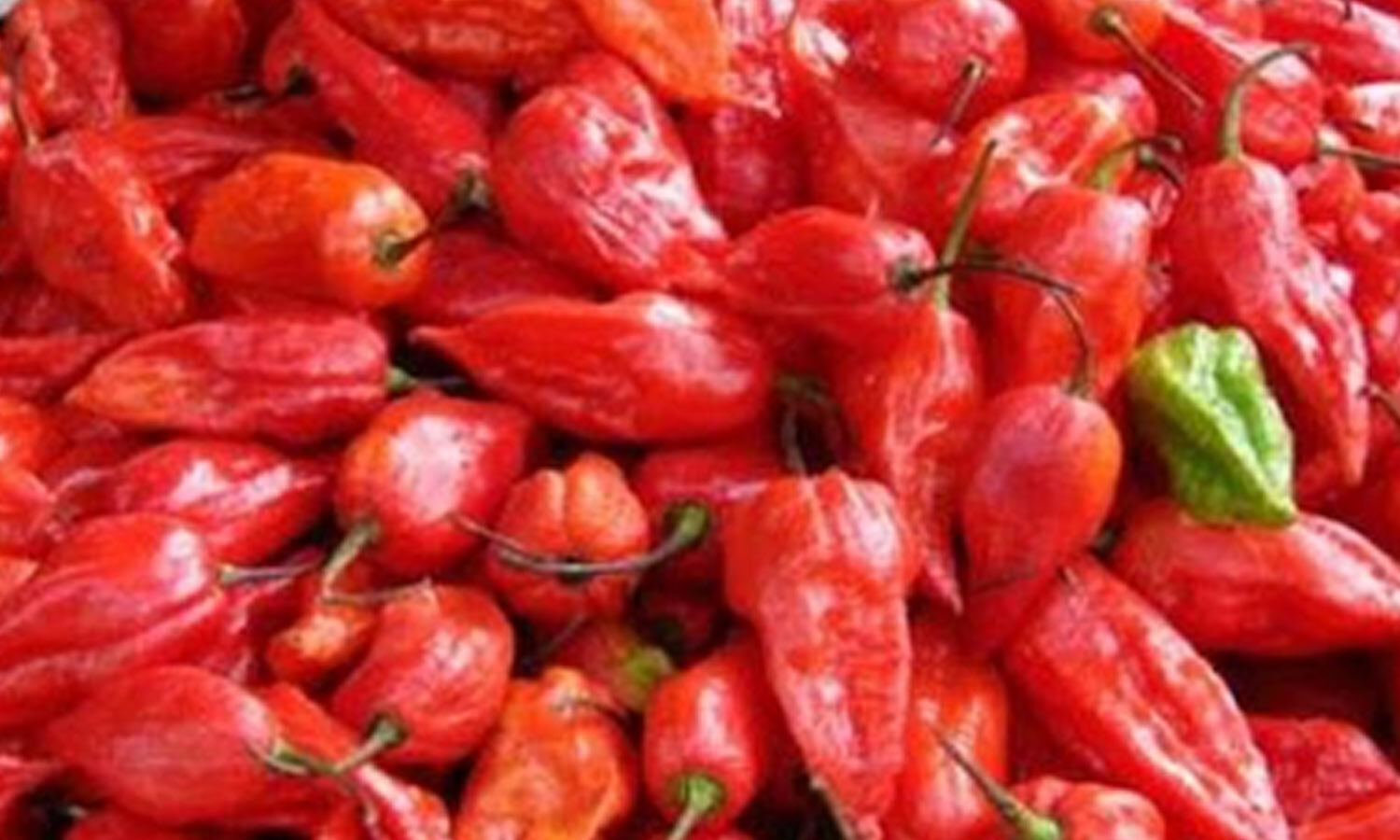
Naga King Chilli, also called Raja Mircha, is helping families in Seiyhama village earn money.
The village expects to collect about 3,200 tins of chillies this year.
Farmers have already harvested around 1,700 tins.
Selling fresh chillies could bring in about Rs 30–32 lakh.
Self-Help Groups may earn extra money by making products such as pickles.
Good weather helped farmers produce a larger harvest this year.
A festival helps more people learn about the village and its chilli.
Community leaders encouraged more villagers to grow the crop and work together.
Farmers also want better roads, transport and access to larger markets.

Seiyhama village expects to harvest around 3,200 tins of Naga King Chilli this year.
Fresh chilli sales are projected to generate approximately Rs 30–32 lakh in income.
Around 180 of Seiyhama’s 482 households currently benefit directly from cultivation.
Self-Help Group products such as pickles may provide an additional Rs 1–2 lakh.
Farmers say transportation, market access and stronger agricultural linkages remain key challenges.
- Who
- Farmers and residents of Seiyhama village, supported by community groups, government departments and other stakeholders.
- What
- Seiyhama is expanding Naga King Chilli cultivation as a source of rural income and promoting it through an annual festival.
- Where
- Seiyhama village in Nagaland, with references to Kohima.
- When
- The 4th Organic Naga King Chilli Festival was held on Saturday; the 2026 harvest is projected at around 3,200 tins.
- Why
- The festival and cultivation initiative aim to promote Seiyhama’s indigenous chilli, increase farmer income and expand market opportunities.
Key facts
- Projected annual harvest
- Around 3,200 tins of Naga King Chilli
- Harvest completed
- Approximately 1,700 tins
- Expected fresh-chilli income
- Around Rs 30–32 lakh
- Directly benefiting households
- Around 180 of Seiyhama’s 482 households
- Additional value-added income
- Approximately Rs 1–2 lakh from products such as pickles
- Festival history
- The initiative began in 2022 and reached its 4th festival
- Main challenges
- Transportation, market access and stronger agricultural linkages
Sources
Related news
Viral Disease Devastates Chilli Crops, Farmers Clear Fields in Barwani

CM Sai: Chhattisgarh committed to farmers' welfare at Hareli festival
Nilgiris Garlic Farmers Seek Lower Mettupalayam Mandi Commission

Mizoram to Expand Ginger Farming After ‘Ginger Capital’ Recognition

District Collector Rahul Sharma urges farmers to grow vetiver

Dindori MP Bhaskarrao Bhagre submits development demands to PM Modi

Northeast Weaves Take Center Stage at Delhi Fashion Week
Nepal and Upper Assam Disasters Expose Climate Risks

GST Collection Rises Nearly 15% To About Rs 2 Lakh
Nagaland Assembly Tables Revised Frontier Territorial Authority Bill

Delhi Fashion Week Showcases Khadi and Northeast India’s Heritage