

3 weeks ago
Strait of Hormuz Stays Locked; Iran Refuses US Talks

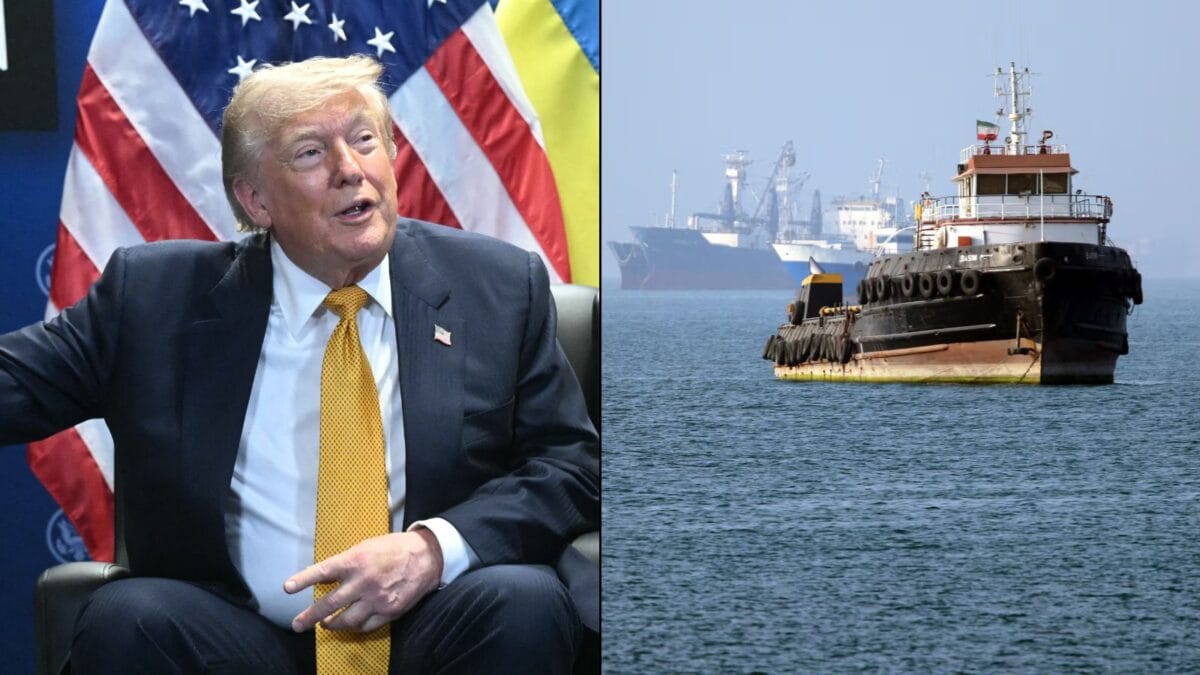
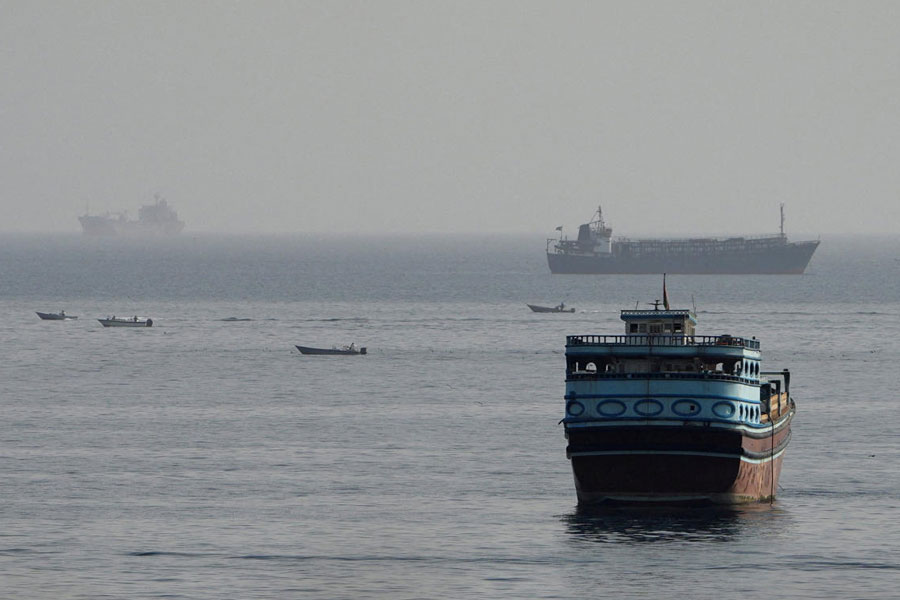
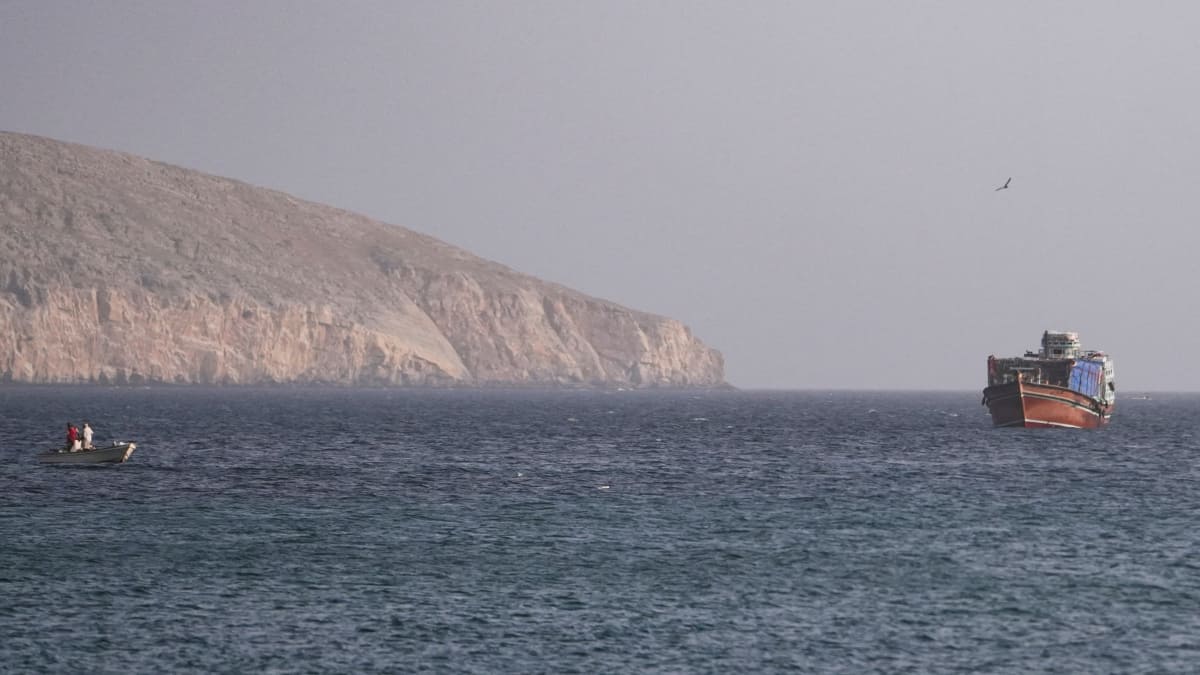
The Strait of Hormuz is a narrow waterway that many ships use to carry oil around the world.
For more than six months, Iran has kept the strait closed, stopping most ships from passing through.
The United States attacked Iran and now wants the waterway to open again, but it has run out of easy options.
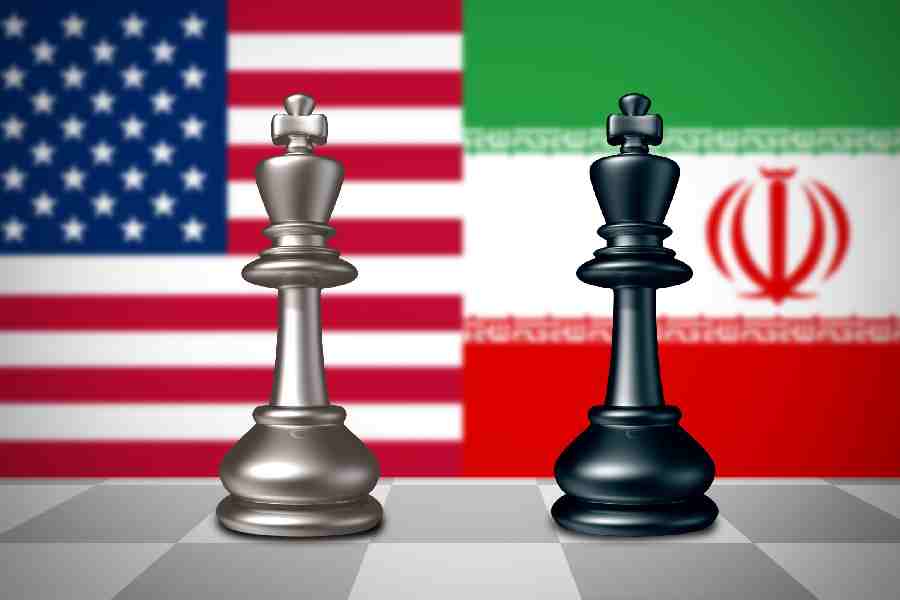
Iran says it will not talk until the US fixes its side of a June 14 agreement.
Iran's foreign minister said there is no chance of new talks while America keeps violating that agreement.
Iran is also making a deal with Oman, which owns part of the strait, so it can keep control of the passage.
The closed strait is hurting countries that depend on selling oil, like Qatar and Abu Dhabi.
Some oil tankers have been attacked, and Yemen's Houthi rebels have announced a blockade of Saudi ports.
Iran wants the US to pay for damage the war caused.
The US is under pressure to end a war it started, with few options left.

The Strait of Hormuz has remained blocked for more than six months, with traffic halted since the war began.
Iranian Foreign Minister Abbas Araghchi says negotiations cannot resume until the US makes amends for violating the June 14 memorandum of understanding.
Iran is finalising talks with Oman to consolidate its hold on the Strait, insisting any agreement does not mean opening it.
The blockade has hurt oil-dependent states, with three Abu Dhabi tankers attacked in the last week, Saudi Aramco hit by Yemeni drones, and Houthi rebels blocking Saudi ports.
US Vice President JD Vance argued Iran would benefit from US influence, but Iran cited Syria and Afghanistan as countries that did not benefit.
- Who
- US President Donald Trump, Vice President JD Vance, and Iranian Foreign Minister Abbas Araghchi, with mediators including Qatar and Pakistan.
- What
- Iran has kept the Strait of Hormuz blocked for over six months and refuses to resume negotiations until the US makes amends for violating the June 14 memorandum of understanding.
- Where
- The Strait of Hormuz, with tensions also flaring in the Red Sea and attacks on Saudi ports.
- When
- Blocked for over six months, continuing since the war between the US and Iran began.
- Why
- The US attack on Iran led to a war that has become a fight to control Hormuz, and Iran is demanding compensation and US concessions.
US Position
Iranian Position
Negotiations and Nuclear Programme
US Position
The US wants the Strait reopened and detailed discussion on Iran's nuclear programme, with the enriched uranium left underground in Iran.
Iranian Position
Iran refuses to resume talks until the US makes amends for violating the June 14 memorandum and will not give up its enriched uranium.
Control of the Strait
US Position
The US wants free traffic through the Strait of Hormuz to resume for oil shipments.
Iranian Position
Iran is finalising a deal with Oman to consolidate its hold and says any agreement is meant to carve out the passage, not open it.
US Influence in the Region
US Position
Vice President JD Vance suggests Iran will benefit greatly if it agrees to US influence in the area.
Iranian Position
Iran counters that countries like Syria and Afghanistan did not benefit at all by coming under US influence.
Key facts
- Strait status
- Blocked for over six months with traffic halted since the war began
- Key US officials
- President Donald Trump and Vice President JD Vance
- Key Iranian official
- Foreign Minister Abbas Araghchi
- Iran's condition for talks
- US must make amends for violating the June 14 memorandum of understanding
- Mediators
- Qatar and Pakistan
- Recent attacks
- Three Abu Dhabi tankers attacked in the past week; Saudi Aramco hit by Yemeni drones
- Iran's demands
- Compensation for damage; refusal to give up enriched uranium
- Oman talks
- Iran finalising an agreement with Oman, which owns parts of the Strait, to consolidate its hold
Quotes

Abbas Araghchi
Iranian Foreign Minister
“"As long as the American violation of the memorandum of understanding of June 14 continues and the US does not make amends for its violations, there is no possibility of resuming negotiations"”
 freepressjournal.in
“"low-keying" the issue”
freepressjournal.in
Sources
Related news
Iran Issues Sweeping Demands for Strait of Hormuz Reopening

Hormuz traffic nears standstill as US vows indefinite Iran blockade
Trump: Iran Hormuz deal could come within days
Hormuz Strait stays shut until U.S. meets Iran deal conditions
Strait of Hormuz stays closed until U.S. accepts Iran conditions

Trump Rules Out Iran Talks as Hormuz Standoff Widens
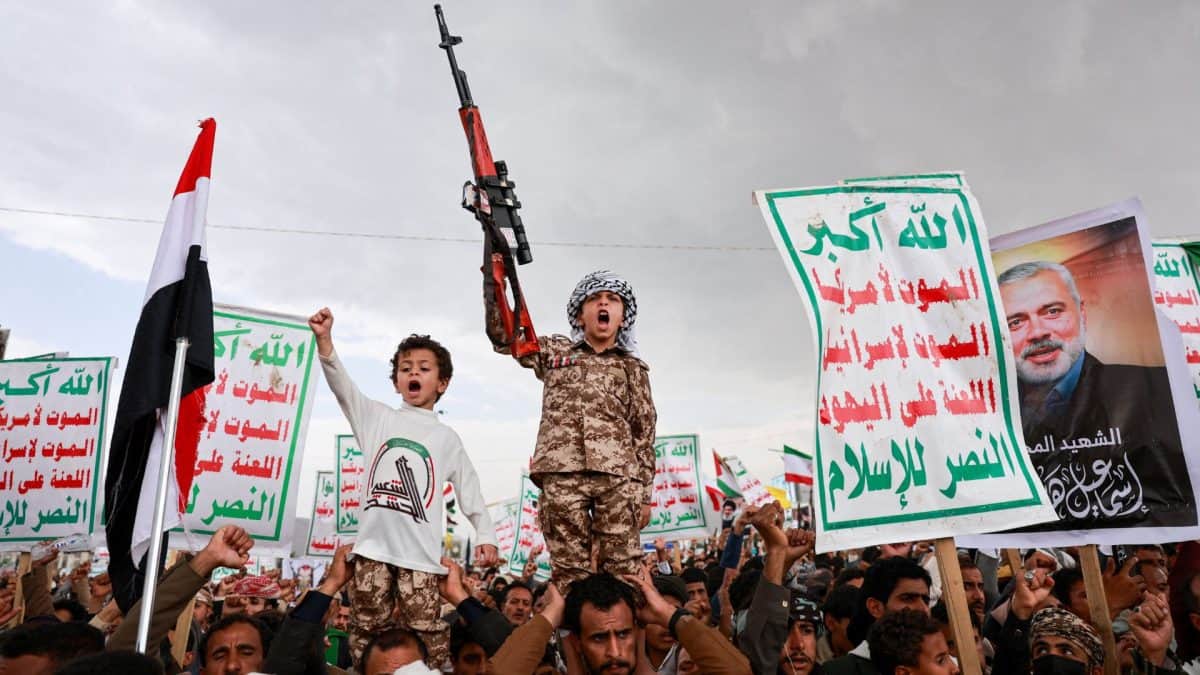
Iran’s Proxy Network Weakens, But Its Wars Persist

Welspun Corp, Perma-Pipe Plan Jordan Pipe Manufacturing JV

WhatsApp Group Exposed Vast Hawala Network Tied to Crime

India Seek First Win Over Syria in U20 Qualifiers
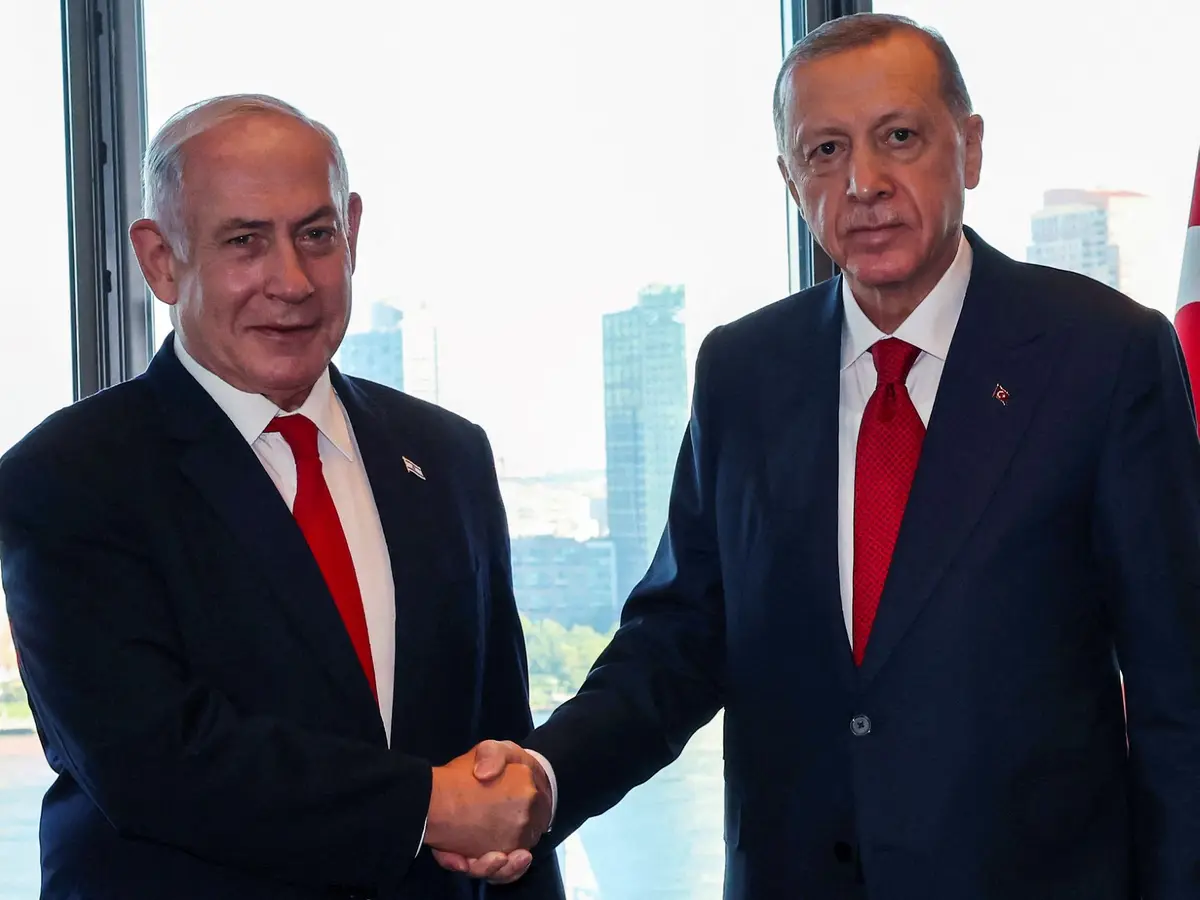
Turkey-Israel Rivalry Deepens Over Syria and Regional Influence
